
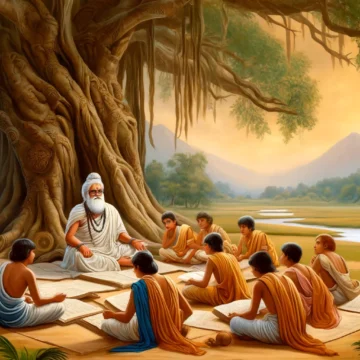
The Gurukul Education System, deeply rooted in Hindu culture, has profoundly shaped the intellectual and spiritual landscape of India from the Vedic period to the present day. Gurukuls, traditional residential schools, offered more than just academic knowledge; they were centers of holistic learning where students received physical training, moral discipline, and spiritual enlightenment under the close guidance of a Guru. This system promoted an egalitarian approach to education, where learning was accessible to all based on merit rather than social standing, exemplified by the legendary camaraderie and schooling of Lord Krishna and Sudama. The curriculum was comprehensive, incorporating Vedic studies, mathematics, astronomy, philosophy, and the arts, ensuring a well-rounded development of students. Despite the shifts brought about by colonial influences, the legacy of Gurukul education continues to resonate in modern educational practices, emphasizing the importance of holistic development and moral values.
Author: Sarvananda (Sarvananda )
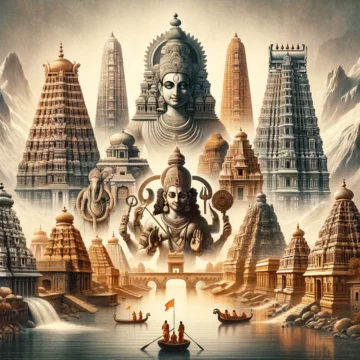
Top Five Ram Temples: Exploring Sacred Abodes of Lord Rama
Explore the awe-inspiring temples dedicated to Lord Rama, each a blend of divine presence, architectural beauty, and deep cultural roots. From the historic Ram Janmabhoomi in Ayodhya to the picturesque Bhadrachalam on the banks of the Godavari, these temples are not just centers of worship but vibrant hubs of community and tradition. Discover the profound impact of these sacred sites on their devotees and the wider Hindu culture as we traverse the landscapes from Ayodhya to Nashik, revealing stories, traditions, and architectural marvels.
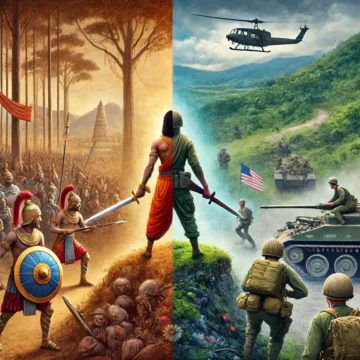
Dharma and Ethics: Scrutinizing Warfare Through Ancient Wisdom
Hinduism, one of the world's oldest religions, deeply integrates the concept of Dharma, a comprehensive principle governing duties, morality, and ethical conduct. Dharma guides individuals through societal roles, stages of life, and the intrinsic nature (svabhava) and fundamental characteristics (varna) of all beings. This principle profoundly influences Hindu philosophy, rituals, and cultural norms, shaping a holistic way of life.
Dharma and Ethics: Scrutinizing Warfare Through Ancient Wisdom
Exploring the application of Dharma in warfare, this essay delves into the ancient Mahabharata and modern conflicts like Vietnam's 'Hamburger Hill'. It examines how Dharma guides ethical decision-making in warfare, emphasizing the balance between moral imperatives and military objectives, and the pursuit of righteousness over strategic gains.
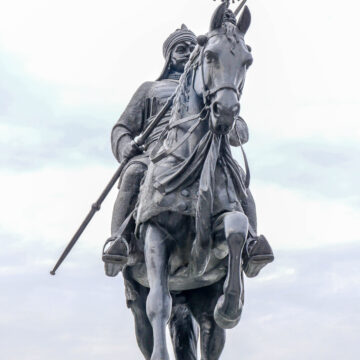
Maharana Pratap: History Unveiled
Explore the life of Maharana Pratap, a symbol of Rajput valor and resistance against Mughal dominance. Born on May 9, 1540, in Kumbhalgarh, Rajasthan, Pratap's legacy as the fierce protector of Mewar resonates through Indian history. His unwavering commitment to the sovereignty of Mewar is celebrated in numerous memorials, and his tactics in guerrilla warfare are studied for their brilliance. His legendary battle at Haldighati in 1576 against the Mughals marked a significant point in his reign, showcasing his strategic prowess and enduring spirit. This essay delves deep into his battles, governance, and the indelible mark he left on Rajputana and beyond
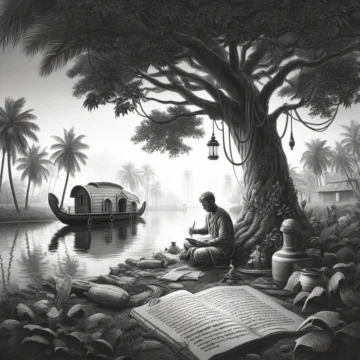
Malayalam Poets and Vyloppilli Sreedhara Menon
Vyloppilli Sreedhara Menon's poetry captures the essence of Kerala's cultural and natural landscapes. His works like "Mampazham" and "Kaipavallari" not only reflect the social issues of his time but also resonate deeply with the emotions and experiences of the common man. Through his mastery in blending classical Malayalam poetic forms with modernist themes, Menon created a unique voice that remains influential in Malayalam literature today. His contributions highlight a delicate balance of tradition and modernity, making his literary achievements a cornerstone of Malayalam poetry.
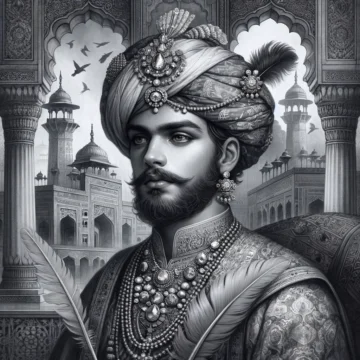
Mughal Empire History and Jahandar Shah
Jahandar Shah's brief tenure as emperor from 1712 to 1713 marked a crucial phase in the Mughal Empire's history, highlighting the challenges of governance and stability within a fracturing dynasty. As the eldest son of Bahadur Shah I, his rise to power was paved with a bloody succession war, underscoring the empire's internal strife. His reign, though short, was significant, characterized by his reliance on the influential noble Zulfiqar Khan, whose policies aimed to stabilize the empire's finances but ultimately failed to halt its decline. This period illustrates the complexities of leadership and the pivotal role it plays in the sustenance or deterioration of a great empire. Jahandar Shah's story is a testament to the volatile dynamics of Mughal politics and a reminder of how quickly fortunes can turn in the corridors of power.
Indian Freedom Fighters: Legacy of Gopal Krishna Gokhale
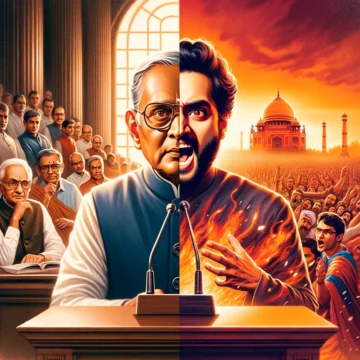
As one of the prominent Indian freedom fighters, Gopal Krishna Gokhale played a pivotal role in the early years of India's struggle against British colonial rule. Born on May 9, 1866, in Ratnagiri, Maharashtra, Gokhale's contributions as a senior leader of the Indian National Congress and a distinguished social reformer were significant. His diplomatic skills and steadfast principles led him to the presidency of the Congress in 1905, advocating for self-rule through gradual and constitutional reforms. Gokhale’s commitment to moderate nationalism and his focus on elevating the Indian elite's status underscored his strategic approach to engaging with colonial authorities through dialogue and legislative advocacy. His founding of the Servants of India Society aimed to prepare the nation for self-governance by educating and reforming society from within, further cementing his legacy as a reformer. The juxtaposition of Gokhale’s philosophies with those of Bal Gangadhar Tilak offers profound insight into the diverse strategies that shaped the struggle of Indian freedom fighters, highlighting the complex interplay between moderate reform and radical activism in their quest for self-rule.
This Week in History: Moments from 19th Week of Year
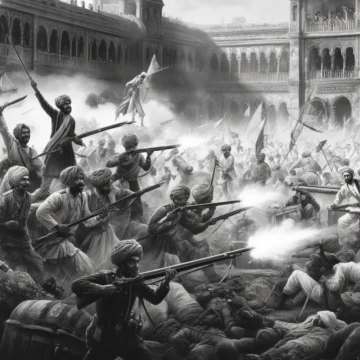
This Week in History unfolds the tapestry of significant events that have not only shaped India but also the world, illuminating their impact on contemporary society. The Mutiny of 1857, often hailed as the First War of Indian Independence, marked a turning point in India's colonial history, sparking a series of changes in British governance and sowing the seeds for future independence movements. Similarly, the world witnessed pivotal cultural shifts, such as the release of The Beatles' documentary 'Let It Be,' capturing the final notes of their cooperation before their breakup. These historical events, from uprisings to cultural revolutions, are not merely past occurrences but active dialogues that continue to influence today’s societal values and global perspectives.
Indian Independence and Mutiny in India 1857
The mutiny in India in 1857, recognized as the First War of Indian Independence, marked a significant point in history. This upheaval began in Meerut, fueled by the British imposition of the Enfield P-53 rifle cartridges, rumored to be greased with cow and pig fat, offending both Hindu and Muslim soldiers. The rebellion quickly escalated when 85 sepoys, punished for their refusal to use these cartridges, sparked widespread mutiny. Liberating their comrades and killing their British officers, they advanced towards Delhi, declaring the Mughal emperor as their leader and catalyzing other regions to join the resistance. This event not only challenged colonial rule but also united diverse sections of Indian society in a fight for sovereignty, laying foundational principles for future struggles for freedom.