
This blog examines the RSS Scale and Ecosystem, exploring its nationwide network of shakhas, educational institutions, social organizations, publications, and leadership development. It presents how the RSS builds character through voluntary participation, discipline, service, and cultural education while comparing its organizational scale and long-term societal influence with leading global institutions.


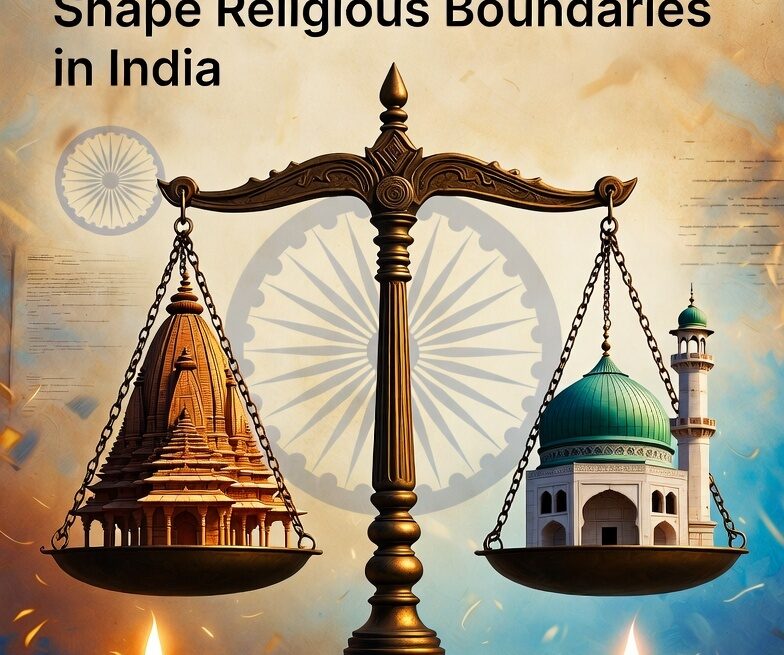
Institutional Religious Asymmetry — How Law and Administration Shape Religious Boundaries in India
This blog examines India's legal and institutional Religious framework governing religious conversion, Waqf administration, Hindu religious endowments, religious exclusivity, and demographic trends. Using constitutional provisions, court judgments, statutory law, and demographic evidence, it compares institutional structures and legal principles while encouraging readers to distinguish documented facts from broader public narratives.
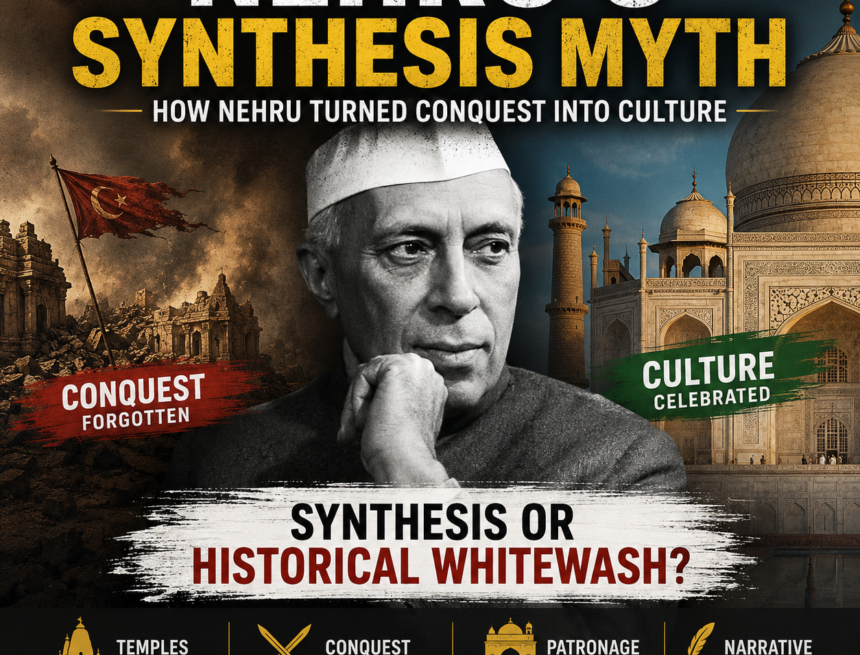
Nehru’s Synthesis Myth: How Nehru Turned Conquest Into Culture
This blog examines Nehru's Synthesis Myth, arguing that Jawaharlal Nehru presented centuries of conquest as cultural synthesis while downplaying unequal political power. It explores court patronage, Indo-Islamic civilization, the Partition context, and how cultural achievements were used to shape a historical narrative that continued influencing Indian historiography after independence.
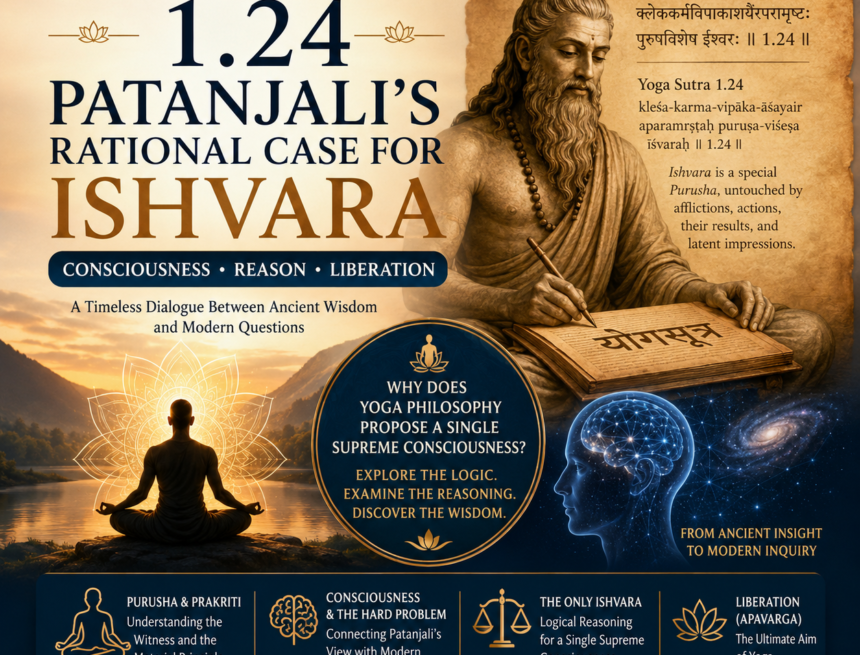
Yoga Ishvara Rational Case: When Ancient Logic Anticipates Modern Atheist Objections (Yoga Sutra 1.24-III)
This article examines Patanjali's Rational Case for Ishvara through Yoga Sutra 1.24, explaining the concepts of Purusha, Prakriti, consciousness, liberation, and the Hard Problem of Consciousness. It explores how Classical Yoga presents a logical understanding of Ishvara and encourages readers to evaluate its philosophical reasoning through thoughtful inquiry.

इस्लामी अंतरराष्ट्रीय अधिरोहण: संयुक्त राष्ट्र और वैश्विक संस्थानों पर इस्लामी प्रभाव
इस्लामी अंतरराष्ट्रीय अधिरोहण इस प्रश्न की पड़ताल करता है कि क्या वैश्विक संस्थान, मानवाधिकार निकाय, अंतरराष्ट्रीय न्यायालय और बहुपक्षीय संगठन सार्वभौमिक सिद्धांतों से हटकर विशिष्ट धार्मिक दावों के प्रति अधिक संवेदनशील होते जा रहे हैं। लेख संयुक्त राष्ट्र, OIC, ICJ, ICC और यूरोपीय मानवाधिकार न्यायालय से जुड़े उदाहरणों के माध्यम से इस बहस का विश्लेषण प्रस्तुत करता है।

इस्लामी प्राधिकार द्वारा अकादमिक नियंत्रण: विश्वविद्यालय कैसे बनते हैं वैचारिक समर्थन के केंद्र
यह लेख इस्लामी प्राधिकार विरोधाभास श्रृंखला के अंतर्गत विश्वविद्यालयों, शोध संस्थानों और शैक्षणिक संरचनाओं पर कथित वैचारिक प्रभाव की समीक्षा करता है। इसमें पाठ्यक्रम नियंत्रण, शोध प्रकाशन, विशेषज्ञ निर्माण, आत्म-सेंसरशिप, वित्तपोषण, संस्थागत समायोजन और अंतरराष्ट्रीय समन्वय जैसे विषयों का विश्लेषण करते हुए अकादमिक स्वतंत्रता और वैचारिक प्रभाव के बीच संबंधों की पड़ताल की गई है।
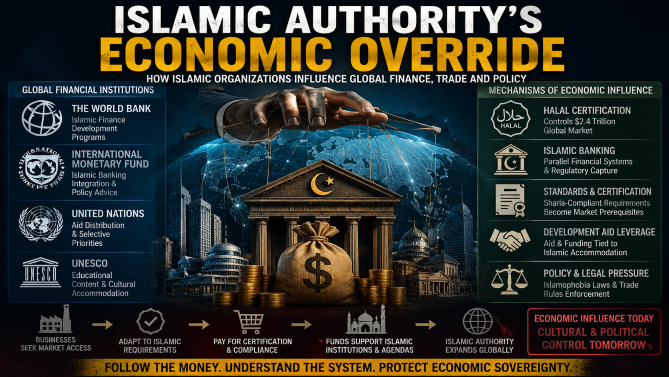
आर्थिक अधिलेखन इस्लामीकरण: वित्तीय और व्यापारिक अधीनता
यह लेख आर्थिक अधिलेखन का इस्लामीकरण की अवधारणा का विश्लेषण करता है। इसमें हलाल प्रमाणन, इस्लामी बैंकिंग, अंतरराष्ट्रीय वित्तीय संस्थाओं, विकास सहायता, शरणार्थी वित्तपोषण तथा वैश्विक व्यापारिक व्यवस्थाओं के संदर्भ में उन तर्कों की समीक्षा की गई है जो आर्थिक संस्थाओं में बढ़ते इस्लामी प्रभाव और उसके संभावित परिणामों पर प्रश्न उठाते हैं।

इस्लामी प्राधिकरण का मीडिया मैट्रिक्स – सूचना नियंत्रण और आख्यान प्रभुत्व
यह ब्लॉग “इस्लामी प्राधिकरण का मीडिया मैट्रिक्स” की अवधारणा का विश्लेषण करता है और यह जांचता है कि मीडिया संस्थान, सामाजिक मीडिया मंच, शैक्षणिक तंत्र तथा अंतरराष्ट्रीय संगठन किस प्रकार सूचना प्रवाह, सार्वजनिक विमर्श और धार्मिक आलोचना से जुड़े विषयों को प्रभावित करते हुए दिखाई देते हैं। ब्लॉग चार्ली हेब्दो, कोलोन घटनाक्रम और नूपुर शर्मा प्रकरण जैसे उदाहरणों के माध्यम से सूचना नियंत्रण, आत्म-सेंसरशिप और आख्यान संघर्ष की चर्चा करता है।

Scripting the Yoga Sutras: The Ultimate Master Index & Meta Directory: The Ultimate Master Index & Meta Directory (0)
Scripting the Yoga Sutras: The Ultimate Master Index & Meta Directory (0) भारत / GB As a deep dive into Sage Patanjali’s Yoga Sutras unfolds, tracking the philosophical trajectory of each aphorism becomes essential. Writing about the mind’s modifications, the mechanics of detachment, and the various depths of Samadhi generates a vast ecosystem of content. To prevent these insights from...
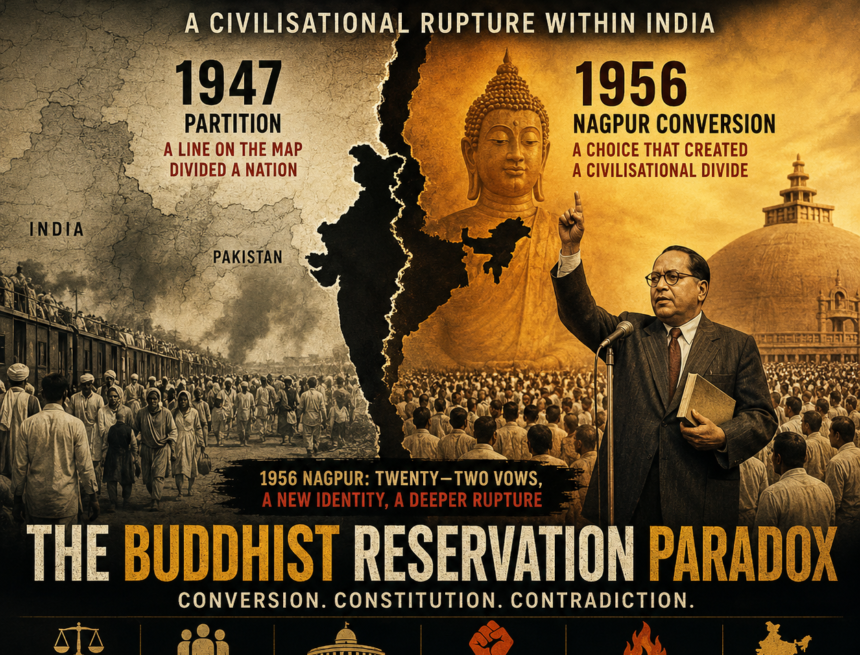
The Second Partition: Why the Buddhist Reservation Paradox Series (0)
This prologue introduces the Buddhist Reservation Paradox series by examining the 1956 Nagpur conversion led by Dr. B.R. Ambedkar as a civilisational rupture within India. It argues that a constitutional contradiction emerged when conversion, reservations, and anti-Hindu political mobilisation intersected, creating long-term social, constitutional, and cultural consequences that continue to shape contemporary debates.

The RSS Centenary Vision
This blog explains the RSS Centenary Vision through the lens of civilizational manufacturing rather than conventional institutional growth. It explores the role of the Shakha, Dharma, Sarve Bhavantu Sukhinah, and Panch Parivartan in shaping disciplined individuals, cohesive communities, and a value-driven society capable of contributing to national renewal and global harmony.
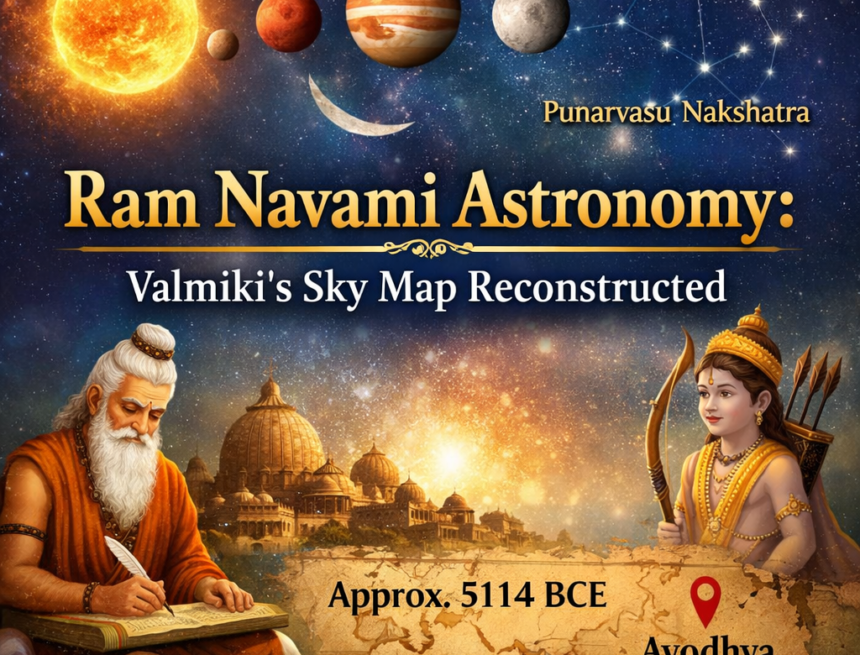
Ram Navami Astronomy: Valmiki’s Sky Map Decoded
Ram Navami Astronomy connects Valmiki Ramayana’s precise planetary description of Rama’s birth with modern reconstruction and the Panchanga system. It shows how internal observation, recorded celestial patterns, and living calendar traditions form a continuous framework linking individual awareness, cultural practice, and cosmic order within Sanatana Dharma.
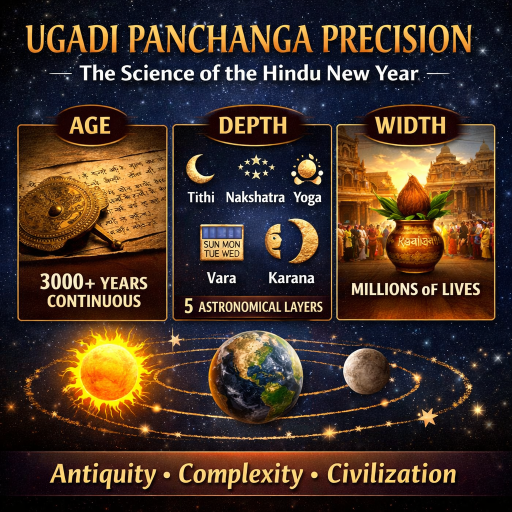
Ugadi Panchanga Precision: Hindu New Year Scientific Facts
Ugadi Panchanga Precision: Hindu New Year Scientific Facts भारत / GB / US Celebration Series Ugadi Panchanga Precision: The Astronomical New Year Ugadi Panchanga Precision is not a phrase of cultural pride — it is a statement of astronomical fact. Today, Chaitra Shukla Pratipada, the first tithi of the bright fortnight of Chaitra, marks the beginning of Shaka Samvat 1948....
Blogs List On Mahatma Gandhi On HinduinfoPedia
https://hinduinfopedia.org/wp-content/uploads/2026/03/Gandhi-Blogs-List-V1.csv Title Web address Martyrs of Indian Independence And Gandhi’s Influence https://hinduinfopedia.in/martyrs-of-indian-independence-and-gandhis-influence/ Martyrs of Indian Independence And Gandhi’s Influence https://hinduinfopedia.in/martyrs-of-indian-independence-and-gandhis-influence/ Rowlatt Act And Gandhi https://hinduinfopedia.in/rowlatt-act-and-gandhi/ Gandhi?s Post-Independence Actions and Legacy https://hinduinfopedia.in/gandhis-post-independence-actions-and-legacy/ Gandhi?s Personal Ideologies and Methodologies https://hinduinfopedia.in/gandhis-personal-ideologies-and-methodologies/ Communal Relations In Indian History: Gandhi’s Legacy https://hinduinfopedia.in/communal-relations-in-indian-history-gandhis-legacy/ Ideological Divides and Gandhi’s Leadership https://hinduinfopedia.in/ideological-divides-and-gandhis-leadership/ Gandhi?s Post-Independence Actions and Legacy https://hinduinfopedia.in/gandhis-post-independence-actions-and-legacy/ Gandhi Revisited: A...
All blogs list
https://hinduinfopedia.org/wp-content/uploads/2026/03/All-Blogs-All-Info-Vi.csv https://hinduinfopedia.org/wp-content/uploads/2026/03/Blogs-list-csv.csv https://hinduinfopedia.org/wp-content/uploads/2026/03/dotcom-sites-summary.csv Website Title Web address Post Date Series description/ title Alternative theme names/ Titles (two) Keywords/ Phrases separated by commas (30) Core Argument/Thesis Dotcom Two-State Delusion Exposed https://hinduinfopedia.com/two-state-delusion-exposed-netanyahus-99-9-vote-that-shattered-international-consensus/ 22-02-2024 Geopolitics 1. Shattered Consensus; 2. The 99-9 Vote Two-state, Delusion, Netanyahu, Vote, Geopolitics, Impact, Policy, National security, Strategy, International relations, Diplomacy, World order, Security threat, Middle East, Sovereignty,...
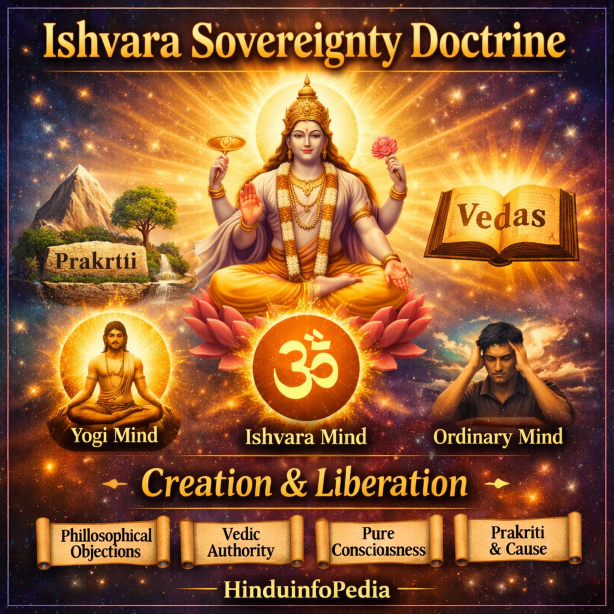
ईश्वर प्रभुत्व सिद्धान्त: पतंजलि योग सूत्र 1.24-II
यह लेख योगसूत्र एक बिंदु चौबीस के आधार पर ईश्वर सार्वभौमिकता सिद्धान्त का दार्शनिक विश्लेषण प्रस्तुत करता है। पातञ्जल योग प्रदीप की टीका के अनुसार चार प्रमुख आपत्तियों का परीक्षण किया गया है, जिसमें बीज–अंकुर उदाहरण, तीन प्रकार के चित्त का तुलनात्मक विवेचन और प्रकृति के साथ चेतन निर्देशक की आवश्यकता स्पष्ट की गई है।
Ishvara Sovereignty Doctrine: The Philosophical Defense of Supreme Consciousness (Yoga Sutra 1.24)-II
This analysis of Yoga Sutra one point twenty four explains the Ishvara Sovereignty Doctrine through the commentary of Patanjal Yog Pradip by Swami Omanand. It examines four philosophical objections, clarifies the distinction between ordinary, yogic, and Ishvara’s mind, and explains why conscious direction is necessary alongside prakriti to understand creation and liberation.

Protection Verses From Rigveda: Indra’s Battle Invocation and the Sage-Forged Weapon RV 1.81, 1.84
Protection Verses from the Rigveda explore hymns from Mandala one that portray Indra as the guardian of order and the destroyer of obstruction. Through verses describing battles great and small, wealth restoration, and the sage Dadhyach’s sacrifice, the hymns present a vision of divine strength, knowledge, and courage working together to defend civilization.
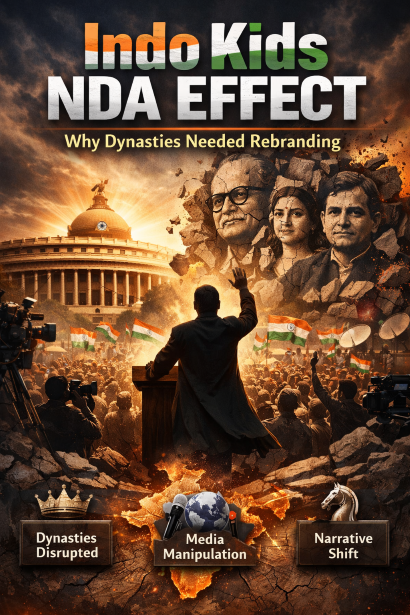
Indo Kids NDA Effect: Why Dynasties Needed Rebranding
The Indo Kids NDA effect explains how India’s two thousand fourteen and two thousand nineteen elections disrupted dynastic dominance and forced political heirs to recalibrate strategy. From Uttar Pradesh to Rajasthan, electoral outcomes reshaped campaign styles, media engagement, and leadership narratives, marking a structural transformation in India’s competitive democratic framework.

Aurangzeb in Nehru’s Praise: Political Necessity and 70-Year Whitewash
This analysis examines how Aurangzeb in Nehru's Praise emerged not as accidental interpretation but as political necessity during 1944–46. By humanizing systematic persecution through virtue-first framing and euphemistic language, Nehruvian historiography reshaped textbook narratives, public memory, and debates on Islamic rule, leaving a seventy-year imprint on India’s historical consciousness.