
Author: Sarvananda (Sarvananda )

Afghanistan, geopolitics, Taliban, Pakistan, regional security, Central Asia, Iran, international relations, South Asia, border conflicts
Post

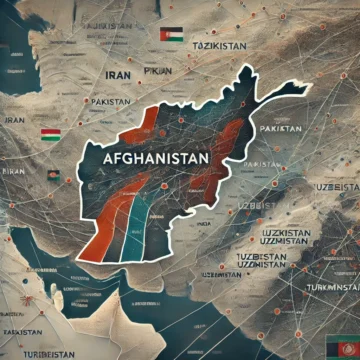
Afghanistan and Taliban K

The resurgence of the Taliban in Afghanistan following the U.S. withdrawal in 2021 has far-reaching consequences for regional security and global geopolitics. Iran, India, Pakistan, and Central Asian states are grappling with heightened threats of extremism, terrorism, and instability. The Taliban’s governance poses severe challenges, and its impact reverberates across the entire South Asian region.
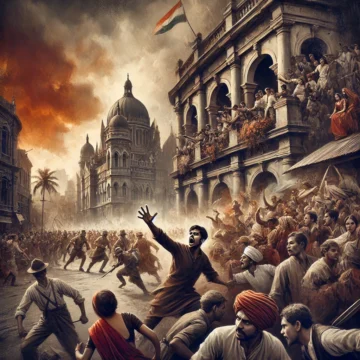
Direct Action Day, Calcutta 1946, historical event, communal riots, Partition of India, British India, unrest, political demonstration
Post

Direct Action Day 1946 and Partition of India

Direct Action Day on August 16, 1946, profoundly reshaped the trajectory of India's independence, leading to Partition. The events, intended as peaceful, were marked by orchestrated violence against Hindus, exposing deep religious divides. This pivotal day set the course for creating Pakistan, igniting lasting impacts on regional and global stability.

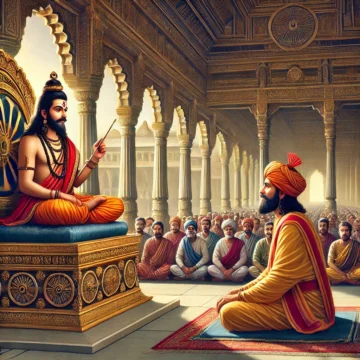
Hindu saint, royal palace, sermon, traditional Indian setting, cultural heritage, spiritual teaching, king listening, ornate architecture, Indian decor, respectful audience, Dattatreya and His Gurus
Post

Dattatreya and His Gurus- Water and Fire

Explore the profound spiritual teachings of Bhagwan Dattatreya as he reveals the wisdom of his 24 gurus through the elements of Water and Fire. These teachings offer a path to personal transformation and enlightenment, emphasizing the virtues of purity, resilience, and the dynamic interplay of renewal and purification in our lives.

courtroom, high-profile case, judge, lawyers, legal proceedings, public gallery, media, justice, judiciary, legal system, courtroom drama, Manish Sisodia
Post

Manish Sisodia: Analyzing grant of Bail in Delhi Excise Policy case

The potential granting of bail to Manish Sisodia in the Delhi Excise Policy case could set significant legal and political precedents. This blog explores the implications of the decision, critiques the judiciary's handling of high-profile cases, and discusses the broader challenges faced by the legal system in maintaining justice and public trust in politically charged environments.

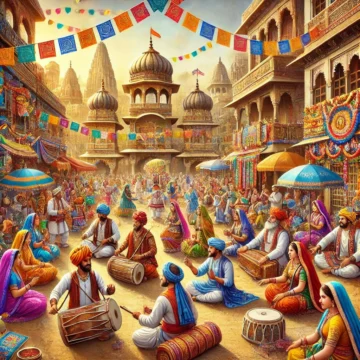
India, Hindu festival, cultural celebration, traditional attire, street decorations, community event
Post

Hinduism: Exploring Its Impact on Culture

Explore how Hinduism, one of the oldest and most complex religions, profoundly shapes not just spiritual but also cultural and economic facets of societies. This blog delves into Hinduism's influence from colorful festivals to its sway over economic behaviors, showcasing a life system deeply woven into daily life.

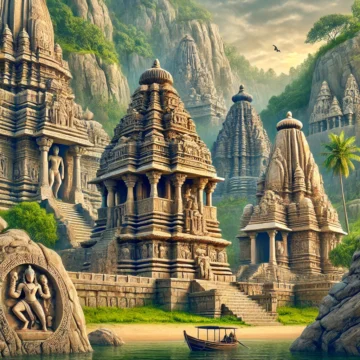
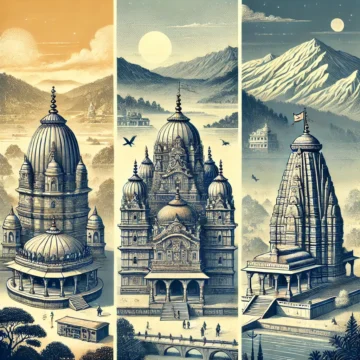
Hindu temples, ancient temples, Indian architecture, cultural heritage, spirituality, rock-cut sculptures, temple carvings, historical sites, lush greenery, mythological scenes, oldest indian temples
Post

Oldest Indian Temples: Timeless Treasures of Spiritual Brilliance

The history of Hinduism is intricately woven with the construction of magnificent temples that not only serve as places of worship but also as repositories of art, culture, and history. From rock-cut sculptures to towering stone edifices, these temples stand as testaments to the enduring legacy of Hindu spirituality and artistry, offering a glimpse into ancient India's rich heritage and architectural ingenuity.

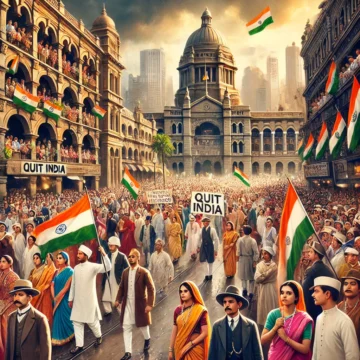
Quit India Movement, 1940s India, Indian protest, colonial architecture, Indian citizens, freedom struggle, historical protest, Indian independence, unity and determination, diverse crowd, India’s Freedom Struggle Efforts
Post

India’s Freedom Struggle Efforts and Quit India Movement-III

In this detailed analysis, we explore the Quit India Movement of 1942—a pivotal uprising in India's fight for independence. Initiated by Gandhi amidst World War II pressures, this movement marked a drastic shift from previous resistance strategies, ushering a more direct confrontation against British rule and catalyzing a nationwide push for sovereignty.

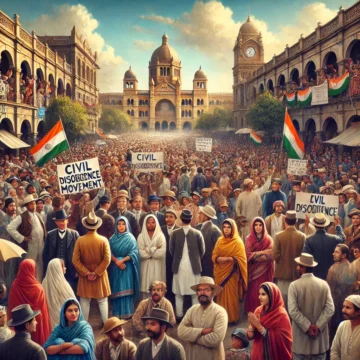
Civil Disobedience Movement, Indian freedom struggle, 1930s India, peaceful protest, colonial architecture, Indian crowd, British rule, historical protest, Indian independence movement, cultural juxtaposition, India’s Freedom Struggle and Quit India Movement-II
Post

India’s Freedom Struggle and Quit India Movement-II

Dive into the pivotal Civil Disobedience Movement of the 1930s in our comprehensive analysis. This segment examines the strategic shifts and public uprisings that challenged British colonial policies under Gandhi's controversial leadership, setting the stage for a more intensified push towards Indian independence.

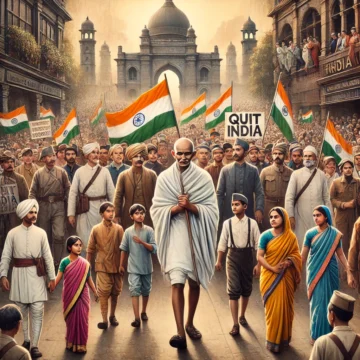
Quit India Movement, Mahatma Gandhi, Indian freedom struggle, colonial India, historical protest, 20th-century attire, peaceful march, Indian protesters, British colonial symbols, historical artwork, India's freedom struggle
Post

India’s Freedom Struggle and Quit India Movement-I

This blog explores India's Freedom Struggle, emphasizing Gandhi's controversial leadership in movements like Non-Cooperation and Quit India. Despite widespread admiration, his strategies, marked by abrupt decisions and strategic recalibrations, played complex roles in shaping India's quest for independence, raising questions about the overall impact of his 33-year-long leadership.

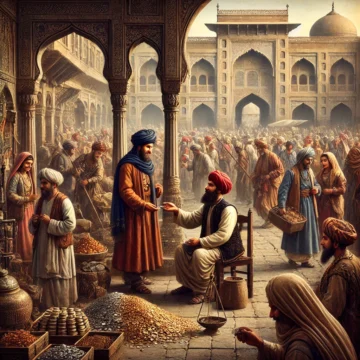
Jizya tax, Mughal era, medieval India, historical tax collection, Islamic history, non-Muslims, Mughal architecture, ancient marketplace, tax collector, cultural history
Post

Islamic Influence and Jazia Tax in India

This blog delves into the financial penalties like Jizya tax levied on non-Muslims under Muslim rule in India, examining their origins, impacts, and historical significance. It explores the economic and psychological effects on communities, providing a nuanced perspective on this aspect of Islamic governance.

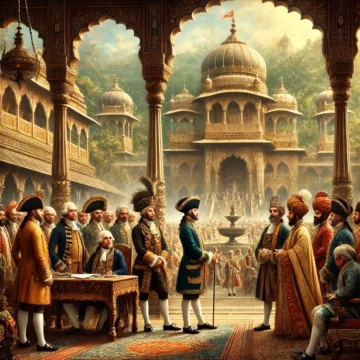
British East India Company, Indian rulers, 18th century Bharat, colonial negotiations, cultural dynamics, historical architecture, palace courtyard, traditional attire, power dynamics, British colonialism
Post

British East India Company: Conquest and Control of Bharat

Explore the intricate saga of the British East India Company's dominion over Bharat. From strategic alliances and manipulation to military campaigns, we dissect how a trading mission evolved into a powerful colonial empire, profoundly shaping the subcontinent's history.

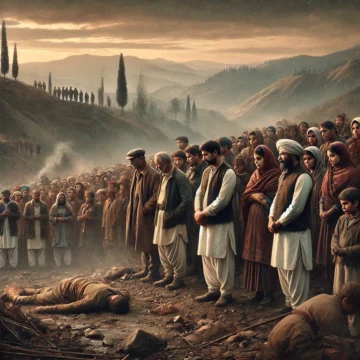
Himachal Pradesh, rural India, community gathering, traditional Indian attire, mourning, resilience, somber atmosphere, solidarity, Indian village, terrorist
Post

Terrorist Attack and Chamba Massacre – A Tragic Event

On August 3, 1998, the Chamba district in Himachal Pradesh witnessed a horrific act of violence as militants attacked, leaving 35 dead. This massacre not only scarred the community but also marked a critical point for India's national security and its battle against cross-border terrorism.

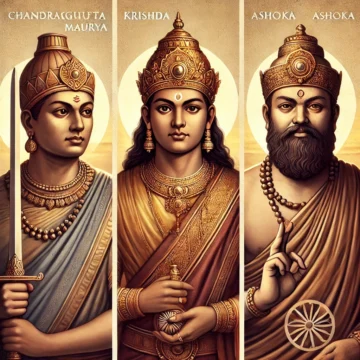
Chandragupta Maurya, Krishnadevaraya, Ashoka the Great, Indian history, ancient rulers, Maurya Empire, Vijayanagar Dynasty, Buddhism, Dharma, historical illustration, Indian culture, Vijayanagar Dynasty
Post

Vijayanagar Dynasty: Among Ten Most Influential Dynasties in Bharat’s History

The rich tapestry of India's history is marked by influential dynasties that shaped its cultural, political, and social landscape. Among these, the Vijayanagar Dynasty stands out for its resilience and prosperity in southern India. This blog explores the contributions of ten significant dynasties, including the Maurya, Gupta, and Vijayanagar dynasties, highlighting their unique impacts and legacies that have left indelible marks on Indian history.

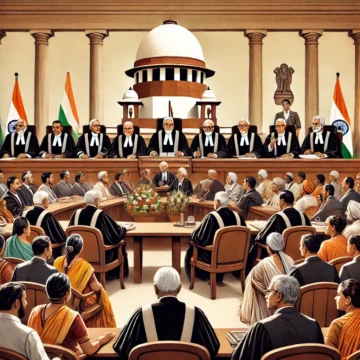
Supreme Court of India, Indian courtroom, reservation policies, judges in robes, legal discussion, social equity, justice, national emblem, diverse communities, caste system
Post

Caste System and Supreme Court Judgment

Explore the Supreme Court of India's landmark judgment on reservation policies, aimed at addressing disparities within the system. This blog delves into the historical context, implications, and potential resistance, offering insights into how these changes might reshape India's socio-economic landscape and promote true social justice.

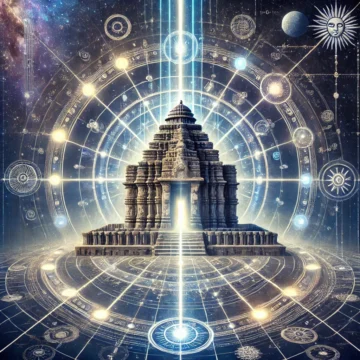
Sun Temple of Konark, Vedic cosmology, celestial alignment, equinoxes, solstices, mystical architecture, spiritual significance, celestial bodies, Vedic astronomy
Post

Sun Temple: Vedic principles and Cosmic Connection

Explore the cosmic alignment and architectural marvel of the Sun Temple of Konark. Constructed in the 13th century, this temple is an epitome of Vedic principles linking celestial and earthly realms through its precise solar alignments, embodying a profound synthesis of art, science, and spirituality that highlights the ancient understanding of the cosmos.

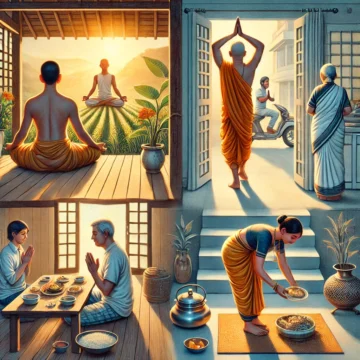
Vedic practices, meditation, Surya Namaskar, sun salutation, food offering, spiritual daily routines, yoga, Hindu rituals, peaceful setting, mindfulness
Post

Vedic Teachings for Life: The Ascendance of the Vedas

"Vedic Teachings for Life: The Ascendance of the Vedas" dives deep into the profound influence of these ancient scriptures on Hindu spiritual, cultural, and everyday life. Originating from divine revelations, the Vedas offer invaluable insights, from guiding rituals to shaping philosophical inquiries, proving their timeless relevance and impact.

Kishtwar, Jammu and Kashmir, haunting landscape, abandoned bus, serene, somber, tragic event, dense forests, cloudy sky, mountains, Terrorist Attack
Post

Terrorist Attack in Kishtwar: Massacre of 2001

On August 3, 2001, Kishtwar in Jammu and Kashmir became the scene of a devastating attack, known as the Kishtwar Massacre. This brutal incident targeted Hindu pilgrims, reflecting the deep-seated vulnerabilities within the region’s socio-political fabric, exacerbated by global terrorism influences.

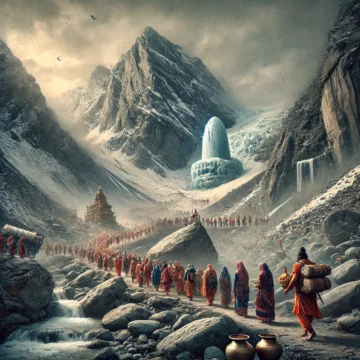
Amarnath Ji Yatra, Hindu pilgrimage, spiritual journey, Lord Shiva, sacred cave, Himalayan mountains, religious devotion, Amarnath Cave, Hindu faith, spiritual resilience
Post

Amarnath Ji Yatra 2000 Massacre: A Sacred Journey Shattered

The Amarnath Ji Yatra is a sacred pilgrimage symbolizing unwavering faith and resilience. On August 1, 2000, this journey was marred by a tragic massacre that claimed 32 lives. Yet, despite the violence, the Yatra continues, embodying the spirit of spiritual defiance and devotion. This blog reflects on the rituals, challenges, and enduring strength of faith.

Shakti Peeths, Kamakhya Temple, Kalighat Kali Temple, Vaishno Devi Temple, Hindu temples, Devi Sati, pilgrimage sites, divine feminine, Indian spirituality, sacred architecture
Post

Shakti Peeth of Devi Sati: An Introduction to the Sacred Temples

Shakti Peeths, revered as sacred sites where parts of Devi Sati fell, are powerful symbols of divine feminine energy in Hinduism. These temples, spread across the Indian subcontinent, continue to inspire devotion and spiritual practice. From their origin in ancient mythology to their relevance in modern times, Shakti Peeths remain central to Hindu worship.