The world watched as Nepal’s political landscape shifted, and the dominant public narrative was simple and powerful: this was a revolt against “Nepo Kids”—the entrenched children of political dynasties who had monopolized power for generations. In India, however, this principle inverted: Indo Kids were not displaced by dissent, they stepped into it. The question, now, is how Indo Kids are made.
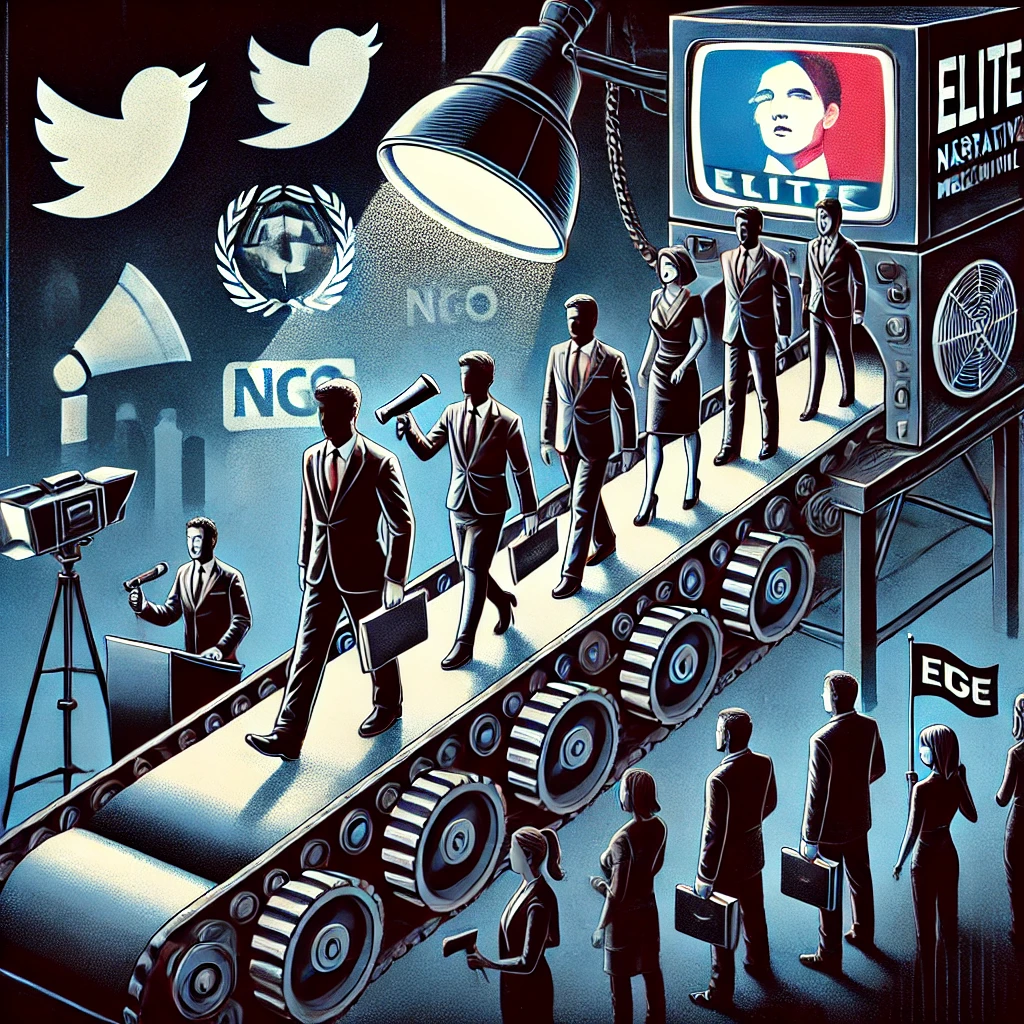
The first question people ask after learning about Indo Kids is always the same: “Who are they? Give me names.” But before we name names, we need to understand something more fundamental: Indo Kids are made, not born. They don’t emerge organically from genuine movements. They are products of a sophisticated manufacturing process—one that combines political necessity, media machinery, NGO networks, and international sponsorship into a conveyor belt that transforms elite heirs into “revolutionary” brands.
This isn’t conspiracy theory. It’s observable pattern recognition. And once you understand how Indo Kids are made, you’ll never look at political activism the same way again.
Why the Indo Kids Model Emerged: The NDA Disruption
To understand the manufacturing process, we must first understand why it became necessary. The answer lies in a seismic shift in Indian politics: the rise of non-dynastic political forces, primarily through the National Democratic Alliance (NDA).
For decades, certain political families enjoyed unchallenged monopoly over national politics. Their children inherited not just wealth, but direct access to power—ministerial positions, party leadership, policy influence. This was the natural order, accepted by institutions, media, and large sections of the public.
Then the NDA shattered this monopoly. Suddenly, dynastic heirs found themselves:
1. Outside the Power Center
After generations of assumed entitlement to governance, elite families lost control of the national executive. Their children—who had been groomed for ministerial roles, bureaucratic appointments, and policy influence—suddenly had nowhere to go within the traditional power structure.
2. Facing Non-Dynastic Competition
The NDA demonstrated that political success was possible without famous surnames. Leaders from modest backgrounds, with no family political legacy, were outperforming scions of established dynasties. This was an existential crisis for political aristocracy.
3. Lacking Grassroots Legitimacy
When your family’s name no longer guarantees electoral victory, when voters increasingly reject dynastic privilege, how do you stay politically relevant? The old playbook—inheriting party positions, leveraging family networks—no longer worked.
4. Facing Corruption Allegations
With the loss of executive power, several elite political families also found themselves facing corruption allegations linked to actions and decisions taken during previous rules. Ongoing investigations and legal scrutiny further narrowed traditional pathways of influence, making direct political inheritance both risky and publicly untenable.
These pressures converged simultaneously.
This created what business strategists call a “pivot moment.” The children of political elites needed a new pathway to power. They needed reinvention. They needed to become something they fundamentally were not: outsiders.
That’s when Indo Kids are made.
The Rebranding Imperative: From Heir to Revolutionary
The solution was brilliant in its audacity: if you can’t join the system, pretend to oppose it.
“Rebellion” became the new political strategy. Not real rebellion—that would involve actual risk, genuine sacrifice, potential legal consequences. No, this would be controlled dissent: carefully calibrated opposition that generated visibility, moral authority, and political relevance without threatening the fundamental structures that protect elite families.
The rebranding followed a predictable template:
Step 1: Educational Credentials from Elite Western Institutions
Oxford, Harvard, LSE, Yale—these aren’t just universities, they’re legitimacy factories. A degree from the right Western institution provides instant intellectual credibility while also connecting you to international networks of influence. Notice how Indo Kids are made through this educational pathway: elite children are sent abroad, return with prestigious credentials, and immediately position themselves as both more sophisticated than their parents’ generation and more morally aware.
Step 2: Adopt Fashionable Causes
Climate activism, social justice, democratic rights, minority protection—these are the currencies of modern moral authority. These are the issues that American deep state and other institutions working against Indian interests find refuge in. Indo Kids are made to, seemingly, champion these causes not because of genuine grassroots involvement but because these issues provide perfect cover. Who can question someone fighting for the environment? Who can challenge someone claiming to defend democracy?
Step 3: Manufacture Grassroots Aesthetics
The imagery matters as much as the message. Indo Kids are made to look like authentic activists: campus protests, street demonstrations, simple clothing during photo ops, social media posts using revolutionary language. The aesthetics of struggle without the substance of sacrifice.
Step 4: Secure Victim Narrative
This is perhaps the most crucial element. Indo Kids are made to appear persecuted, oppressed, or silenced—despite coming from immense privilege and having access to platforms ordinary citizens could never dream of. This victim positioning serves two purposes: it generates sympathy and it deflects from questions about their actual privilege.
The Machinery: How Indo Kids Are Manufactured
Now we get to the industrial process itself. Indo Kids are made through a coordinated ecosystem involving multiple institutional players:
The Media Pipeline
Elite media institutions—many with historic ties to old political families—provide the initial amplification. A student protest that would normally receive local coverage becomes national news when an Indo Kid is involved. An opinion piece by an unknown activist might be ignored; the same piece by an elite heir receives front-page placement.
This isn’t organic. Look at the pattern: media manipulation follows identical templates across Western democracies. The same false causality matrices appear whether you’re examining protests in France, civil unrest in Nepal, or activist movements in India.
Western media platforms play a particularly important role. Features in The Guardian, BBC, Al Jazeera, or New York Times don’t just provide international visibility—they create legitimacy. When a Western outlet profiles an Indo Kid, it signals to domestic audiences: “This person matters.” The international stamp of approval manufactures domestic credibility.
The NGO Network
Non-governmental organizations serve as the institutional backbone for Indo Kids manufacturing. These organizations provide:
- Funding channels that obscure the actual source of financial support
- Organizational infrastructure without which “grassroots movements” cannot scale
- Legal protection through networks of lawyers and advocacy groups
- International connections linking domestic activists to global networks
The Abrahamic religions alliance demonstrates how these networks operate across borders, creating coordinated pressure campaigns that appear spontaneous but are actually highly orchestrated.
Notice which Indo Kids are made visible through these networks. They’re always connected to specific NGOs, always backed by particular foundations, always participating in the same international conferences and fellowship programs.
The Fellowship Circuit
This is where Indo Kids are made into international brands:
- Rhodes Scholarships
- Yale World Fellows
- Obama Foundation programs
- Ashoka Fellows
- TED Fellow status
These aren’t just honors—they’re manufacturing stations. They provide:
- Credibility through association with prestigious brands
- Networks connecting them to other elites globally
- Resources including funding, mentorship, and platform access
- Protection through international visibility that makes domestic legal action politically costly
When you see an Indo Kid with multiple international fellowships, you’re not looking at organic recognition of grassroots activism. You’re looking at industrial-scale legitimacy production.
The Social Entrepreneur Template
Perhaps no packaging is more effective than the “social entrepreneur” brand. This is how Indo Kids are made into Muhammad Yunus-style figures:
The Formula:
- Identify a genuine social problem (poverty, education, healthcare access)
- Create or join an organization claiming to address it
- Receive media coverage emphasizing personal sacrifice and moral commitment
- Accept international awards and recognition
- Maintain lifestyle and elite access completely inconsistent with claimed mission
The Reality:
- Problems aren’t solved, they’re branded
- Organizations function primarily as platforms for the founder
- Media coverage is coordinated, not earned
- Awards come from the same networks funding the work
- Actual impact is minimal compared to visibility generated
External Adversarial Leverage: Enemy States and Hostile Actors
Beyond media, NGOs, and fellowships, Indo Kids manufacturing also benefits from the indirect leverage of enemy powers and hostile external actors seeking to weaken India’s developmental momentum. Countries such as Pakistan, along with aligned information and influence networks, exploit internal dissent narratives to internationalize domestic issues, amplify instability, and erode confidence in Indian institutions.
This involvement is rarely direct or overt. Instead, it operates through:
- Narrative amplification of protests and internal conflicts
- Selective international outrage framing India as dysfunctional or authoritarian
- Strategic alignment with activist causes that stall infrastructure, security, and developmental projects
- Use of international platforms to convert local dissent into global pressure
For such actors, Indo Kids serve a functional role: domestically rooted faces that lend credibility to narratives hostile to Indian interests. While Indo Kids may present themselves as independent moral voices, their causes and campaigns often align conveniently with the objectives of forces that benefit from slowing, fragmenting, or delegitimizing India’s rise.
Internal Religious Extremist Convergence
Religious extremists operating within India—including Islamist groups seeking social division and renewed civilizational fracture—also intersect with the Indo Kids ecosystem. Their objective is not reform but fragmentation: weakening national cohesion, amplifying identity fault lines, and reviving narratives of permanent grievance.
While Indo Kids project a secular, progressive image, their campaigns and platforms often overlap with causes that such extremist groups exploit to inflame divisions and obstruct integration. This convergence allows radical agendas to move into mainstream discourse indirectly, shielded by activist language and elite legitimacy.
The List: Indo Kids — Familiar Class Profiles
Before attaching names, it is more revealing to examine the recognizable roles through which Indo Kids are presented to the public. These are not anonymous abstractions. They are high-visibility, nationally familiar profiles whose characteristics, rhetoric, and trajectories are already well known to the Indian audience.
The following are class profiles, not accusations—describing how power is repackaged, not who holds it.
Profile A: The Perpetual Outsider from the First Family
Background: Heir to a national political legacy with uninterrupted access to power networks
Public Persona: Reluctant leader, moral crusader, voice of the oppressed
Defining Traits:
- Repeated reinvention as a “new” challenger despite decades of political centrality
- Adoption of activist language—democracy, institutions, inclusion—while remaining insulated from consequence
- Global validation and international platforms compensating for domestic rejection
Core Contradiction:
Presented as an outsider fighting entrenched power, while being one of its longest-standing beneficiaries.
Profile B: The Regional Dynast Framed as Youth Alternative
Background: Successor to an established regional political dynasty
Public Persona: Young, progressive counterweight to the establishment
Defining Traits:
- Emphasis on generational change without structural change
- Heavy reliance on caste or identity arithmetic framed as social justice
- Media portrayal as representative of youth aspirations despite inherited dominance
Core Contradiction:
Markets lineage as renewal, and inheritance as reform.
Profile C: The Inheritor Rebranded as Mass Representative
Background: Direct dynastic succession following electoral setbacks or legal pressure on predecessors
Public Persona: Grassroots voice of the marginalized
Defining Traits:
- Rapid elevation within party and public life despite limited independent mandate
- Constant invocation of social injustice narratives
- Protection through party structure and identity politics rather than popular legitimacy
Core Contradiction:
Claims to represent the masses while never having emerged from them.
Profile D: The Incumbent Insider Performing Dissent
Background: Member of a ruling establishment with deep institutional control
Public Persona: Defender of federalism, culture, or regional pride against central authority
Defining Traits:
- Plays the language of resistance while exercising real administrative power
- Selective outrage calibrated for national and international audiences
- Positions governance failures as acts of victimhood
Core Contradiction:
Performs rebellion while holding the levers of the state.
This template allows Indo Kids to claim they’re “fighting the system” while benefiting from elite protection. They position as outsiders working for the poor while maintaining insider access to power, wealth, and influence.
Explore More on HinduInfopedia
Understanding Elite Power Structures
- Regime Change Playbook: A Manual for Color Revolution Operations — The international template for manufacturing dissent
- How Media Manipulation Works: The Global Template — Identical deception patterns across Western democracies
- Abrahamic Religions Alliance: How Global Networks Target India’s Democracy — The coordinated institutional machinery
Case Study Framework: The Mohammad Yunus Model
Before we name specific Indo Kids in India, let’s examine the template they’re following. Muhammad Yunus became famous for microfinance—presenting himself as a revolutionary social entrepreneur fighting poverty. The reality was more complex:
- Elite background (Fulbright scholar, professor)
- International backing (Western foundations and donors)
- Media construction (Nobel Peace Prize, global speaking circuit)
- Questionable impact (microfinance effectiveness heavily debated)
- Political positioning (used social work platform for political influence)
This became the blueprint: use social work as legitimacy, international awards as protection, and moral authority as political capital. Indo Kids are made following this exact pattern.
The Common Manufacturing Elements
Across all these cases, notice the consistent pattern of how Indo Kids are made:
- Elite Educational Pipeline: Western universities providing credentials and networks
- International Media Amplification: Coverage disproportionate to actual grassroots support
- NGO Institutional Backing: Organizational infrastructure and funding
- Fellowship Circuit Participation: International programs providing legitimacy
- Victim Narrative Despite Privilege: Claims of persecution while maintaining elite access
- Zero Real Risk: No actual consequences for “revolutionary” activities
- Family Protection Intact: Political and financial safety nets never threatened
This isn’t accidental. This is industrial production.
How to Spot Designer Rebels: A Citizen’s Guide
Once you understand how Indo Kids are made, you can identify them:
Red Flag #1: International Platforms Before Domestic Credibility
If someone appears in The Guardian or gets a TED talk before building genuine grassroots following in India, question the pathway.
Red Flag #2: Perfect Media Coordination
When protests or statements receive immediate, coordinated international coverage, look for the machinery behind it.
Red Flag #3: Risk-Free Revolution
If someone claims to be fighting power but faces no real consequences, question the authenticity.
Red Flag #4: Elite Lifestyle + Poverty Rhetoric
When revolutionary language comes from someone living in obvious privilege, examine the contradiction.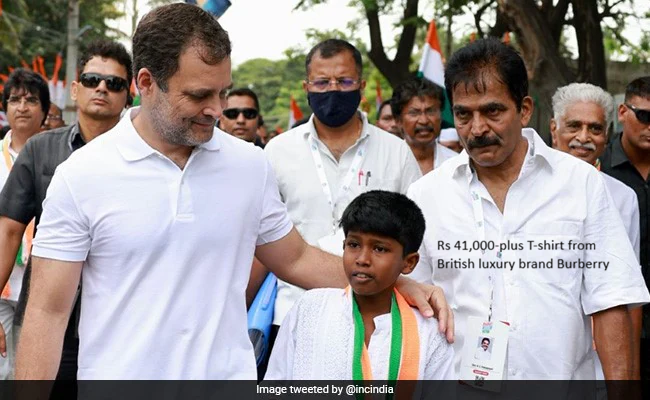
Red Flag #5: NGO-Fellowship-Media Triangle
If you can trace direct connections between their organization, international funders, and media coverage, you’re looking at manufacturing, not organic activism.
Red Flag #6: Victim Claims + Platform Access
If someone claims to be silenced while having unprecedented platform access, question the narrative.
Why This Manufacturing Works
The Indo Kids model succeeds because it exploits several psychological and institutional vulnerabilities:
1. Moral Authority Bias
People assume those claiming to fight for justice are automatically sincere. We’re programmed to respect moral claims, making us vulnerable to manufactured moral authority.
2. Victim Sympathy
Humans instinctively sympathize with claimed victims. Indo Kids are made to appear persecuted, triggering protective instincts even when the victimhood is manufactured.
3. Credential Worship
We’ve been trained to respect elite institutional affiliations. Oxford degrees and international fellowships carry automatic credibility, even when they’re just legitimacy laundering.
4. Media Trust
Despite growing skepticism, international media coverage still signals importance. When BBC or Guardian profiles someone, audiences assume significance.
5. Complexity Fatigue
It’s easier to accept the simple narrative (brave activist fights power) than to investigate the complex reality (elite heir uses activism as rebranding strategy).
6. Promotion by Vested Interests
Powerful political, institutional, and economic actors with a stake in weakening existing governance structures actively promote Indo Kids narratives.
The manufacturing works because it’s designed to work—by people who understand psychology, media, and power.
The Strategic Purpose
Why are Indo Kids made? What’s the ultimate goal?
- Short Term: Political relevance for elite families shut out of direct power
- Medium Term: Capture opposition movements before they threaten elite interests
- Long Term: Ensure elite families remain politically influential regardless of electoral outcomes
- Parallel External Objective: Enable enemy countries to exploit internal dissent as a tool to slow India’s developmental, strategic, and geopolitical rise
- Systemic International Objective: Provide international deep state networks with domestically credible assets to apply pressure, shape narratives, and influence outcomes without direct intervention
This is controlled dissent as survival strategy. By manufacturing their children as revolutionary leaders, political families ensure that even movements against the system are led by system beneficiaries.
It is also strategically convenient for hostile external actors: domestic faces, international validation, and plausible deniability combine to convert internal politics into an external leverage point.
It’s brilliant because it’s self-reinforcing. The more genuine discontent exists, the more valuable the Indo Kids brand becomes. Real anger creates demand for change; Indo Kids supply change that changes nothing fundamental.
Conclusion: From Manufacturing to Naming
Indo Kids are made through a sophisticated, well-funded, internationally coordinated process. They don’t emerge from grassroots movements—they’re inserted into them. They don’t earn moral authority—they’re awarded it by institutional networks. They don’t risk anything—they’re protected at every level.
Understanding this manufacturing process is essential before we can fully document the individuals involved. Because once you see the machinery, you can identify its products. Once you understand how Indo Kids are made, you can spot them everywhere.
The question isn’t whether these individuals are sincere in their stated beliefs. The question is whether their positioning as revolutionary outsiders serves to challenge elite power or preserve it. And the evidence suggests overwhelmingly: Indo Kids are made to restore elite influence, not challenge it.
In our next installment, we’ll examine the deeper international wiring—the geopolitical interests, strategic sponsorships, and global networks that don’t just make Indo Kids, but deploy them as assets in larger civilizational conflicts.
Explore More
Historical Context and Patterns
- Nehru’s Intentional Omissions: Mathura Massacre and Appreciation — How historical narrative shapes current political culture
- Destabilization Doctrine: How America’s Foreign Policy Boomerang Is Striking Home — The international dimension of domestic unrest
- Manufacturing Defect: When Humans Stopped Making Humans — The crisis of character formation that makes designer rebels possible
Coming Next: “Indo Kids and the Global Playbook — Following the Money” — We trace the international networks, funding mechanisms, and geopolitical interests that transform elite heirs into political assets.
Feature Image: Click here to view the image.
Videos
Glossary of Terms
- Indo Kids: A term used in the blog to describe elite, often dynastic heirs rebranded as activists or rebels through media, NGOs, and international validation systems.
- Nepo Kids: Children of political or institutional elites who traditionally inherited power through family lineage rather than merit or grassroots support.
- Narrative Shaping: The strategic construction of public perception using media, language, symbolism, and selective framing to influence political or social outcomes.
- Controlled Dissent: A form of opposition that appears rebellious but operates within safe limits that do not threaten entrenched elite power structures.
- Elite Rebranding: The process of transforming political heirs or insiders into perceived outsiders or reformists to maintain relevance after loss of direct power.
- NDA (National Democratic Alliance): A coalition of Indian political parties whose rise disrupted long-standing dynastic monopolies in Indian politics.
- Fellowship Circuit: A network of international programs (Rhodes, Yale World Fellows, Ashoka, Obama Foundation, TED) that provide legitimacy, protection, and visibility to selected activists.
- NGO Network: Interlinked non-governmental organizations that provide funding, legal backing, and international amplification for activist movements.
- Manufactured Grassroots: Movements that appear organic but are institutionally supported, funded, and amplified by elite or international actors.
- Victim Narrative: A strategic portrayal of elite individuals as persecuted or silenced to gain moral authority and deflect scrutiny of privilege.
- International Media Amplification: Disproportionate coverage by Western or global media outlets that creates domestic legitimacy through external validation.
- Designer Rebels: Activists whose dissent is carefully curated, risk-free, and aligned with elite or external strategic interests.
- Social Entrepreneur Template: A legitimacy-building model where social causes are used primarily as branding platforms rather than vehicles for genuine reform.
- Global Playbook: A recurring international pattern for influencing domestic politics through media, NGOs, and moral narratives.
- Legitimacy Laundering: The conversion of elite privilege into perceived moral authority using credentials, awards, and institutional endorsements.
#IndoKids #DynasticPolitics #NarrativeControl #PoliticalActivism #NepoKids #DynasticPolitics #PoliticalNarrative #HinduinfoPedia#इंडोकिड्सकथानिर्माण #IndoKidsNarrativeShaping
Previous Blogs
- https://hinduinfopedia.com/indo-kids-narrative-shaping-emulating-nepo-revolt/ https://hinduinfopedia.org/%E0%A4%85%E0%A4%B2-%E0%A4%95%E0%A4%BC%E0%A4%BE%E0%A4%AF%E0%A4%A6%E0%A4%BE-%E0%A4%89%E0%A4%AA%E0%A4%AE%E0%A4%BE/
Related Reading:
- Understanding the Abrahamic Alliance Targeting India
- Media Manipulation: The False Causality Matrix
- How Global Media Manipulation Works
- The Human Rights Paradox
- Rights-Based Solutions as Strategic Deception
- https://hinduinfopedia.com/destabilization-doctrine-how-americas-foreign-policy-boomerang-is-striking-home/
- https://hinduinfopedia.com/activation-of-destabilization-doctrine-the-india-deployment-begins/
- https://hinduinfopedia.com/rahuls-gen-z-call-activation-of-destabilization-doctrine/
- https://hinduinfopedia.com/target-india-action-phase-doctrine-in-motion/
- https://hinduinfopedia.com/regime-change-playbook-a-manual-for-color-revolution-operations/
- https://hinduinfopedia.com/ukraine-proxy-war-2014/
Follow us:
- English YouTube: https://www.youtube.com/@Hinduofficialstation
- Hindi YouTube: https://www.youtube.com/@HinduinfopediaIn
- X: https://x.com/HinduInfopedia
- Instagram: https://www.instagram.com/hinduinfopedia/
- Facebook: https://www.facebook.com/Hinduinfopediaofficial
- Threads: https://www.threads.com/@hinduinfopedia
Leave a Reply