
Tag: Islamic

Home » Islamic
Jawaharlal Nehru, Aurangzeb, Mughal Empire, Discovery of India, NCERT History, Jizya Tax, Temple Destruction, Partition 1947, Muslim League, Indian Historiography, Political Narrative, Historical Debate, Hindu History, Islamic Rule, Ideological Conflict
Post

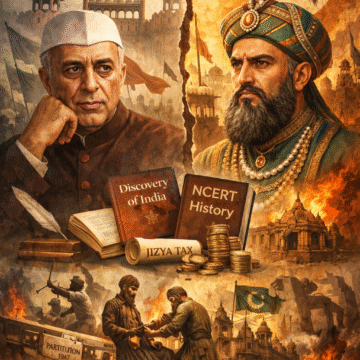
Aurangzeb in Nehru’s Praise: Political Necessity and 70-Year Whitewash

This analysis examines how Aurangzeb in Nehru's Praise emerged not as accidental interpretation but as political necessity during 1944–46. By humanizing systematic persecution through virtue-first framing and euphemistic language, Nehruvian historiography reshaped textbook narratives, public memory, and debates on Islamic rule, leaving a seventy-year imprint on India’s historical consciousness.
Indian secularism, legal asymmetry, constitutional imbalance, Hindu temples, religious freedom, Waqf law, judicial bias, minority rights debate, state control of religion, civilizational conflict, Indian constitution, law and religion, Legal Asymmetry Against Hindus
Post

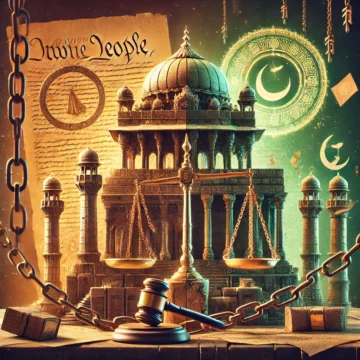
Legal Asymmetry Against Hindus: How “Secularism” Enables Islamic Dominance

Legal Asymmetry Against Hindus exposes how India’s secular framework selectively protects Islamic practices while imposing state control on Hindu traditions. From Shariat autonomy and Waqf privileges to judicial interventions in Hindu temples, the legal system enforces a two-tier structure. This is not constitutional drift, but deliberate architecture shaping civilizational outcomes.

Indian historiography, Nehru narrative, Islamic invasions, historical revisionism, euphemistic language, civilizational memory, Hindu civilization, conquest and synthesis, colonial mindset, ideological history writing
Post

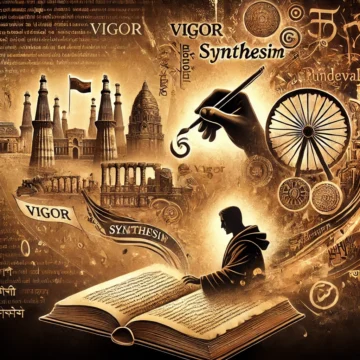
Nehru Glorifying Islamic Invaders: The ‘Vigorous and Virile’ Narrative

This blog critically examines how Jawaharlal Nehru glorified Islamic invaders through deliberate vocabulary choices that reframed conquest as contribution. By contrasting his admiring language for invaders with his denigrating portrayal of Hindu civilization, the analysis exposes a systematic double standard that shaped Indian historiography, minimized historical trauma, and normalized civilizational subjugation as progress.