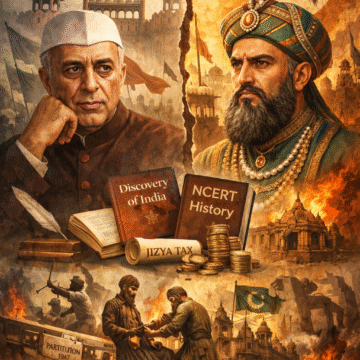

This blog critically examines how Jawaharlal Nehru glorified Islamic invaders through deliberate vocabulary choices that reframed conquest as contribution. By contrasting his admiring language for invaders with his denigrating portrayal of Hindu civilization, the analysis exposes a systematic double standard that shaped Indian historiography, minimized historical trauma, and normalized civilizational subjugation as progress.
Tag: Nehru
How Nehru Portrayed Muhammad Ghori: Darkest Defeat Became ‘Historical Progress’-II
This article examines How Nehru Portrayed Muhammad Ghori by analyzing the narrative techniques used to transform India’s most consequential military defeat into “historical progress.” By tracing linguistic minimization, symbolic erasure, and euphemistic framing, it explains how the civilizational rupture at Tarain was rendered historically weightless, shaping generations of misunderstanding about conquest, sovereignty, and long-term consequences.
Nehru’s Portrayal of Muhammad Ghori: Darkest Defeat Became ‘Historical Progress’-I
The defeat of Prithviraj Chauhan at the Second Battle of Tarain in 1192 marked the most decisive rupture in Indian history, opening North India to centuries of Islamic rule. This article examines how Nehru’s portrayal of Muhammad Ghori reframed permanent conquest as civilizational transition, severing causation from consequence and erasing historical trauma.
Ambedkar’s Buddhist Political Move: Divergence from Gandhi on Caste Issues
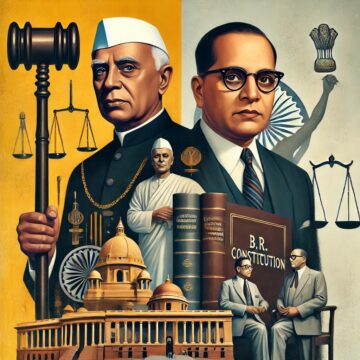
Ambedkar's Buddhist Political Move was not merely a spiritual choice but a profound critique of Hindu caste inequalities. Influenced by his differences with Gandhi and frustrations with Nehru's policies, this move marked a strategic realignment towards more assertive Dalit activism, fundamentally challenging both traditional Hindu structures and contemporary political frameworks.