
This blog explores India's Freedom Struggle, emphasizing Gandhi's controversial leadership in movements like Non-Cooperation and Quit India. Despite widespread admiration, his strategies, marked by abrupt decisions and strategic recalibrations, played complex roles in shaping India's quest for independence, raising questions about the overall impact of his 33-year-long leadership.



Sanatan Dharma and Manu Smriti: Ancient Wisdom and Modern Insights
Explore the Manusmriti's nuanced guidance on Dharma, a cornerstone of Hindu tradition. This ancient text elucidates the roles and duties across society's strata, addressing moral and ethical conduct while debunking myths about caste and birth. Our examination reveals its profound influence on both past civilizations and its relevance in modern discourse.

Islamic Influence and Jazia Tax in India
This blog delves into the financial penalties like Jizya tax levied on non-Muslims under Muslim rule in India, examining their origins, impacts, and historical significance. It explores the economic and psychological effects on communities, providing a nuanced perspective on this aspect of Islamic governance.

British East India Company: Conquest and Control of Bharat
Explore the intricate saga of the British East India Company's dominion over Bharat. From strategic alliances and manipulation to military campaigns, we dissect how a trading mission evolved into a powerful colonial empire, profoundly shaping the subcontinent's history.

Terrorist Attack and Chamba Massacre – A Tragic Event
On August 3, 1998, the Chamba district in Himachal Pradesh witnessed a horrific act of violence as militants attacked, leaving 35 dead. This massacre not only scarred the community but also marked a critical point for India's national security and its battle against cross-border terrorism.

Vijayanagar Dynasty: Among Ten Most Influential Dynasties in Bharat’s History
The rich tapestry of India's history is marked by influential dynasties that shaped its cultural, political, and social landscape. Among these, the Vijayanagar Dynasty stands out for its resilience and prosperity in southern India. This blog explores the contributions of ten significant dynasties, including the Maurya, Gupta, and Vijayanagar dynasties, highlighting their unique impacts and legacies that have left indelible marks on Indian history.
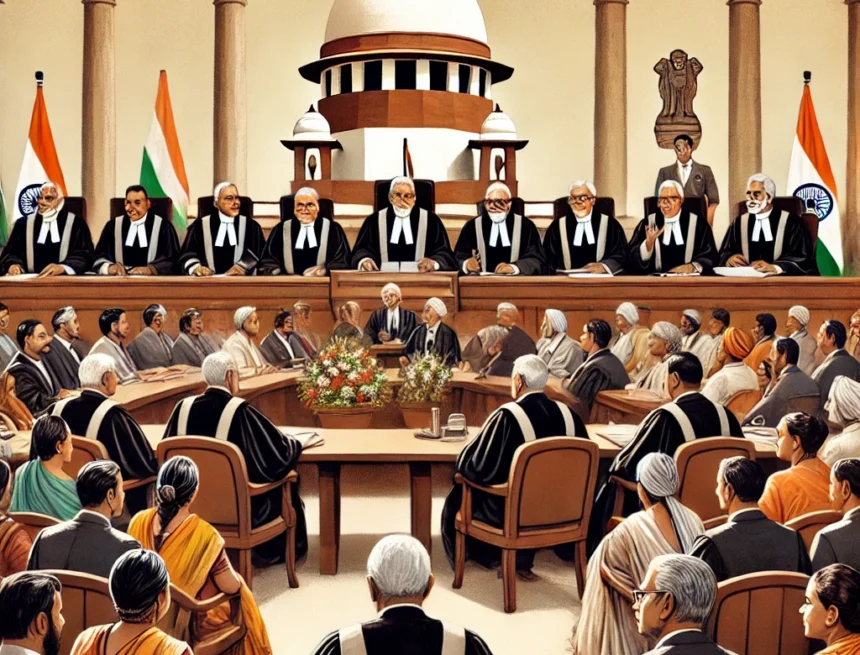
Caste System and Supreme Court Judgment
Explore the Supreme Court of India's landmark judgment on reservation policies, aimed at addressing disparities within the system. This blog delves into the historical context, implications, and potential resistance, offering insights into how these changes might reshape India's socio-economic landscape and promote true social justice.
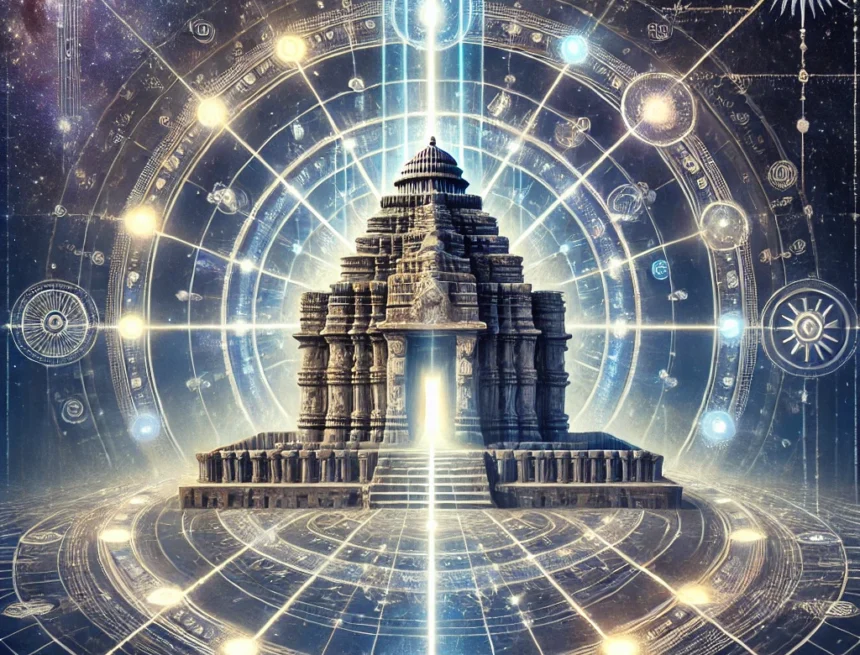
Sun Temple: Vedic principles and Cosmic Connection
Explore the cosmic alignment and architectural marvel of the Sun Temple of Konark. Constructed in the 13th century, this temple is an epitome of Vedic principles linking celestial and earthly realms through its precise solar alignments, embodying a profound synthesis of art, science, and spirituality that highlights the ancient understanding of the cosmos.
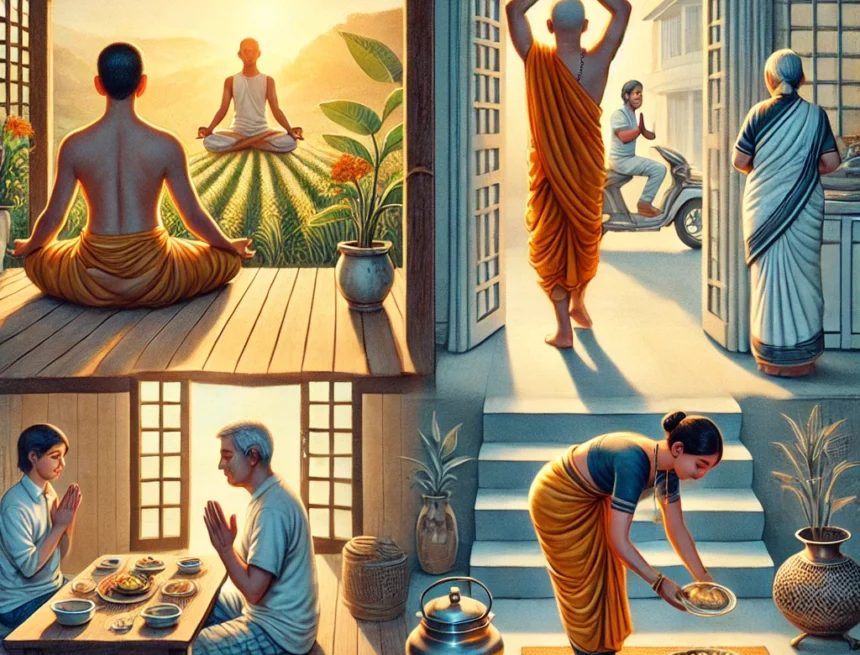
Vedic Teachings for Life: The Ascendance of the Vedas
"Vedic Teachings for Life: The Ascendance of the Vedas" dives deep into the profound influence of these ancient scriptures on Hindu spiritual, cultural, and everyday life. Originating from divine revelations, the Vedas offer invaluable insights, from guiding rituals to shaping philosophical inquiries, proving their timeless relevance and impact.
Terrorist Attack in Kishtwar: Massacre of 2001
On August 3, 2001, Kishtwar in Jammu and Kashmir became the scene of a devastating attack, known as the Kishtwar Massacre. This brutal incident targeted Hindu pilgrims, reflecting the deep-seated vulnerabilities within the region’s socio-political fabric, exacerbated by global terrorism influences.
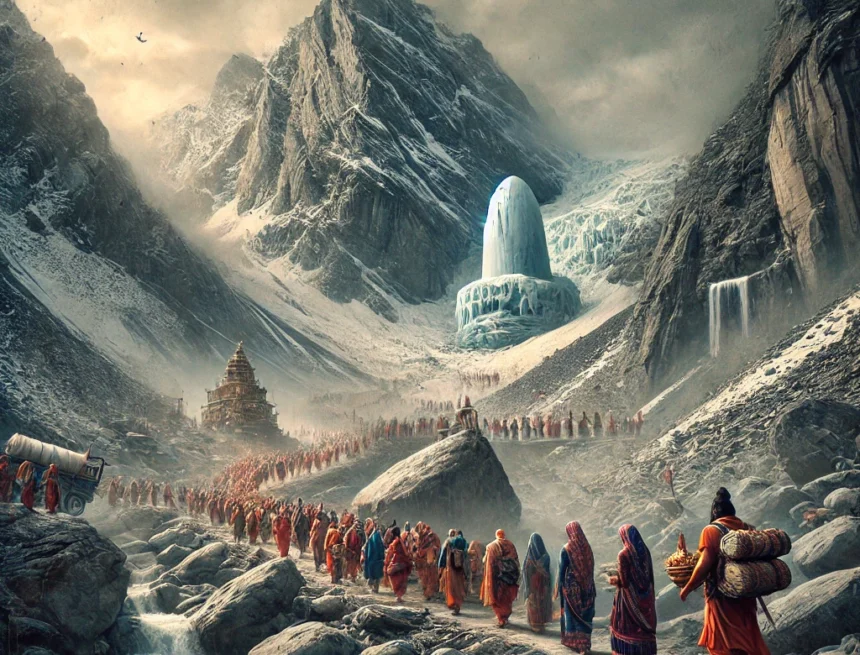
Amarnath Ji Yatra 2000 Massacre: A Sacred Journey Shattered
The Amarnath Ji Yatra is a sacred pilgrimage symbolizing unwavering faith and resilience. On August 1, 2000, this journey was marred by a tragic massacre that claimed 32 lives. Yet, despite the violence, the Yatra continues, embodying the spirit of spiritual defiance and devotion. This blog reflects on the rituals, challenges, and enduring strength of faith.
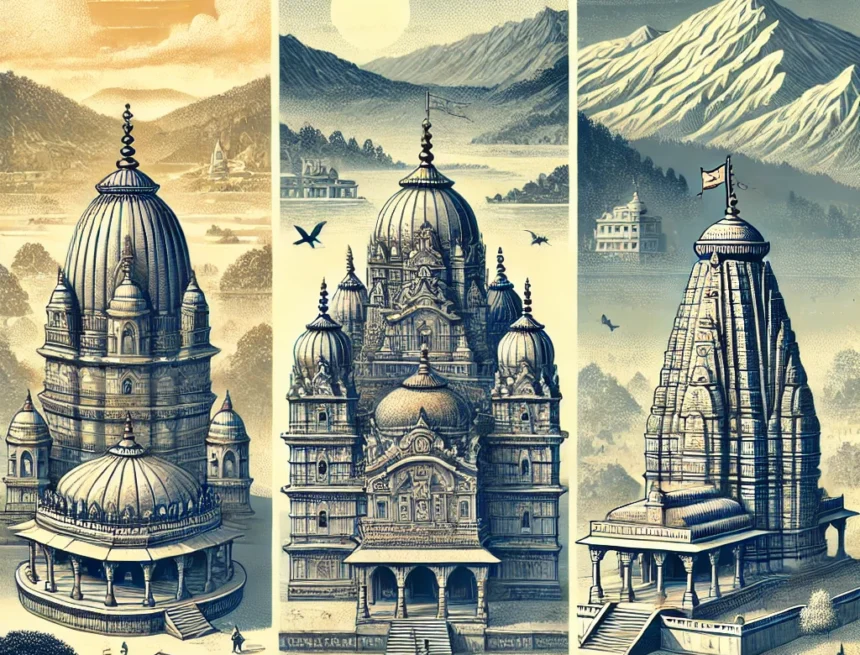
Shakti Peeth of Devi Sati: An Introduction to the Sacred Temples
Shakti Peeths, revered as sacred sites where parts of Devi Sati fell, are powerful symbols of divine feminine energy in Hinduism. These temples, spread across the Indian subcontinent, continue to inspire devotion and spiritual practice. From their origin in ancient mythology to their relevance in modern times, Shakti Peeths remain central to Hindu worship.
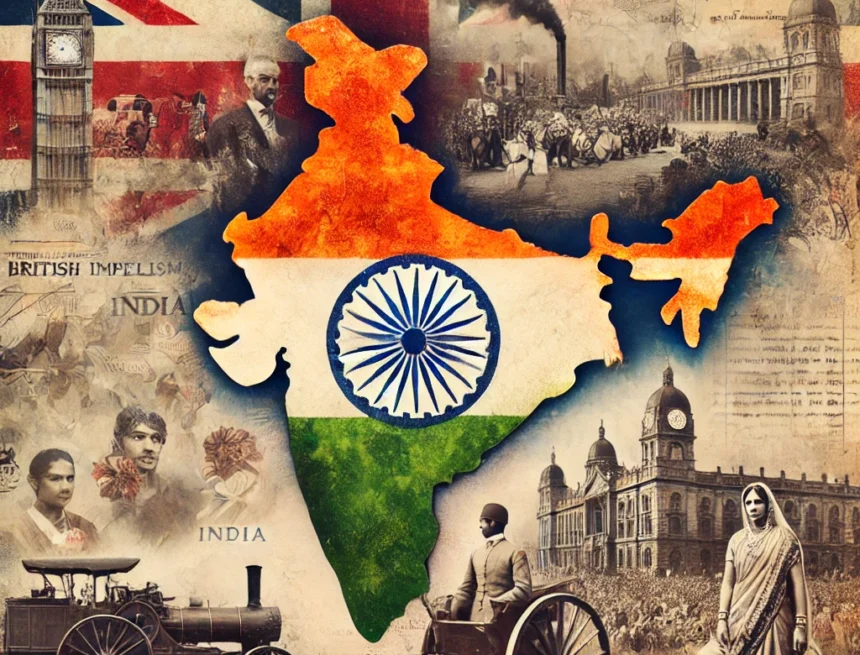
British Rule in India: A Blessing or a Curse?
Exploring the dual impacts of British rule in India, this blog navigates through the economic, social, and political changes from 1757 to 1947, culminating in a detailed discussion of the Partition's enduring consequences on India's fabric.
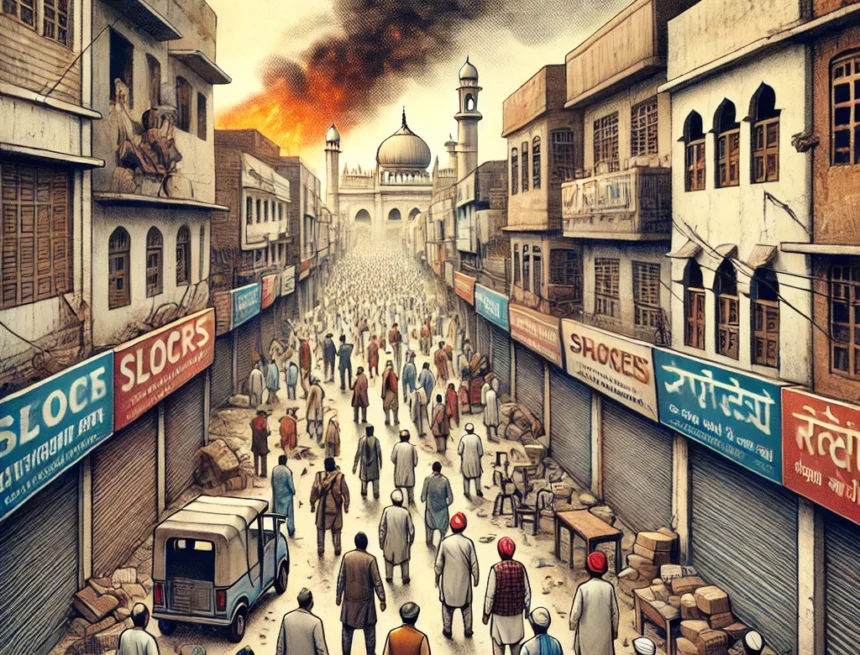
Riots or Terror Attacks in Haryana of 2023
On July 31, 2023, Haryana became the epicenter of intense communal tensions, erupting into violent riots. This blog delves deep into the ethical quandaries and the role of dharma in navigating these societal conflicts, exploring the roots and repercussions of the unrest that shook the very fabric of local communities.
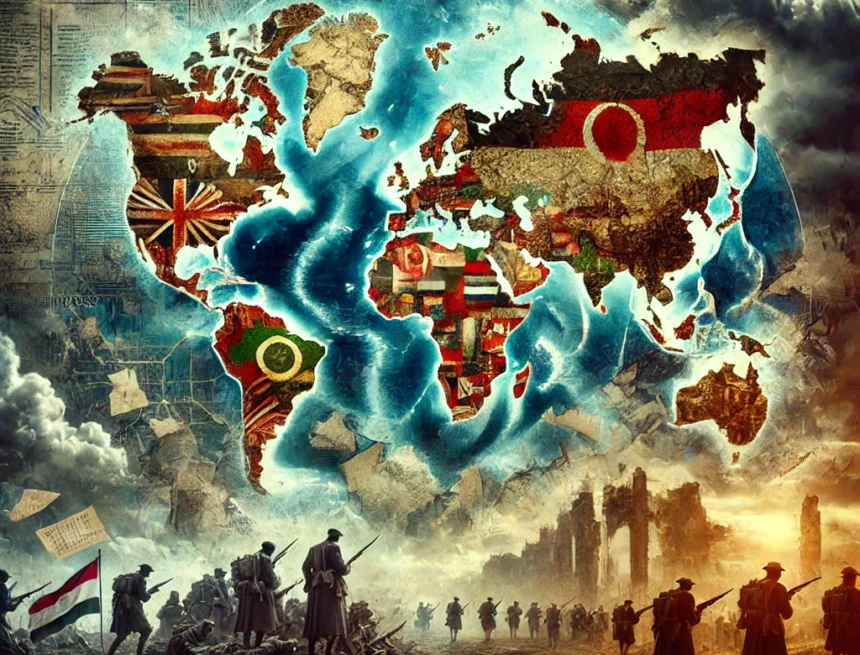
World War I Impact: The War for Supremacy
Explore the profound global impact of World War I Impact, a pivotal event that reshaped geopolitics and societies. This cataclysmic war redrew national boundaries, led to the collapse of empires, and spurred new ideologies, marking a significant transformation in international relations that continues to influence the modern world.
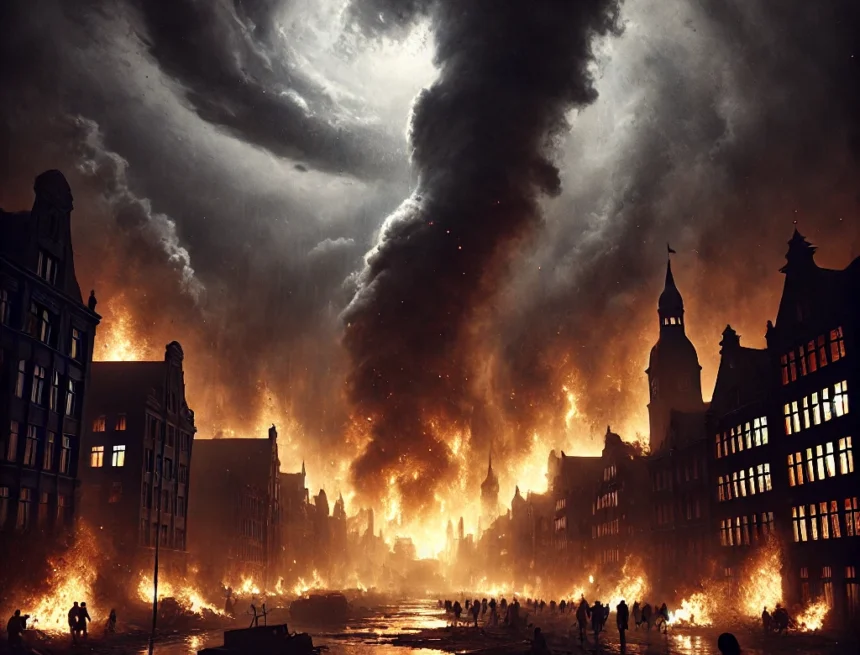
World War II Exposes The Dark Realities of Power
During World War II, the ruthless strategies of powerful nations led to immense civilian casualties. The Hamburg firestorm and the Warsaw Uprising epitomize the devastating impacts of war, highlighting the moral dilemmas faced when civilian lives become collateral in the quest for geopolitical dominance.
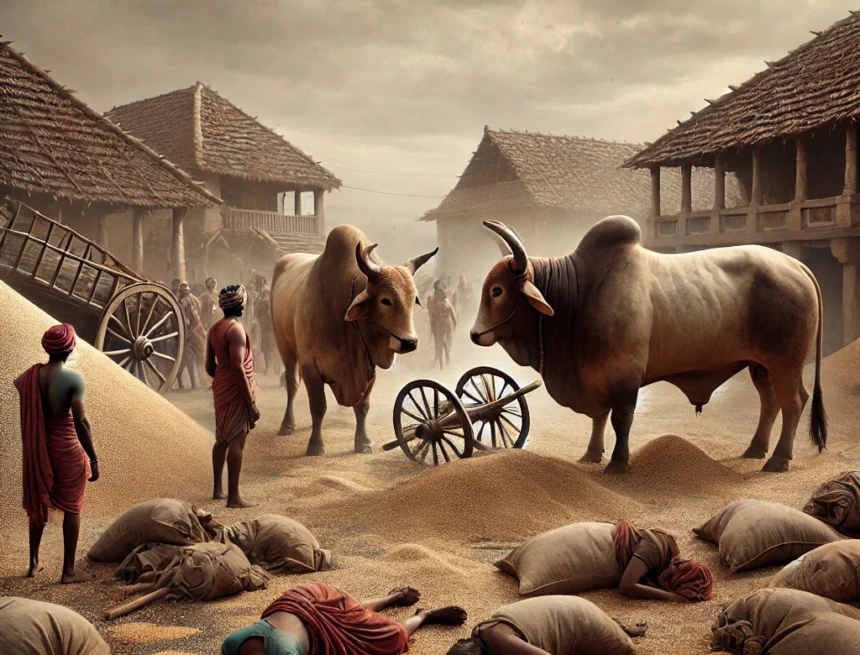
World War I and Devastation of Bharat II K
World War I left an indelible mark on Bharat, shaping its future struggle for independence. From the massive human and economic contributions to the psychological trauma endured by returning soldiers, the war accelerated nationalist movements and exposed the contradictions of British colonial rule. The aftermath of the war saw the rise of mass mobilizations and the eventual decolonization of Bharat.
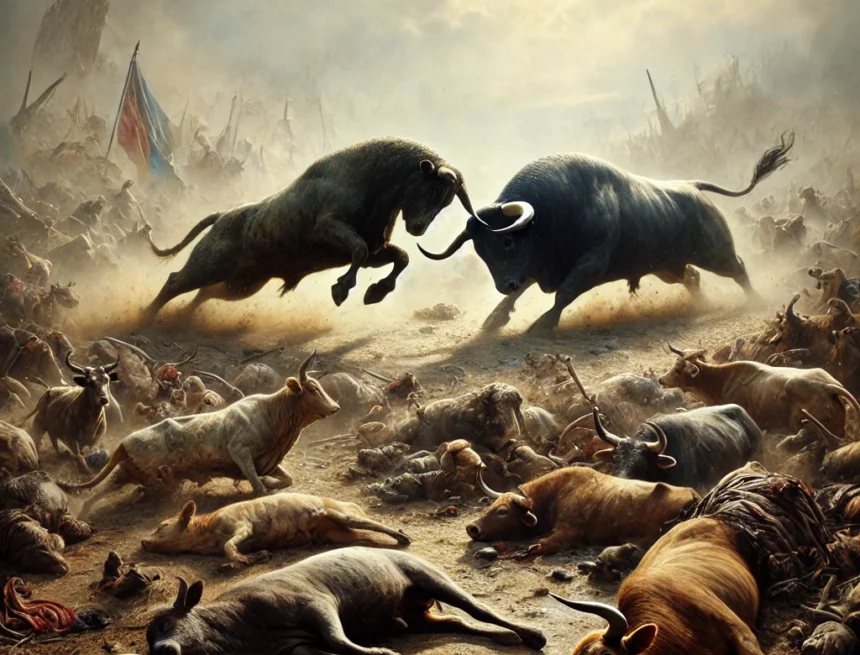
World War I and Devastation of Bharat I K
World War I profoundly impacted Bharat, catalyzing a political awakening and fueling nationalist sentiment. The war's socio-economic strains exacerbated tensions, leading to widespread unrest and laying the groundwork for future resistance movements. Leaders like Mahatma Gandhi, initially supportive of the British war effort, shifted toward advocating for direct action against colonial rule, setting the stage for Bharat’s independence.
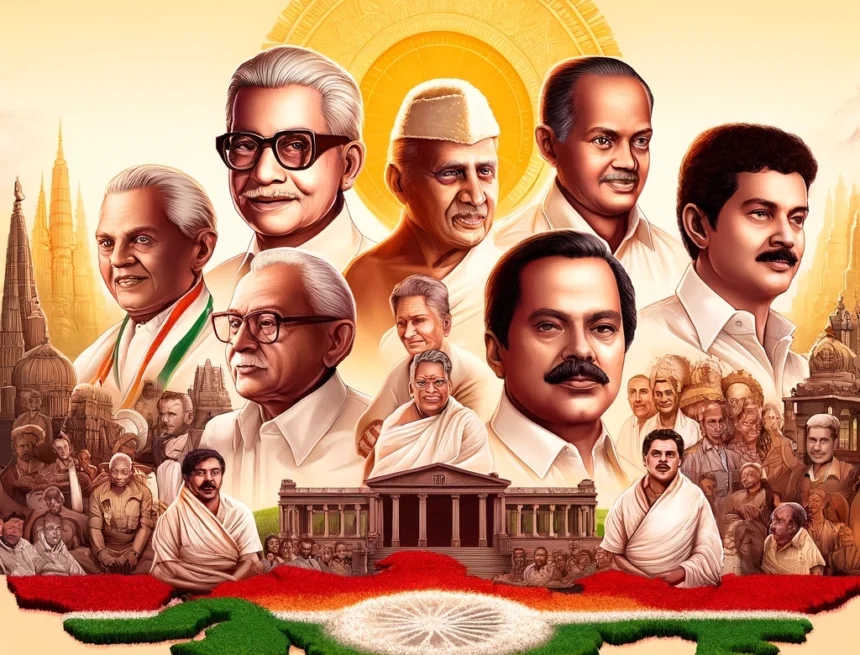
Casteism and Dravidian Politics
This blog explores how Dravidian parties like DMK and AIADMK have utilized caste dynamics for political gains in Tamil Nadu. We delve into the historical roots, policy impacts, and the dual role of empowering and dividing communities through caste-based strategies, examining both the positive outcomes and the deep-seated challenges that persist.
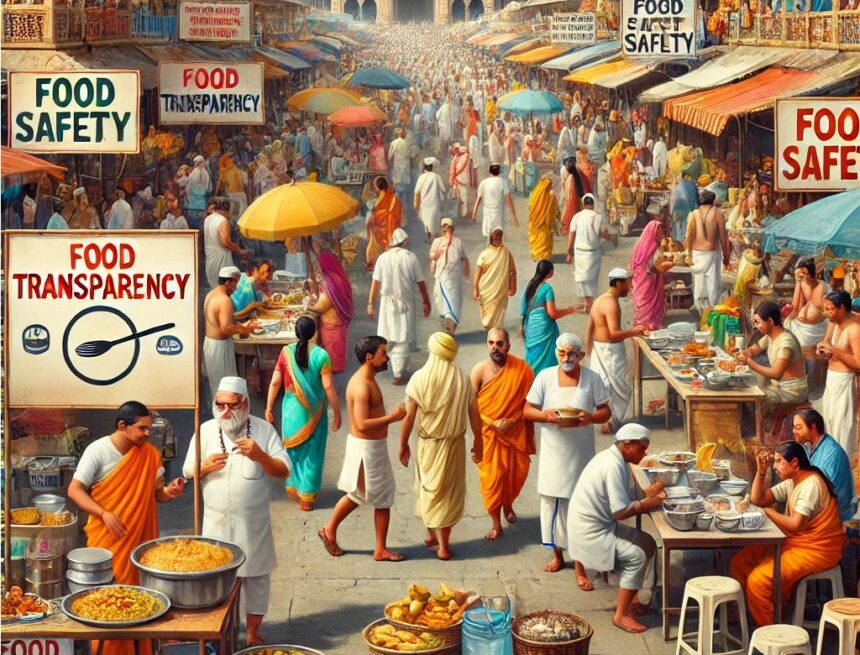
Hygiene at Kanwar Yatra Route and Related Controversies
Explore the challenges and initiatives for enhancing hygiene along the Kanwar Yatra route. This blog discusses the impact of displaying eatery owners' names, the influence of Islamic teachings on food safety, and strategies for improving transparency and community trust through culturally informed practices, amidst the backdrop of a revered Hindu pilgrimage.