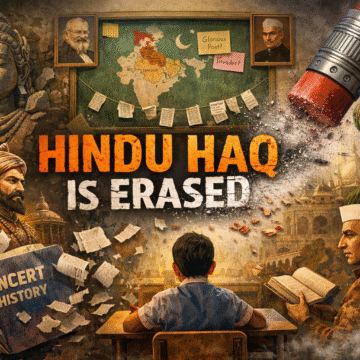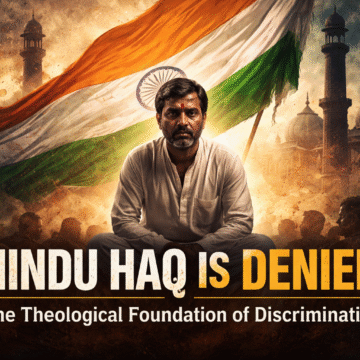

Hindu Haq Is Denied examines why Hindu civilizational rights face systematic resistance, tracing the roots not to politics or economics but to theology. Using The Haq movie as a narrative lens, the blog exposes how Islamic doctrinal classifications of Hindus as kafir and mushrikūn shaped historical subjugation, institutional asymmetry, and modern legal and cultural denial of Hindu dignity.
Tag: Hindu
Nehru’s Portrayal of Muhammad Ghori: Darkest Defeat Became ‘Historical Progress’-I
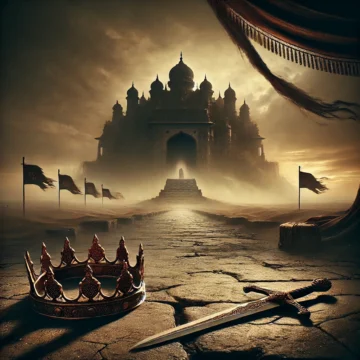
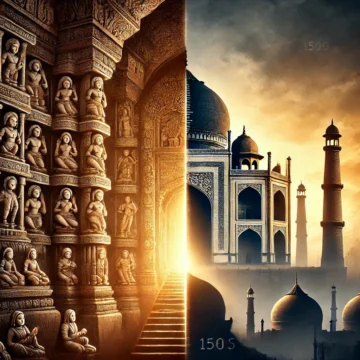
The defeat of Prithviraj Chauhan at the Second Battle of Tarain in 1192 marked the most decisive rupture in Indian history, opening North India to centuries of Islamic rule. This article examines how Nehru’s portrayal of Muhammad Ghori reframed permanent conquest as civilizational transition, severing causation from consequence and erasing historical trauma.
Buddhist Reservation Paradox: Why Buddhists Get SC Benefits
This article examines the Buddhist Reservation Paradox—how Buddhists retain Scheduled Caste benefits while explicitly rejecting the Hindu framework that created those protections. By tracing constitutional amendments, Ambedkarite ideology, judicial patterns, and ethical principles of Dharma, it argues that reservation has become a right detached from responsibility, raising serious questions of equity, gratitude, and constitutional consistency.
Political Islam vs Sanatan Dharma: Yogi Adityanath’s Lessons from Mughals
This analysis examines Political Islam versus Sanatan Dharma through Mughal-era governance (1526–1800), testing claims of tolerance against historical evidence. By comparing Mughal rule over Hindu majorities with Hindu kingdoms governing Muslim minorities, the study reveals a persistent safety asymmetry rooted in doctrinal systems rather than individual rulers.
Divide and Rule by East India Company
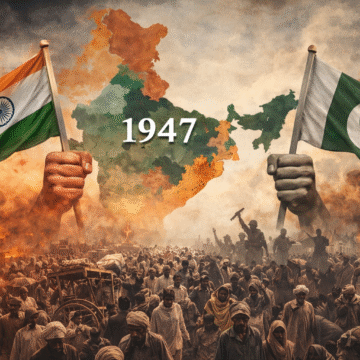
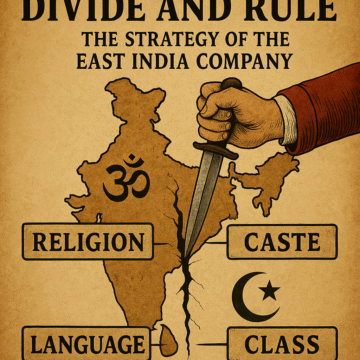
The British didn’t conquer India by force alone—they conquered it through division. Divide and Rule by East India Company reveals how religion, caste, region, and class were systematically weaponized to keep Bharat fragmented. From Plassey to Partition, it exposes how a civilizational mosaic was turned into a map of conflict and dependency.
Pledge for the World: The Vision of a Harmonious and Organized Hindu Society
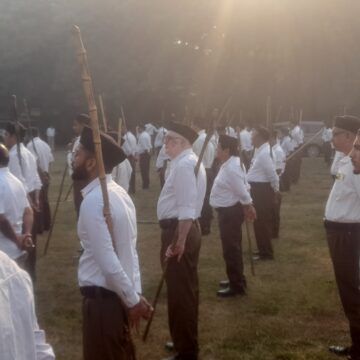
Samras and Sangathan are more than words; they form the blueprint for civilizational renewal. Harmony ensures dissolution of caste, regional, and economic divides, while organization channels collective energy toward dharmic goals. The resolution insists that such a society, guided by sajjan shakti, can offer the world a practical path to enduring peace and cooperation.
Ashvini Kumar Suktas for Divine Rescue and Healing
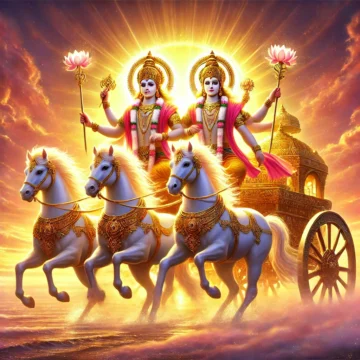
In the Vedic Defense Mantras series, the Ashvini Kumars embody divine rescue—swift, healing, and protective. Where Agni purifies and Indra empowers, the Ashvins intervene directly: healing wounds, restoring communities, and eliminating enemies of dharma. Their suktas teach us that true protection is not passive endurance but active divine intervention for survival and restoration.
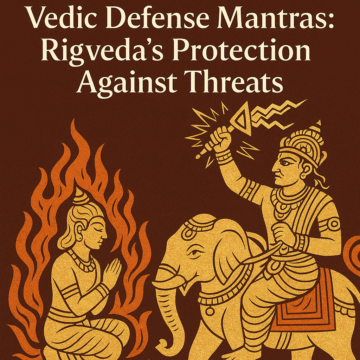
Vedic Defense Mantras: Rigveda’s Protection Against Threats
In an age of ideological conquest and cultural erosion, physical resistance alone is not enough. This blog revives the ancient Rigvedic response to existential threats: Vedic defense mantras. Rooted in dharma and powered by intention, these mantras invoke divine forces to protect truth, neutralize adharma, and spiritually shield communities without compromising the very values they stand for.