
This blog critically examines how Jawaharlal Nehru glorified Islamic invaders through deliberate vocabulary choices that reframed conquest as contribution. By contrasting his admiring language for invaders with his denigrating portrayal of Hindu civilization, the analysis exposes a systematic double standard that shaped Indian historiography, minimized historical trauma, and normalized civilizational subjugation as progress.
Tag: Indian history
How Nehru Portrayed Muhammad Ghori: Darkest Defeat Became ‘Historical Progress’-II
This article examines How Nehru Portrayed Muhammad Ghori by analyzing the narrative techniques used to transform India’s most consequential military defeat into “historical progress.” By tracing linguistic minimization, symbolic erasure, and euphemistic framing, it explains how the civilizational rupture at Tarain was rendered historically weightless, shaping generations of misunderstanding about conquest, sovereignty, and long-term consequences.
Nehru’s Portrayal of Muhammad Ghori: Darkest Defeat Became ‘Historical Progress’-I
The defeat of Prithviraj Chauhan at the Second Battle of Tarain in 1192 marked the most decisive rupture in Indian history, opening North India to centuries of Islamic rule. This article examines how Nehru’s portrayal of Muhammad Ghori reframed permanent conquest as civilizational transition, severing causation from consequence and erasing historical trauma.
Bengal Famine and British Genocides: How Colonial Policies Killed Millions
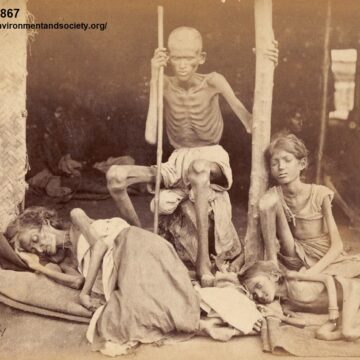
Between 1765 and 1947, British rule caused twelve major famines that killed an estimated 30–60 million Indians. These were not natural calamities but deliberate policy outcomes—tax rigidity, grain exports, and racist governance that turned droughts into genocides. The blog exposes how colonial profit replaced compassion, making famine Britain’s deadliest legacy in India.
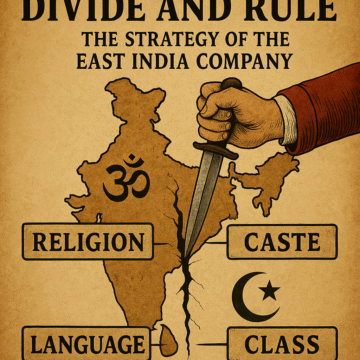
Divide and Rule by East India Company
The British didn’t conquer India by force alone—they conquered it through division. Divide and Rule by East India Company reveals how religion, caste, region, and class were systematically weaponized to keep Bharat fragmented. From Plassey to Partition, it exposes how a civilizational mosaic was turned into a map of conflict and dependency.
East India Company: From Traders to Rulers – The Complete Transformation
The East India Company’s journey from a spice-trading venture to the ruler of India is one of history’s most dramatic transformations. Backed by a royal charter in 1600, it built trading posts, commanded armies, and exploited India’s political cracks. Through Plassey and Buxar, it secured dominance, accelerating the decline of Sanatana culture and Bharat’s sovereignty.
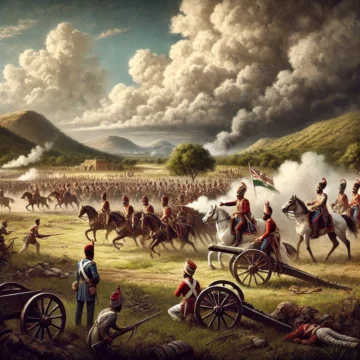
Maratha Empire Decline: Consequences of the Third Anglo-Maratha War
Discover the strategic and cultural ramifications of the Third Anglo-Maratha War as it marked the decline of the Maratha Empire and the rise of British hegemony. The war's conclusion reshaped India’s political landscape, altering military strategies, cultural identities, and social structures, paving the way for the establishment of British rule.
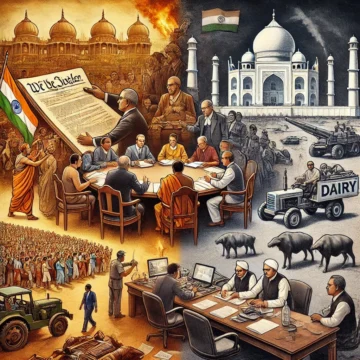
Mumbai Attacks: Reflections on November 26th’s Impact on India’s Path
On November 26th, India commemorates transformative events shaping its socio-political and economic landscape—adopting its Constitution in 1949, experiencing the tragic Mumbai attacks in 2008, and celebrating Verghese Kurien's birth in 1921, whose innovations launched the White Revolution, revolutionizing India's dairy industry.
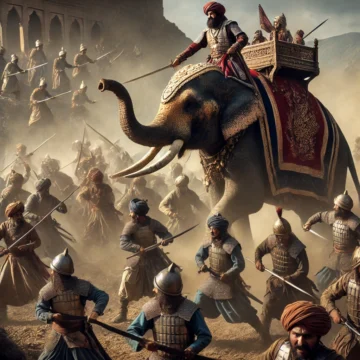
Second Battles of Panipat and Echoes of Valor
Dive into the pivotal battles that shaped Indian history—the First and Second Battles of Panipat. Explore how Hindu King Hemu's ambitions clashed with young Mughal emperor Akbar's forces, shaping the political and cultural landscape of the subcontinent. Understand the immediate aftermath and the enduring legacy of these historical encounters.
Swami Dayanand Saraswati: The Luminary Founder of Arya Samaj II
This installment delves into Swami Dayanand Saraswati's profound impact, examining his revolutionary writings and the societal changes following his demise. We explore how his teachings continue to inspire reform and discuss his significant role alongside contemporaries in shaping modern India's socio-political landscape.
Ambedkar’s Buddhist Conversion: Challenging Caste with New Faith
Dr. B.R. Ambedkar’s conversion to Buddhism was a monumental act that not only shifted religious identities but also challenged entrenched caste hierarchies in India. His decision, rooted in a profound critique of the caste system as institutionalized in Hindu doctrines, sparked a significant dialogue on equality and social reform.
Akbar & Mughal Challenges: Battle of Tughlaqabad and Hemu’s Stand
Explore the pivotal Battle of Tughlaqabad where Hemu, a visionary Hindu king, remarkably challenged the burgeoning Mughal forces under Akbar. This blog delves into the tactical genius of Hemu and the broader socio-political implications of his stand against the Mughal expansionist agenda in 1556.
Jyotirao Phule and the Dawn of Social Reform
Jyotirao Phule, born in 1827 and founder of the Satyashodhak Samaj, challenged the entrenched norms of 19th-century society. Through the lens of "Dharma and Ethics," this blog explores Phule's profound moral and spiritual reforms that transcended caste and gender discrimination, advocating for a practical application of Dharma in social reform.
Poona Pact: Colonial Legacies and Enduring Divisions in Hindu Society
The Poona Pact of 1932, brokered amidst India's freedom struggle, was a crucial agreement between Gandhi and Ambedkar under British colonial influence. It aimed to preserve Hindu unity while addressing caste disparities, setting a stage for future social reforms and the ongoing discourse on affirmative action and equality in modern India.
India: Historical Events of the 39th Week
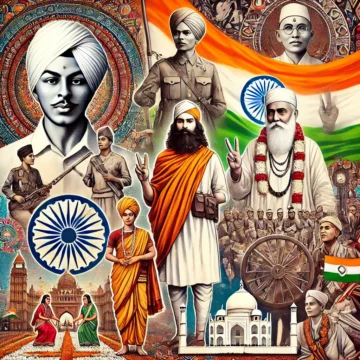
Explore the transformative events of India's 39th week across centuries. From Bhagat Singh's revolutionary zeal and Sankardev's spiritual contributions to Guru Nanak's enduring teachings and the ceasefire of the 1965 Indo-Pak War, this blog illuminates how these moments have significantly shaped India's cultural and political landscapes.
Sanatan Dharma and Caste Evolution: Navigating the Pros and Cons
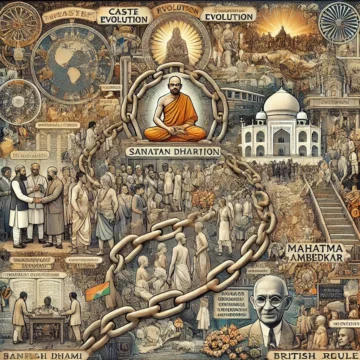
Explore the intricate layers of caste evolution within Sanatan Dharma through historical periods like the Mughal era and British colonial rule. Witness how figures like Mahatma Gandhi and B.R. Ambedkar shaped the modern perceptions and roles within the caste system, and delve into the ongoing debates over nepotism and caste-based privileges.
Riots in Kohat and Forgotten Exodus: Kashmir Exodus 1.0
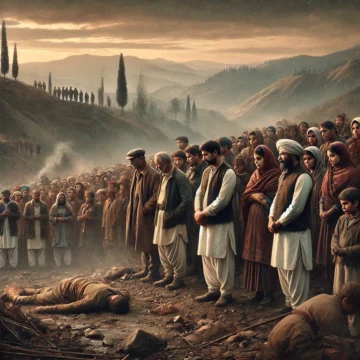
The riots in Kohat of 1924 and the 1989 exodus of Kashmiri Pandits share a legacy of communal violence under differing political regimes. This blog explores the catalysts, impacts, and enduring lessons of these events, shedding light on the complexities of Hindu-Muslim relations in India's fraught historical landscape.
World War 2 in Bharat: The Battle Against Japanese Forces K
During World War II, India, still under British rule, faced the looming threat of Japanese invasion. This fear catalyzed a series of political and military responses that not only shaped wartime strategies but also invigorated India's push for independence. The blog explores the profound impact of these events on India’s geopolitical landscape and its path to sovereignty.
Terrorist Attack and Chamba Massacre – A Tragic Event
On August 3, 1998, the Chamba district in Himachal Pradesh witnessed a horrific act of violence as militants attacked, leaving 35 dead. This massacre not only scarred the community but also marked a critical point for India's national security and its battle against cross-border terrorism.
Vijayanagar Dynasty: Among Ten Most Influential Dynasties in Bharat’s History
The rich tapestry of India's history is marked by influential dynasties that shaped its cultural, political, and social landscape. Among these, the Vijayanagar Dynasty stands out for its resilience and prosperity in southern India. This blog explores the contributions of ten significant dynasties, including the Maurya, Gupta, and Vijayanagar dynasties, highlighting their unique impacts and legacies that have left indelible marks on Indian history.