
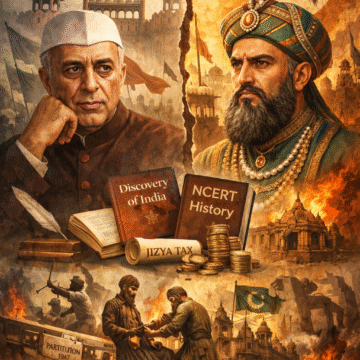
This analysis examines how Aurangzeb in Nehru's Praise emerged not as accidental interpretation but as political necessity during 1944–46. By humanizing systematic persecution through virtue-first framing and euphemistic language, Nehruvian historiography reshaped textbook narratives, public memory, and debates on Islamic rule, leaving a seventy-year imprint on India’s historical consciousness.
Tag: Jawaharlal Nehru
India-China Border Tensions: A Strategic Analysis
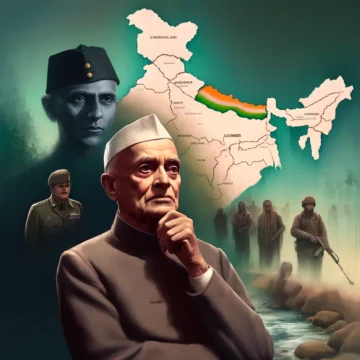
This blog provides a strategic analysis of the pivotal 1962 India-China conflict, exploring its profound impact on bilateral relations and regional geopolitics. It delves into Nehru's controversial leadership decisions, the immediate military responses, and the enduring lessons that shape today's strategic policies between the two Asian giants.
India Independence Day Decided Seven Seas Away
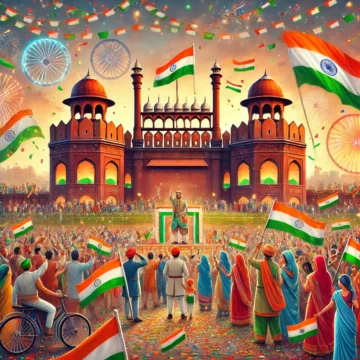
Each August 15th, India bursts into celebrations for India Independence Day, marking its liberation from British rule. This blog delves into the Indian Independence Act of 1947, exploring the political strategies and pivotal decisions that sculpted this momentous day, unveiling the layers of struggle and triumph that defined the era.
Jawaharlal Nehru: Continued British Raj Legacy Post-Independence
Explore the lesser-known aspects of Jawaharlal Nehru's leadership, focusing on the controversial policies and administrative decisions that have shaped modern India. This critical analysis delves into the complexities of his tenure, examining the enduring impacts on India's political landscape, and highlighting the debates that continue to surround his legacy in shaping a post-colonial nation.