

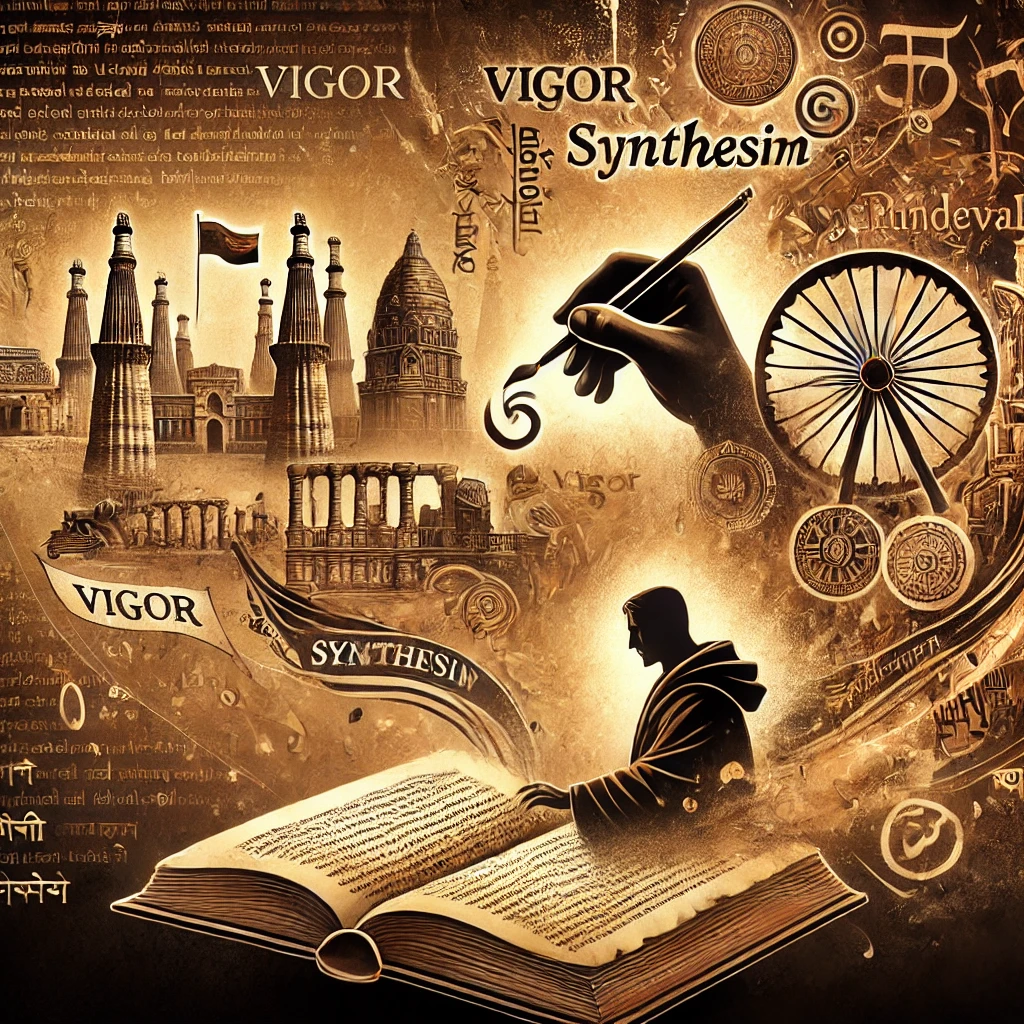
Nehru Glorifying Islamic Invaders: The ‘Vigorous and Virile’ Narrative
Part 4/#5: Nehru’s View on Islamic Invaders
भारत/GB
How Language Transforms Conquest Into Contribution
Continuing the pattern of Nehru glorifying Islamic invaders, we see that it extends beyond mere omission and operates through deliberate linguistic choices that reshape historical reality. In our previous examinations of Nehru’s historical narrative, the Mathura massacre, and how Nehru portrayed Muhammad Ghori, we documented what he omitted. Now we must analyze how he described what remained—because the vocabulary itself reveals the bias.
When Jawaharlal Nehru wrote about Islamic invasions in The Discovery of India, he employed a specific lexicon that consistently elevated conquerors while diminishing Hindu civilization. This wasn’t accidental wordsmithing—it was systematic linguistic reframing designed to make permanent conquest appear as civilizational advancement. The technique transforms military subjugation into cultural synthesis, religious persecution into administrative reform, and genocidal campaigns into historical progress.
This blog examines the vocabulary Nehru chose, the adjectives he deployed, and the rhetorical patterns he established. By comparing his treatment of Islamic invaders versus Hindu rulers, we reveal a double standard so consistent it could not have been unconscious. This is history written in code—where “vigorous” means violent, “fresh” means foreign, and “new vitality” means the end of Hindu sovereignty.

The Vocabulary of Glorification: Words That Reframe Reality
Invaders as “Vigorous Warriors” and “Fresh Energy”
Throughout The Discovery of India, Nehru describes Islamic invaders using language that emphasizes vitality, strength, and progressive force. Consider these representative examples:
On the Delhi Sultanate:
“The Turks and Afghans who came to India were vigorous and virile, and they brought with them a new vitality and fresh energy which acted as a tonic to an old and somewhat static civilization.”
On Muhammad Ghori:
“With the coming of the Turks came new life and vigor, a new impulse which affected Indian society powerfully and permanently… They brought fresh ideas and a vigorous way of life.”
On Mahmud of Ghazni:
“These invasions brought new currents of life and thought… The old order was shaken up and made to adapt to new conditions.”
Let us decode this vocabulary systematically:
| Nehru’s Term | Literal Historical Reality | Rhetorical Function |
|---|---|---|
| “Vigorous and virile” | Military conquest through superior cavalry | Masculine admiration replaces moral judgment |
| “New vitality” | Permanent Islamic rule replacing Hindu sovereignty | Makes loss of independence sound like rejuvenation |
| “Fresh energy” | Forced conversion and jizya taxation | Conquest becomes energizing rather than oppressive |
| “New currents of life” | Temple destruction and enslaved populations | Genocide becomes cultural infusion |
| “Shaken up” | Civilizational rupture at Tarain | Violent disruption becomes positive disruption |
| “Adapt to new conditions” | Dhimmitude and systematic subjugation | Survival becomes synthesis |
Through this vocabulary, acts of conquest are consistently presented as civilizational contribution.
The “Synthesis” Euphemism: Making Subjugation Sound Mutual
Nehru’s favorite conceptual tool was “synthesis”—a word suggesting mutual contribution and voluntary blending. But examine how he deploys it:
On Indo-Islamic culture:
“Out of this conflict and interaction came a synthesis, an Indo-Islamic culture which borrowed from both but was neither one thing nor the other. It was a new creation, a fusion of the two.”
This framing erases asymmetry. In reality:
- One party arrived with swords
- One party was conquered
- One party destroyed the other’s temples
- One party imposed its legal system
- One party collected discriminatory taxes
This is labelled as synthesis.
Yet Nehru’s “synthesis” language makes this sound like collaborative cultural evolution. As we documented in Political Islam vs Sanatan Dharma, Mughal governance operated on doctrinal principles that categorically denied Hindu civilizational equality. The partition demographic catastrophe later revealed what this “synthesis” produced—a safety asymmetry rooted in theological categorization.
In such conditions of unilateral destruction, the term “synthesis” functions as a linguistic misrepresentation rather than a neutral description.
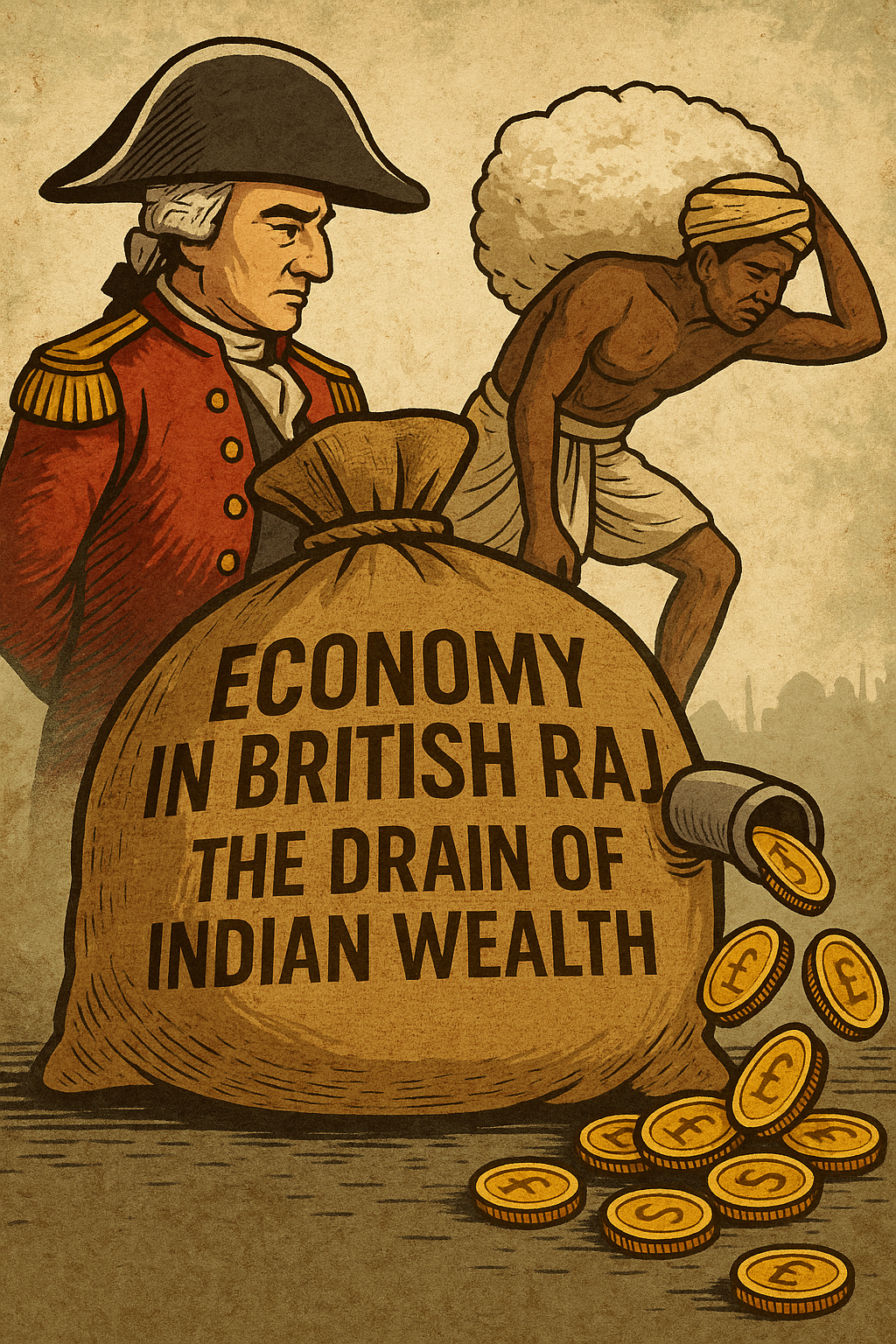
The Vocabulary of Denigration: How Hindu Civilization Gets Described
Static, Decadent, and “In Need of Reform”
While Islamic invaders receive admiring adjectives, Hindu society gets portrayed through language of stagnation and decay. The contrast is systematic:
On pre-Islamic India:
“Indian society had become somewhat static and rigid… The caste system had grown oppressive, thought had become stereotyped, and there was a lack of that dynamic energy which leads to growth.”
On Hindu rulers:
“The old Hindu kingdoms were divided and weak, often fighting among themselves… They had become soft and complacent, lacking the martial vigor that had once characterized them.”
On Hindu resistance to Islamic rule:
“This resistance was often narrow-minded and reactionary, seeking to preserve old customs rather than adapt to changing times.”
Notice the pattern:
| Hindu Society/Rulers | Islamic Invaders | Implication |
|---|---|---|
| “Static and rigid” | “Vigorous and virile” | Hindus needed disruption |
| “Stereotyped thought” | “Fresh ideas” | Islamic conquest intellectually beneficial |
| “Lack of dynamic energy” | “New vitality” | Invasion provided necessary vitality |
| “Divided and weak” | “Centralized power” | Conquest brought superior organization |
| “Soft and complacent” | “Martial vigor” | Hindus deserved conquest for weakness |
| “Narrow-minded resistance” | “Adapting to change” | Defending sovereignty = backwardness |
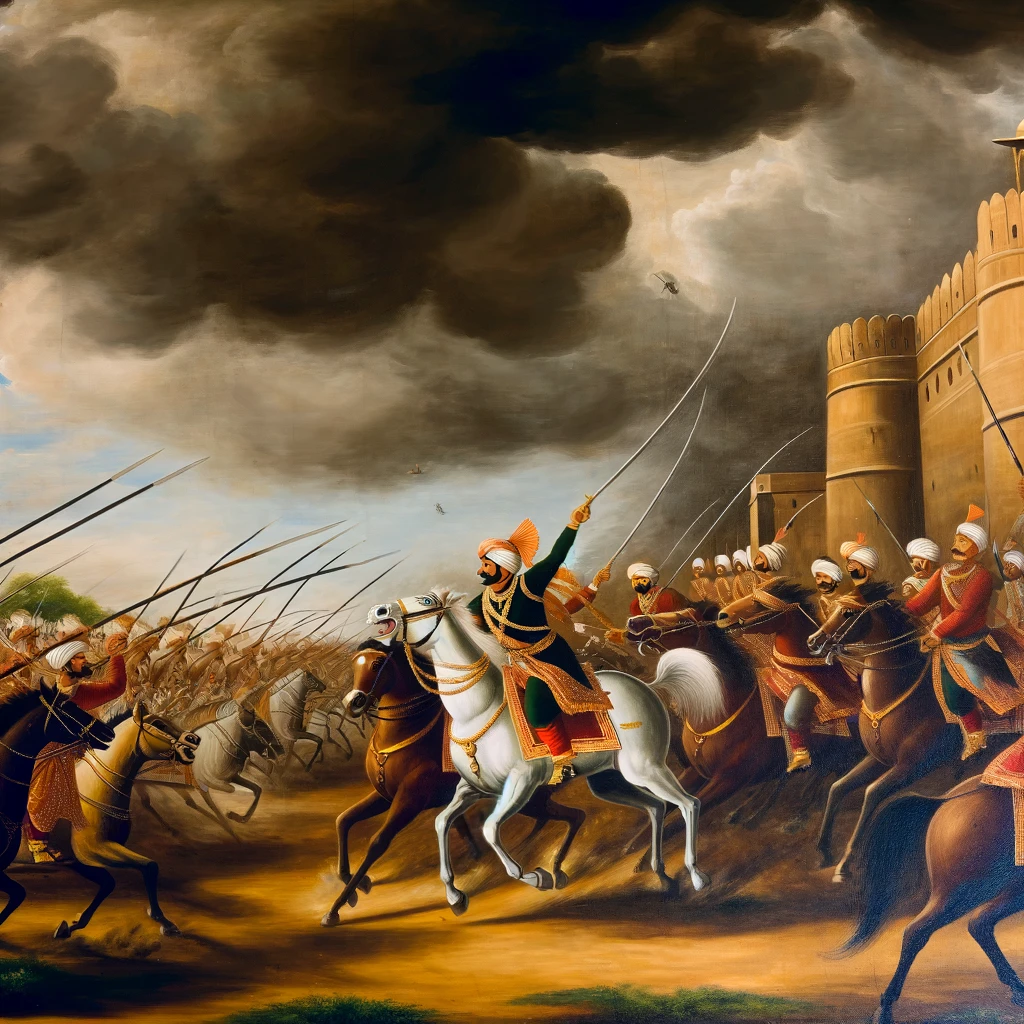
Maharana Pratap’s legendary resistance to Akbar receives minimal treatment, while Akbar’s “tolerance” gets celebrated. The Battle of Haldighati demonstrated that Hindu martial valor had not diminished—but Nehru’s narrative needed Hindus to appear “soft” to justify conquest as necessary rejuvenation.
The Caste System as Civilizational Weakness
Nehru repeatedly invokes caste as evidence that Hindu society “needed” Islamic disruption:
“The rigidity of the caste system had paralyzed Indian society… The coming of Islam, with its message of equality, was in some ways a breath of fresh air.”
This argument deserves scrutiny:
Historical reality: Islamic rule did not end caste. The jizya tax system created a new hierarchical oppression—Muslims over non-Muslims—while leaving Hindu caste structures intact. As documented in Islamic doctrinal history, Islamic governance operated on theological classifications (mu’min, kafir, mushrikūn) that were equally rigid and far more violent in application.
The contradiction: If Hindu society was so “rigid and oppressive,” why did millions resist Islamic rule for centuries? The Maratha Empire’s rise under Shivaji Maharaj demonstrated that Hindu civilization retained immense vitality—contradicting Nehru’s “static society” framework.
The premise of caste as a societal ill, itself, is flawed. What is commonly described as a rigid ‘caste system’ was not an original civilizational feature of Sanatana Dharma but a historically engineered distortion. As detailed in our blog Sanatana Dharma and Caste Divide, British colonial administration—through census classification, legal codification, and divide-and-rule governance—froze social distinctions into rigid caste identities and weaponized them as markers of permanent inequality.
In addition, Guru Tegh Bahadur’s martyrdom demonstrates that Mughal “equality” meant forced conversion or death, not social reform.
Comparative Analysis: The Double Standard in Practice
Example 1: Military Prowess
Islamic Invaders:
“The Turkish cavalry was magnificently organized, displaying brilliant military tactics and unstoppable force. Their conquests showed strategic brilliance that India had not seen before.”
Hindu Resistance:
“The Rajput rulers fought bravely but futilely, unable to adapt to new forms of warfare. Their outdated tactics and internal divisions made resistance impossible.”
Historical correction: The Second Battle of Panipat and Battle of Tughlaqabad demonstrated Hindu military excellence. Hemu nearly defeated Akbar, and only a chance arrow changed history.
Example 2: Administrative Ability
Islamic Rulers:
“The Sultans of Delhi brought efficient administration and centralized governance. They created sophisticated revenue systems that modernized India’s economy.”
Hindu Kingdoms:
“Hindu administration was fragmented and inefficient, with local chiefs ruling in chaotic independence without unified purpose.”
Historical correction: The Vijayanagara Dynasty demonstrated sophisticated Hindu governance for over 200 years, creating one of the world’s wealthiest empires.
Example 3: Cultural Contribution
Islamic Influence:
“Islamic civilization brought new architectural forms, refined literary traditions, and philosophical depth that enriched India immeasurably. The synthesis of Hindu and Islamic culture created masterpieces.”
Hindu Contribution:
“Hindu culture, while ancient and valuable, had become inward-looking and resistant to change. It needed the stimulus of Islamic contact to regain vitality.”
Historical correction: India’s oldest temples, including the Kailasa Temple at Ellora, represent architectural achievements that Islamic architecture could not match in complexity or scale. Aurangzeb tried to destroy Kailasa and failed—yet Nehru positions Islamic culture as the civilizationally superior force.
Taken together, these comparisons expose the core distortion in Nehru’s framing: political conquest was mistaken for civilizational superiority. Civilizations across the Americas, West Asia, Europe, and much of Asia rose and were buried within a millennium or two, while Hindu civilization alone endured as a living continuum.
The Psychological Function: Making Conquest Acceptable
Why This Vocabulary Matters
Nehru glorifying Islamic invaders wasn’t just about historical description—it served a political function in 1946. By making conquest sound like contribution, Nehru accomplished several psychological goals:
1. Reduced Hindu Grievance If invasions brought “new vitality” rather than destruction, why should Hindus resent them? The vocabulary transforms victims into beneficiaries.
2. Validated Islamic Pride Muslims could feel proud of their historical role in India because their ancestors “modernized” and “energized” Hindu society rather than merely conquering it.
3. Justified Secularism If Hindu-Islamic interaction produced “synthesis” rather than subjugation, then secular governance becomes the natural political conclusion of this historical collaboration.
4. Delegitimized Hindu Nationalism Anyone seeking to restore Hindu sovereignty could be dismissed as “narrow-minded” and “reactionary”—the same adjectives Nehru used for pre-Islamic Hindu resistance.
This also explains the persistence of such framing even after Partition exposed the collapse of the “synthesis” narrative, as the vocabulary itself had solidified into ideologicala infrastructure.
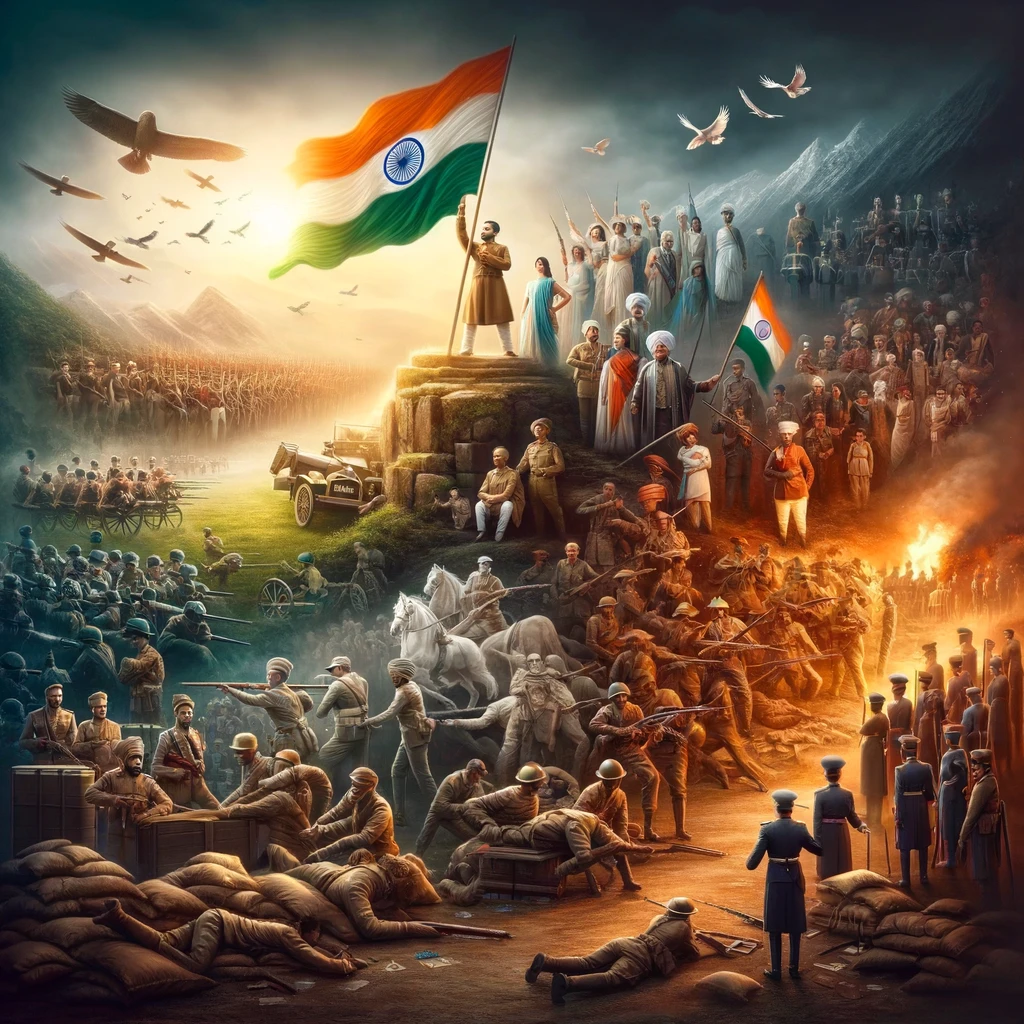
The Pattern Across Invaders: From Ghazni to Aurangzeb
Mahmud of Ghazni: Destroyer Becomes Art Appreciator
As documented in our Mathura massacre analysis, Nehru transformed Mahmud’s temple destructions into architectural appreciation. The vocabulary shift is revealing:
Mahmud’s chroniclers recorded: “The Sultan destroyed the idols and temples of the infidels and killed the priests.”
Nehru rewrote this as: “Mahmud was impressed by the magnificence of Indian architecture and the wealth accumulated in the temples.”
Observe the distortion:
Notice how “destroyed” becomes “impressed,” genocide becomes omission, and plunder becomes cultural appreciation. The vocabulary launders the crime.
Muhammad Ghori: Conqueror Becomes Civilization-Builder
In How Nehru Portrayed Muhammad Ghori, we showed how the defeat at Tarain—which ended Hindu sovereignty in North India—became “historical progress” through linguistic alchemy:
Historical reality: Permanent conquest and forced conversion
Nehru’s framing: “The establishment of Turkish rule brought administrative efficiency and new systems of governance that laid foundations for later development.”
The vocabulary transforms civilizational catastrophe into institutional modernization.
Akbar: Theocrat Becomes Tolerant Visionary
Nehru’s treatment of Akbar represents the peak of glorification. Despite Akbar’s early career including the Chittor massacre where 30,000 civilians died, Nehru writes:
“Akbar stands out as one of the greatest figures in Indian history, comparable only to Ashoka. His vision of tolerance, his administrative genius, and his attempt at religious synthesis through Din-i-Ilahi mark him as far ahead of his time.”
Every negative becomes a positive through vocabulary:
- Early massacres = learning period (omitted entirely)
- Din-i-Ilahi’s failure = “noble attempt”
- Jizya abolishment = proof of tolerance (ignoring reimposition under Aurangzeb)
- Rajput marriages = “cultural synthesis” (ignoring power dynamics)
Aurangzeb: Zealot Becomes “Hardworking and Sincere”
Even Aurangzeb—who destroyed thousands of temples and reimposed jizya—receives softening vocabulary:
“Aurangzeb was hardworking, sincere, and devout. His narrow religious ideas limited his vision, but his administrative ability was considerable.”
As detailed in Aurangzeb’s Tyrannical Monuments, his “administrative ability” included systematic temple destruction at Kashi Vishwanath and Krishna Janmabhoomi. Yet Nehru’s vocabulary humanizes him—”hardworking” and “sincere” create sympathy before mentioning “narrow ideas.”
Personal virtues get emphasized BEFORE atrocities, softening moral judgment.
The Broader Implications: Language as Historical Weapon
How Vocabulary Shapes National Consciousness
When generations read that Islamic invasions brought “vigor” to “static” Hindu society, they internalize civilizational inferiority. The vocabulary doesn’t just describe history—it programs perception:
Effect 1: Historical Amnesia: If conquest was beneficial (“new vitality”), why remember the trauma? Vocabulary justifies forgetting.
Effect 2: Moral Neutrality: If invaders were “vigorous warriors” rather than religious conquerors, their actions become morally neutral military history rather than targeted civilizational assault.
Effect 3: Contemporary Policy: If Hindu-Islamic “synthesis” produced cultural richness, then policies maintaining separation become retrograde. Vocabulary justifies one-way accommodation.
This explains the continuing relevance of analyzing Nehru glorifying Islamic invaders—the vocabulary established in 1946 still shapes educational curricula, political discourse, and judicial reasoning in 2026.
The Cost of Euphemistic History
Consider what gets lost when “vigorous and virile” replaces “violent and brutal”:
Lost: The scale of destruction: Guru Arjan Dev’s martyrdom becomes a footnote rather than evidence of systematic persecution.
Lost: The doctrinal motivation: Islamic texts’ polytheist verdict gets erased, making religious persecution appear as political conflict.
Lost: The civilizational resilience: Maratha resistance under Shivaji demonstrates Hindu vitality—contradicting Nehru’s “static society” framework.
Lost: The demographic consequences: Partition’s demographic catastrophe reveals what “synthesis” actually produced—a safety asymmetry based on theological classifications.
Such sanitization of vocabulary ultimately limits the ability to articulate historical truth.
Case Studies: Vocabulary in Action
Case Study 1: The Battle of Tarain (1192)
Historical Fact: Muhammad Ghori’s victory at the Second Battle of Tarain opened North India to permanent Islamic conquest. Prithviraj Chauhan’s defeat ended Hindu sovereignty in Delhi for over 600 years.
Nehru’s Vocabulary:
“The Turkish conquest brought new administrative systems and centralized governance that India had not seen under the fragmented Hindu kingdoms.”
Analysis:
- “Turkish conquest” → neutralizes religious dimension
- “New administrative systems” → makes conquest sound progressive
- “Centralized governance” → implies improvement over Hindu rule
- “Fragmented Hindu kingdoms” → blames victims for their conquest
The vocabulary transforms civilizational catastrophe into administrative upgrade.
Case Study 2: Temple Destruction Campaigns
Historical Fact: Mahmud of Ghazni destroyed thousands of temples including Somnath, documented in Persian chronicles as acts of religious purification.
Nehru’s Vocabulary:
“These invasions brought new currents of thought and challenged the old order to adapt to changing circumstances.”
Analysis:
- “New currents” → genocide becomes intellectual stimulation
- “Old order” → Hindu civilization positioned as outdated
- “Adapt” → destruction becomes opportunity for growth
- “Changing circumstances” → conquest becomes inevitable progress
In this framing, the concrete reality of temple destruction is displaced by abstract references to “change.”
Case Study 3: The Delhi Sultanate’s Governance
Historical Fact: The Delhi Sultanate operated under Islamic law, imposing jizya, destroying temples, and enforcing conversion through violence. Contemporary accounts like Taj-ul-Ma’asir explicitly celebrate religious conquest.
Nehru’s Vocabulary:
“The Sultans brought order out of chaos and established efficient revenue systems that modernized India’s economy.”
Analysis:
- “Order out of chaos” → Hindu kingdoms were “chaotic” (unsubstantiated)
- “Efficient revenue systems” → jizya becomes administrative innovation
- “Modernized economy” → extraction becomes development
Religious persecution becomes economic modernization through vocabulary alone.

The Counter-Narrative: What Neutral Language Would Look Like
If Nehru had written without bias, compare these alternatives:
| Nehru’s Glorifying Vocabulary | Neutral Historical Description |
|---|---|
| “Vigorous and virile Turks brought new vitality” | “Turkish military conquest established Islamic rule through superior cavalry tactics” |
| “Fresh ideas and new energy stimulated Indian society” | “Forced conversion and temple destruction imposed Islamic governance on Hindu populations” |
| “Synthesis of Hindu-Islamic culture created new forms” | “Under Islamic political dominance, some cultural blending occurred alongside systematic religious persecution” |
| “Administrative efficiency and centralized power” | “Autocratic sultanate replaced diverse Hindu kingdoms, imposing jizya taxation on non-Muslims” |
| “Static Hindu society needed external stimulus” | “Hindu civilization maintained continuity for millennia despite invasion pressures” |
Neutral language describes what happened without the glorifying adjectives. Nehru’s consistent choice of admiring vocabulary reveals intentional bias.
Why This Matters: The Legacy of Linguistic Manipulation
Contemporary Consequences
Nehru glorifying Islamic invaders through vocabulary established patterns that persist:
In Education: NCERT textbooks still describe invasions using Nehruvian euphemisms—”cultural contact,” “synthesis,” “modernization”—rather than conquest, persecution, and resistance.
In Politics: Anyone using non-euphemistic language about Islamic invasions gets accused of “communalism”—because Nehru’s vocabulary became the accepted neutral baseline.
In Law: The Waqf Amendment Act debates reveal how historical vocabulary shapes property rights—if Islamic rule was “synthesis” rather than conquest, why shouldn’t conquered land remain waqf property?
In Identity: Yogi Adityanath’s safety question about Hindu minorities in Muslim-majority areas gets dismissed as provocative—because Nehruvian vocabulary denies that historical patterns might predict contemporary outcomes.
The Path to Intellectual Honesty
Confronting Nehru’s linguistic manipulation requires:
1. Vocabulary Awareness Recognize that “vigorous,” “synthesis,” and “modernization” are glorifying euphemisms, not neutral descriptions.
2. Source Comparison Read Persian chronicles alongside Nehru to see what his vocabulary erased—they openly celebrate religious conquest that Nehru’s language obscures.
3. Pattern Recognition Notice the systematic double standard: admiring adjectives for invaders, denigrating vocabulary for Hindu civilization.
4. Contemporary Vigilance Reject euphemistic framing in current discourse—”cultural exchange” for forced conversion, “diversity” for demographic displacement, “tolerance” for one-way accommodation.
History written in euphemisms produces citizens who cannot recognize patterns, defend boundaries, or learn from the past.
The Uncomfortable Question
Was this hatred for Hindus and Hindu culture that qualified him as first choice as PM for Gandhi?
When you consistently describe your own civilization as “static,” “rigid,” “decadent,” and “in need of external stimulus” while glorifying its conquerors as “vigorous,” “virile,” and bringing “fresh energy”—this isn’t neutral historical analysis. This is civilizational self-loathing.
Gandhi chose Nehru over Patel despite Patel’s superior organizational ability, despite the Congress Working Committee’s preference for Patel, despite warnings about Nehru’s political inexperience. Why?
Because post-Partition India needed someone who could:
- Make Hindus accept their own subjugation as “beneficial”
- Transform Hindu grievance into guilt about “backwardness”
- Glorify Islamic rule to justify Muslim appeasement
- Denigrate Hindu civilization to legitimize secular erasure
The Power of Honest Language
Nehru glorifying Islamic invaders through vocabulary choice wasn’t incidental—it was systematic reframing designed to make conquest acceptable and resistance backward. By consistently choosing admiring adjectives for invaders (“vigorous,” “virile,” “fresh”) while describing Hindu civilization through language of stagnation (“static,” “rigid,” “decadent”), he established a double standard that persists in Indian historiography.
This linguistic manipulation served political goals in 1946—building a secular India required minimizing civilizational conflict. But the cost was intellectual honesty. When “synthesis” replaces “subjugation,” when “modernization” replaces “conquest,” and when “tolerance” replaces “forced conversion,” history becomes propaganda.
The path forward requires recognizing euphemisms for what they are—rhetorical tools that obscure rather than illuminate. Whether analyzing Nehru’s writings or contemporary discourse, the question remains: does the vocabulary reveal or conceal? Does it clarify or confuse? Does it honor victims or erase them?
Language shapes consciousness. Honest language about conquest, persecution, and resistance doesn’t create division—it creates understanding. And only understanding can produce genuine reconciliation built on truth rather than euphemism.
In our next post, we’ll examine Nehru’s comparative treatment of Akbar versus Hindu rulers—revealing how the double standard operated through direct comparison rather than just vocabulary choice.
Feature Image: Click here to view the image.
Videos
Glossary of Terms
- Jawaharlal Nehru: India’s first Prime Minister and author of The Discovery of India, whose historical language is critically examined for glorifying Islamic invasions.
- The Discovery of India: Nehru’s 1946 book that shaped post-independence Indian historiography and popularized euphemistic descriptions of Islamic conquests.
- Linguistic Reframing: The deliberate use of positive or neutral language to reinterpret violent historical events as progressive or beneficial.
- Islamic Invaders: Foreign rulers such as Mahmud of Ghazni, Muhammad Ghori, Delhi Sultans, and Mughals who established Islamic rule in India through conquest.
- Muhammad Ghori: Turkish ruler whose victory at the Second Battle of Tarain (1192) ended Hindu sovereignty in North India.
- Mahmud of Ghazni: Islamic invader known for repeated temple destructions, including Somnath, reframed by Nehru as culturally appreciative.
- Delhi Sultanate: Islamic regime ruling large parts of India (1206–1526), enforcing Islamic law, jizya, and temple destruction.
- Jizya: A discriminatory tax imposed on non-Muslims under Islamic rule, often portrayed as administrative reform.
- Dhimmitude: Subordinate legal status of non-Muslims under Islamic governance.
- Indo-Islamic Synthesis: A euphemistic term suggesting mutual cultural blending despite asymmetrical conquest and domination.
- Sanatana Dharma: Indigenous Hindu civilizational framework, misrepresented as static or regressive in Nehruvian historiography.
- Battle of Tarain (1192): Decisive battle leading to permanent Islamic rule in North India.
- Temple Destruction Campaigns: Systematic demolition of Hindu temples recorded in Persian chronicles as religious acts.
- Akbar: Mughal ruler praised by Nehru for tolerance despite documented massacres and Islamic governance.
- Aurangzeb: Mughal emperor who reimposed jizya and destroyed major temples, softened in Nehru’s descriptions.
- Civilizational Amnesia: Loss of collective memory caused by euphemistic historical narratives.
- Euphemistic History: Historical writing that masks violence using abstract or positive terminology.
- Partition Demographic Catastrophe: Mass violence and displacement during 1947, contradicting the “synthesis” narrative.
- Persian Chronicles: Contemporary Islamic sources openly celebrating conquest and religious destruction.
- Double Standard: Systematic glorification of invaders while denigrating Hindu rulers and resistance.
#Nehru #IndianHistory #HinduCivilization #IslamicInvasions #MuhammadGhori #Tarain1192 #IndianHistory #NehruHistoriography #HinduinfoPedia #Nehru #NehrusviewonIslamicinvaders
References
Mughal Period and Islamic Governance:
- Political Islam vs Sanatan Dharma: Yogi Adityanath’s Lessons from Mughals – How Mughal governance reveals doctrinal foundations rather than individual tolerance
- Akbar & Mughal Challenges: Battle of Tughlaqabad and Hemu’s Stand – Hindu military excellence that Nehru’s “static society” narrative ignores
- Islamic Doctrinal History: From Ridda Wars to Love Jihad – 1400 years of doctrinal implementation that “synthesis” language obscures
Hindu Resistance and Resilience:
- Maharana Pratap: History Unveiled – Rajput valor demonstrating Hindu civilization’s vitality despite Nehru’s “soft and complacent” framing
- Chhatrapati Shivaji Maharaj – Maratha resistance proving Hindu sovereignty remained achievable
- Battle of Salher – Military genius contradicting narrative of Hindu martial decline
Martyrdom and Persecution:
- Guru Tegh Bahadur: Legacy of a Martyr – Mughal “tolerance” meant forced conversion or death
- Guru Arjan Dev Martyrdom – Islamic fundamentalism’s consequences that euphemistic language erases
- Ahmad Shah Abdali and Vadda Ghalughara Massacre – 30,000 Sikhs killed in “vigorous” Islamic military operations
Demographic and Safety Patterns:
- Partition Demographic Catastrophe – What “synthesis” actually produced: safety asymmetry and demographic collapse
- Yogi Adityanath on Coexistence: Historical Evidence – Why peaceful trade contact differs from conquest encounters
- Hindu Haq Is Denied – Theological foundations that Nehru’s vocabulary obscures
British Colonial Period (Continuation of Patterns):
- British Loot and Industrialize – Another conquest glorified through euphemisms of “development” and “modernization”
- Bengal Famine and British Genocides – 30-60 million deaths through policies called “efficient administration”
- Divide and Rule by East India Company – How vocabulary of “unity in diversity” masked deliberate fragmentation
Reading About Nehru:
- How Nehru Continued British Raj Legacy in Post-Independence India
- India’s Independence Day: Decided Seven Seas Away
- Kohat Riots and Forgotten Exodus
- India-China Border Tensions: A Strategic Analysis
- Gandhi’s Murder: Was Nehru Involved?
- Nehru’s Policy Analysis: Its Impact on Independent India
- Ambedkar’s Buddhist Political Move: Divergence from Gandhi on Caste Issues
For Nehru’s Discovery of India:
- Full text: https://archive.org/details/TheDiscoveryOfIndia
- Searchable version: https://archive.org/details/in.ernet.dli.2015.461556
Historical Accounts of Temple Destructions:
- Richard Eaton’s Temple Desecration Data:
- ASI Reports on Ayodhya:
- Somnath Temple History:
- https://archive.org/details/in.ernet.dli.2015.530148 (K.M. Munshi’s Somnath: The Shrine Eternal)
Aurangzeb’s Firmans and Orders:
- https://www.aurangzeb.info/ (Collection of translated firmans)
- https://archive.org/details/in.ernet.dli.2015.53835 (Maasir-i-Alamgiri)
For Massacre Numbers and Historical Events:
- Will Durant’s “Story of Civilization” (Islamic conquest chapter):
- Jadunath Sarkar’s Works:
- History of Aurangzeb: https://archive.org/details/historyofaurangz01sark
- Fall of Mughal Empire: https://archive.org/details/fallofmughalempire01sarkuoft
- Sita Ram Goel’s “Hindu Temples: What Happened to Them”:
For Specific Incidents:
- Nalanda Destruction accounts: https://archive.org/details/in.gov.ignca.27883
- Guru Tegh Bahadur martyrdom: https://www.sikhiwiki.org/index.php/Martyrdom_of_Guru_Tegh_Bahadur
- Prithviraj Raso: https://archive.org/details/PrithvirajRaso
List of Previous Blogs
- https://hinduinfopedia.in/nehrus-historical-narrative-how-he-shaped-indian-histography/
- https://hinduinfopedia.in/nehrus-intentional-omissions-mathura-massacre-and-appreciation/
- https://hinduinfopedia.org/nehrus-portrayal-of-muhammad-ghori-i/ https://hinduinfopedia.in/?p=24532
Follow us:
- English YouTube: https://www.youtube.com/@Hinduofficialstation
- Hindi YouTube: https://www.youtube.com/@HinduinfopediaIn
- X: https://x.com/HinduInfopedia
- Instagram: https://www.instagram.com/hinduinfopedia/
- Facebook: https://www.facebook.com/Hinduinfopediaofficial
- Threads: https://www.threads.com/@hinduinfopedia
Leave a Reply