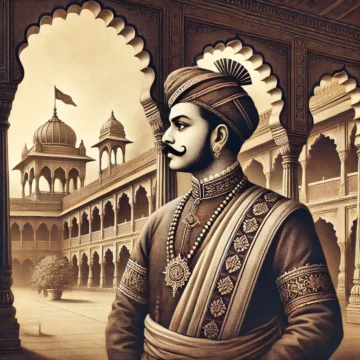

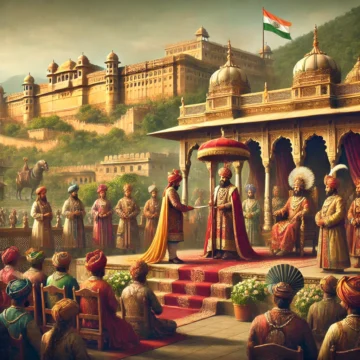
In the rich tapestry of Jaipur's history, the peaceful transition of power from Maharaja Bhim Singh to Ratan Singh in 1537 stands as a testament to the Kachwaha dynasty's strategic foresight. This significant event not only marked the end of Bhim Singh's reign but also heralded a new era under Ratan Singh's leadership, characterized by continuity in governance and cultural patronage. The detailed accounts of their reigns and the ceremonial traditions followed during the transfer offer a glimpse into the political and cultural dynamics of early 16th century Jaipur.
Indian Education System Analyzed on Day of Establishment of Universities
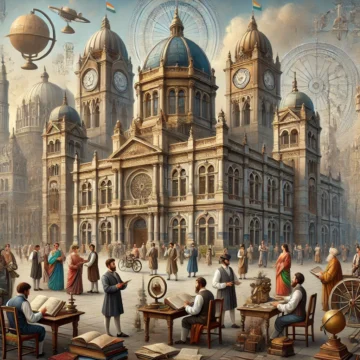
This blog marks the 166th anniversary of India’s first universities—Mumbai, Madras, and Calcutta—exploring their roles in shaping modern Indian education. We critically examine the colonial impact and its dual legacy, revealing how British policies not only advanced but also eroded India's rich educational traditions, deeply influencing the cultural and societal fabric.
Riots in India Analyzed through Calcutta riots 1926
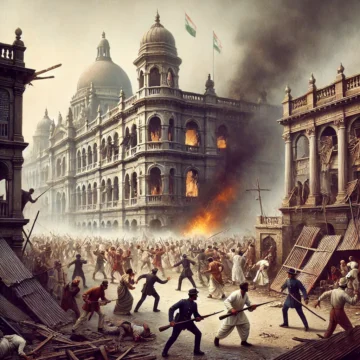
The Calcutta Riots of 1926 stand as a grim testament to the severe communal discord during the British Raj. Sparked on 15th July, these riots resulted in over a hundred deaths and countless injuries, deeply scarring the socio-political fabric of Calcutta. This blog delves into the historical context, key events, and long-lasting impacts of this dark chapter in India's history.
Emergency in India: Press Censorship Imposed
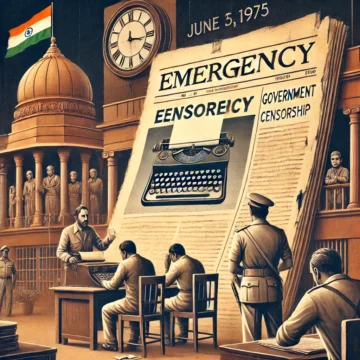
Reflecting on the 1975 Emergency in India, this blog explores severe press censorship, the expulsion of reporters, and the political and social turmoil of the era. Declared by Prime Minister Indira Gandhi, the Emergency led to widespread human rights violations and is now remembered as Samvidhan Murder Day, highlighting the ongoing need to protect democratic values.
Indian Freedom Struggle and Formation of Ghadar Party
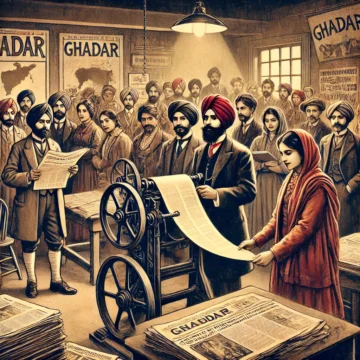
Explore the Ghadar Party's foundational role in the Indian freedom struggle, established in 1913 by expatriates in San Francisco. This post delves into their radical approach to overthrow British rule, influenced by the discriminatory experiences faced by Indian immigrants in North America and their fierce desire to liberate their homeland.
India’s Freedom Struggle and The Vellore Mutiny of 1806
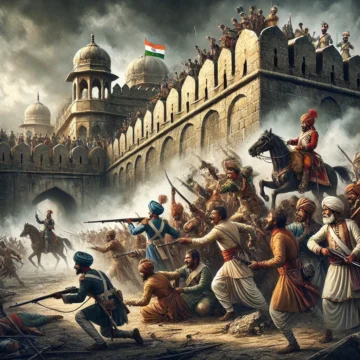
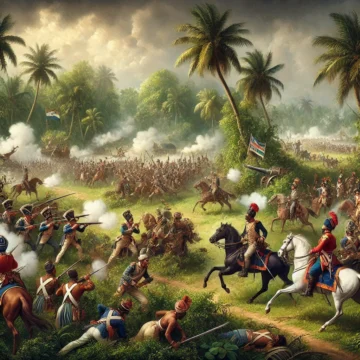
Exploring a pivotal chapter in India's freedom struggle, the Vellore Mutiny of 1806 served as a crucial precursor to the 1857 uprising. This lesser-known yet significant event highlighted the deep-seated cultural conflicts and the profound discontent brewing among Indian sepoys, setting the stage for future rebellions against British colonial rule.
Maharaja Ranjit Singh and The Battle of Attock
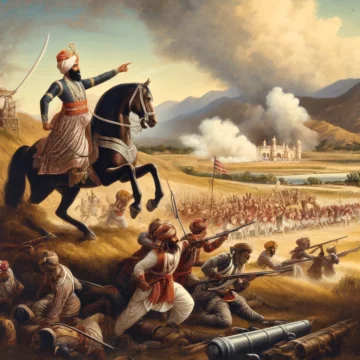
Under Maharaja Ranjit Singh's command, the Maratha Empire showcased formidable military strategies during the Battle of Attock, not only securing a decisive victory but also reshaping the geopolitical landscape of South Asia for generations to come.
Amarnath Yatra: Ethical Reflections on the 2017 Attack
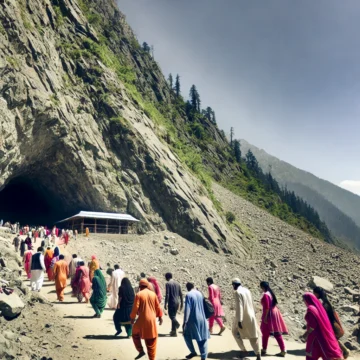
Explore the profound implications of the 2017 Amarnath Yatra attack, where pilgrims on a sacred journey were targeted by terrorists. This feature delves into the ethical, social, and geopolitical layers of the incident, highlighting the ongoing efforts to bolster pilgrimage security and engage in effective counter-terrorism measures.
Subhash Chandra Bose: Contrasting Strategies with Gandhi
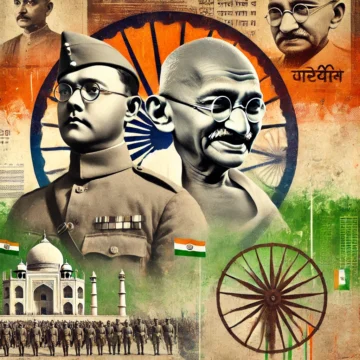
Explore the profound contrasts between Subhash Chandra Bose's militant tactics and Mahatma Gandhi's non-violent strategies in the fight for Indian independence. This blog delves into how their ideological differences influenced the movement's trajectory, offering insights into their leadership roles and the lasting impact of their divergent approaches on India's path to freedom.
Importance of the Day 27th Week In History
Welcome to HinduInfoPedia.org's exploration of historical events during the 27th week of 2024, emphasizing the "Importance of the Day 27th Week." This series delves into pivotal moments that have shaped Indian history and had profound global repercussions. Join us to examine significant occurrences and understand how they continue to influence our present and future.
Maratha Empire and its legacy: Analyzing Balaji Bajirao’s Reign
Explore the transformative reign of Balaji Bajirao, the visionary Peshwa who expanded the Maratha Empire's boundaries and influence. Discover how his strategic military campaigns, diplomatic acumen, and administrative reforms not only fortified but also enriched the Maratha Empire, leaving a legacy that profoundly shaped the political landscape of the Indian subcontinent.
India Independence Day Decided Seven Seas Away
Each August 15th, India bursts into celebrations for India Independence Day, marking its liberation from British rule. This blog delves into the Indian Independence Act of 1947, exploring the political strategies and pivotal decisions that sculpted this momentous day, unveiling the layers of struggle and triumph that defined the era.
Maharaja Ranjit Singh: Battle of Shopian and Its Implications
Maharaja Ranjit Singh, known as the Lion of Punjab, significantly shaped Indian history through his military, diplomatic, and administrative prowess. The Battle of Shopian in 1819 was a pivotal moment, expanding the Sikh Empire and transforming Kashmir’s political landscape. His strategic vision and reforms fostered religious tolerance, economic development, and cultural integration, leaving a lasting legacy.
Personalities of the 27th Week: A Glimpse into the Lives
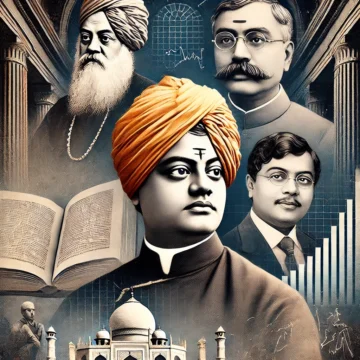
Join us at HinduInfoPedia.org as we explore 'Personalities of the 27th Week,' spotlighting visionaries from Swami Vivekananda to Rakesh Jhunjhunwala. Their philosophies and strategies shaped not just Indian heritage but also offer insights into enduring global influences. Reflect on how their legacies continue to inspire and shape our socio-political landscape.
Maratha Empire: The Legacy of Nanasaheb Peshwa
Reflect on Nanasaheb Peshwa's profound impact on the Maratha Empire. His strategic prowess extended Maratha influence, setting the stage for political shifts that catalyzed the rise of British dominance after his death in 1761.
Declaration of Emergency in 1975: 50 Years After the Dark Chapter
During the Declaration of Emergency in 1975, India faced unprecedented suppression of civil liberties, highlighting the fragility of democratic institutions. This blog delves deep into the events and decisions that reshaped India's political landscape, scrutinizing the root causes, immediate triggers, and profound aftermath of this dark chapter in Indian history.
Battle of Plassey: Pivotal Turning Point in Indian History
In the "Importance of the Day" series, we delve into the Battle of Plassey, a crucial event in 1757 that reshaped Indian history. The battle's strategic orchestration led to the British dominance in India, influenced by key defections like that of Mir Jafar.
Revolt 1857: Kanpur Seize and Satichaura Ghat Massacre
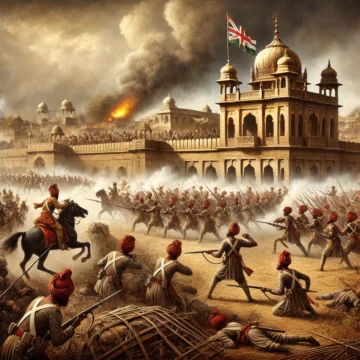
Welcome to HinduInfoPedia.org as we revisit the Siege and Massacre of Cawnpore during the 1857 Revolt. This week, we delve into these pivotal events that marked significant shifts in the First War of Indian Independence, deeply influencing anti-colonial sentiments and shaping the resistance against British rule. Join us as we explore the impact and legacy of these historical upheavals.
Importance of the Day: Significant Events of 26th Week 2024
Join us this Tuesday on HinduInfoPedia.org as we delve into the 'Importance of the Day,' exploring significant events in Indian history from the tragic Air India bombing to the Siege of Cawnpore. We uncover the enduring impact these events have had on India's socio-political landscape.
India China Border: Correlating Doklam Standoff And Dharma
This blog post explores the Doklam Standoff at the India-China border, a pivotal conflict that tested India's geopolitical strategies and ethical doctrines rooted in Dharma. The standoff, illustrating deep-rooted border disputes and China's 'salami-slicing' tactics, brings to light the vital lessons in maintaining territorial integrity and strategic diplomacy.