
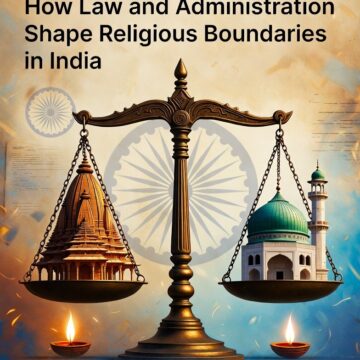
This blog examines India's legal and institutional Religious framework governing religious conversion, Waqf administration, Hindu religious endowments, religious exclusivity, and demographic trends. Using constitutional provisions, court judgments, statutory law, and demographic evidence, it compares institutional structures and legal principles while encouraging readers to distinguish documented facts from broader public narratives.
Tag: Supreme Court
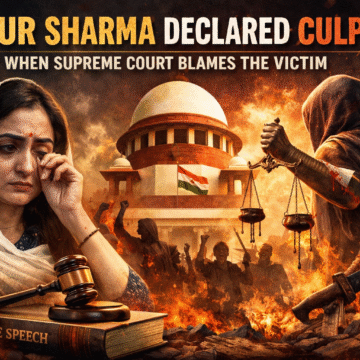
Nupur Sharma Declared Culprit: When Supreme Court Blames the Victim for Violence
The Nupur Sharma case exposes a deeper judicial crisis in India, where fear of violent reaction overrides constitutional principles. This analysis examines how Supreme Court observations during a procedural hearing inverted causality by blaming a speaker for violence committed by others, abandoning free-speech doctrine, reasoned adjudication, and dharmic concepts of justice.
Manish Sisodia: Analyzing grant of Bail in Delhi Excise Policy case
The potential granting of bail to Manish Sisodia in the Delhi Excise Policy case could set significant legal and political precedents. This blog explores the implications of the decision, critiques the judiciary's handling of high-profile cases, and discusses the broader challenges faced by the legal system in maintaining justice and public trust in politically charged environments.
Caste System and Supreme Court Judgment
Explore the Supreme Court of India's landmark judgment on reservation policies, aimed at addressing disparities within the system. This blog delves into the historical context, implications, and potential resistance, offering insights into how these changes might reshape India's socio-economic landscape and promote true social justice.