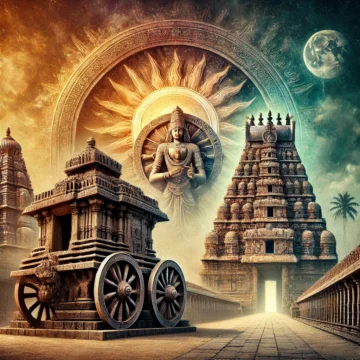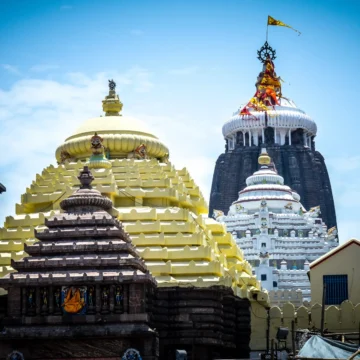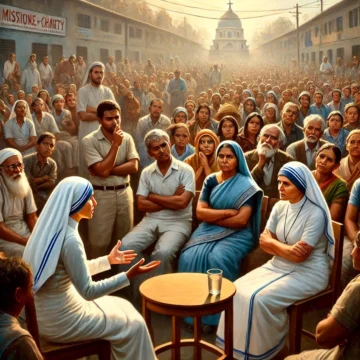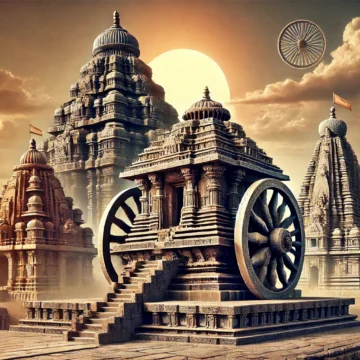

On July 31, 2023, Haryana became the epicenter of intense communal tensions, erupting into violent riots. This blog delves deep into the ethical quandaries and the role of dharma in navigating these societal conflicts, exploring the roots and repercussions of the unrest that shook the very fabric of local communities.
Author: Sarvananda (Sarvananda )
World War I Impact: The War for Supremacy
Explore the profound global impact of World War I Impact, a pivotal event that reshaped geopolitics and societies. This cataclysmic war redrew national boundaries, led to the collapse of empires, and spurred new ideologies, marking a significant transformation in international relations that continues to influence the modern world.
World War II Exposes The Dark Realities of Power
During World War II, the ruthless strategies of powerful nations led to immense civilian casualties. The Hamburg firestorm and the Warsaw Uprising epitomize the devastating impacts of war, highlighting the moral dilemmas faced when civilian lives become collateral in the quest for geopolitical dominance.
World War I and Devastation of Bharat II K
World War I left an indelible mark on Bharat, shaping its future struggle for independence. From the massive human and economic contributions to the psychological trauma endured by returning soldiers, the war accelerated nationalist movements and exposed the contradictions of British colonial rule. The aftermath of the war saw the rise of mass mobilizations and the eventual decolonization of Bharat.
World War I and Devastation of Bharat I K
World War I profoundly impacted Bharat, catalyzing a political awakening and fueling nationalist sentiment. The war's socio-economic strains exacerbated tensions, leading to widespread unrest and laying the groundwork for future resistance movements. Leaders like Mahatma Gandhi, initially supportive of the British war effort, shifted toward advocating for direct action against colonial rule, setting the stage for Bharat’s independence.
Casteism and Dravidian Politics
This blog explores how Dravidian parties like DMK and AIADMK have utilized caste dynamics for political gains in Tamil Nadu. We delve into the historical roots, policy impacts, and the dual role of empowering and dividing communities through caste-based strategies, examining both the positive outcomes and the deep-seated challenges that persist.
Hygiene at Kanwar Yatra Route and Related Controversies
Explore the challenges and initiatives for enhancing hygiene along the Kanwar Yatra route. This blog discusses the impact of displaying eatery owners' names, the influence of Islamic teachings on food safety, and strategies for improving transparency and community trust through culturally informed practices, amidst the backdrop of a revered Hindu pilgrimage.
Caste Systems and Definition of Brahmin Analyzed
To understand the evolution of Brahmin identity within Hindu Caste Systems, we explore key scriptures and historical shifts. Initially, the caste system emphasized qualities and professions over hereditary status. However, British colonial rule introduced rigid caste classifications, transforming fluid social categories into fixed ones. This blog examines the lasting impact of these changes and the contemporary relevance of Brahmin qualities.
Anjaneya Hanuman and Panchamukhi Anjaneya Temples
Explore the mystical and divine form of Anjaneya Hanuman, manifesting as Panchamukhi Anjaneya. This blog delves into the legendary powers of his five faces, each symbolizing unique spiritual attributes, and the sacred temples dedicated to his worship, revealing how they serve as sanctuaries of devotion and architectural marvels within the Hindu tradition.
Secularism within Islam: Interpreting Modern Meaning of Quranic Texts
In Secularism within Islam: Interpreting Modern Meaning of Quranic Texts, we explore Quranic teachings on governance and individual rights. This segment delves into how Islamic texts advocate for human dignity and ethical state conduct, reflecting secular commitments to justice and equality. By examining historical and contemporary scholarship, we illuminate the interplay between religious doctrines and secular policies.
Dharma and Ethics During Pandyan Dynasty
Explore the essence of Dharma and its impact through the ages, particularly within the illustrious Pandyan Empire. This blog delves into Dharma's role in shaping ethics, governance, and culture, providing a philosophical guide to modern dilemmas and showcasing how ancient wisdom continues to offer profound insights into personal and societal harmony.
Terrorism in India: Bangalore Serial Blasts 2008
Explore the chilling narrative of the 2008 Bangalore serial blasts—a grim reminder of terrorism's shadow over bustling cityscapes. From the meticulous orchestration of the attacks, through the swift response of emergency services, to the ongoing battles in courts and the scars left on society, this blog delves deep into the heart of urban resilience.
Jaipur: Power Transition in 1537
In the rich tapestry of Jaipur's history, the peaceful transition of power from Maharaja Bhim Singh to Ratan Singh in 1537 stands as a testament to the Kachwaha dynasty's strategic foresight. This significant event not only marked the end of Bhim Singh's reign but also heralded a new era under Ratan Singh's leadership, characterized by continuity in governance and cultural patronage. The detailed accounts of their reigns and the ceremonial traditions followed during the transfer offer a glimpse into the political and cultural dynamics of early 16th century Jaipur.
Shri Datta Guru and His Learnings From Akasha
Explore Akasha (Sky or Space) in our latest feature on HinduInfoPedia.org. Ascend beyond the tangible into boundless realms where the sky symbolizes profound spirituality. Learn from Lord Dattatreya's guru, Akasha, the art of presence and detachment, embodying vastness untouched by worldly changes. Ancient Slokas provide insights into living freely with minimal attachment, offering a blueprint for serene, enlightened living.
Atheism : Analyzing its Growing Across Developed Economies K
As atheism and secularism rise, the global religious landscape is undergoing profound changes. From Europe's steep decline in Christian affiliation to North America's growing non-religious 'nones,' these shifts are reshaping societal norms, challenging traditional moral codes, and influencing global politics and community dynamics.
Indian Education System Analyzed on Day of Establishment of Universities
This blog marks the 166th anniversary of India’s first universities—Mumbai, Madras, and Calcutta—exploring their roles in shaping modern Indian education. We critically examine the colonial impact and its dual legacy, revealing how British policies not only advanced but also eroded India's rich educational traditions, deeply influencing the cultural and societal fabric.
Durga Maa Avatars: A Journey Through the Four Avatars
Join us on a spiritual exploration through the nine avatars of Durga Maa, from Shailaputri to Siddhidatri. Delve into their divine powers, symbolism, and rituals, as we uncover how each avatar contributes uniquely to the tapestry of virtues and enlightenment within Hindu spirituality.
Secularism in Islam: Interpreting Quranic Texts in a Modern Context
Explore Secularism in Islam through our detailed analysis of Quranic texts. This two-part series on HinduInfoPedia.org delves into how Islamic teachings align with modern secular values, emphasizing justice, freedom, and participatory governance rooted in the profound wisdom of the Quran.
Riots in India Analyzed through Calcutta riots 1926
The Calcutta Riots of 1926 stand as a grim testament to the severe communal discord during the British Raj. Sparked on 15th July, these riots resulted in over a hundred deaths and countless injuries, deeply scarring the socio-political fabric of Calcutta. This blog delves into the historical context, key events, and long-lasting impacts of this dark chapter in India's history.
Emergency in India: Press Censorship Imposed
Reflecting on the 1975 Emergency in India, this blog explores severe press censorship, the expulsion of reporters, and the political and social turmoil of the era. Declared by Prime Minister Indira Gandhi, the Emergency led to widespread human rights violations and is now remembered as Samvidhan Murder Day, highlighting the ongoing need to protect democratic values.