
Tag: British Raj

Home » British Raj
British Raj, colonial economy, economic drain, India wealth, exploitation, East India Company, historical illustration, colonialism, Indian history, HinduinfoPedia, Economy in British Raj
Post

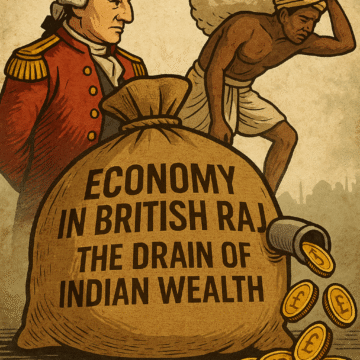
Economy in British Raj: The Systematic Drain of Indian Wealth

From 1765 onward, the Economy in British Raj was engineered for extraction. Through revenue systems, trade monopolies, and financial manipulation, Britain drained India’s wealth to fund its industrial rise. This blog unpacks how taxation, deindustrialization, and currency control turned a flourishing civilization into a colony that paid for its own subjugation — the greatest economic heist in history.
East India Company, Divide and Rule, British Raj, Colonial India, Indian History, Partition, Bharat, Colonial Strategy, British Empire, HinduinfoPedia
Post

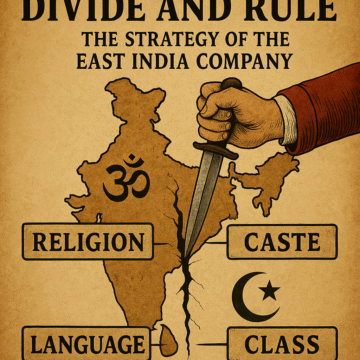
Divide and Rule by East India Company

The British didn’t conquer India by force alone—they conquered it through division. Divide and Rule by East India Company reveals how religion, caste, region, and class were systematically weaponized to keep Bharat fragmented. From Plassey to Partition, it exposes how a civilizational mosaic was turned into a map of conflict and dependency.

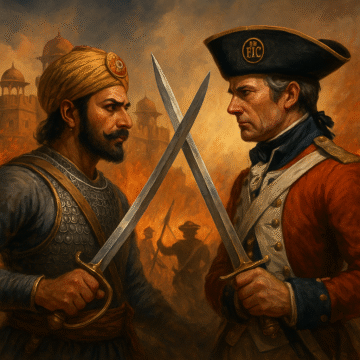
East India Company, Maratha Empire, Colonial India, Shivaji Maharaj, British Raj, Mughal decline, historical art, Indian history, 18th century, Hindu resistance, East India Company Vs Maratha
Post

East India Company vs Maratha Empire

The clash between the East India Company vs Maratha Empire was not just a battle of arms but of minds. The Marathas embodied Hindu resurgence and resistance, while the British turned trade into conquest through strategic manipulation. This blog explores how valor met calculation, and how disunity turned sovereignty into subjugation.

East India Company, British colonialism, India history, trading ships, Bengal, sepoys, British Empire, historical transformation, colonial power, spice trade, symbolic art, Mughal decline, Company rule, British officers, Indian port
Post

East India Company: From Traders to Rulers – The Complete Transformation

The East India Company’s journey from a spice-trading venture to the ruler of India is one of history’s most dramatic transformations. Backed by a royal charter in 1600, it built trading posts, commanded armies, and exploited India’s political cracks. Through Plassey and Buxar, it secured dominance, accelerating the decline of Sanatana culture and Bharat’s sovereignty.

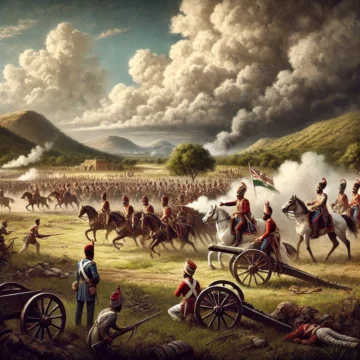
Third Anglo-Maratha War, British soldiers, Maratha cavalry, Pune battlefield, historical battle, military uniforms, 19th-century warfare, British artillery, Maratha warriors, intense combat, Maratha Empire Decline
Post

Maratha Empire Decline: Consequences of the Third Anglo-Maratha War

Discover the strategic and cultural ramifications of the Third Anglo-Maratha War as it marked the decline of the Maratha Empire and the rise of British hegemony. The war's conclusion reshaped India’s political landscape, altering military strategies, cultural identities, and social structures, paving the way for the establishment of British rule.

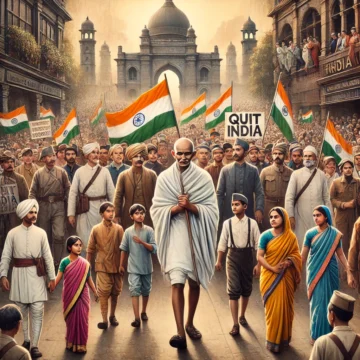
Quit India Movement, Mahatma Gandhi, Indian freedom struggle, colonial India, historical protest, 20th-century attire, peaceful march, Indian protesters, British colonial symbols, historical artwork, India's freedom struggle
Post

India’s Freedom Struggle and Quit India Movement-I

This blog explores India's Freedom Struggle, emphasizing Gandhi's controversial leadership in movements like Non-Cooperation and Quit India. Despite widespread admiration, his strategies, marked by abrupt decisions and strategic recalibrations, played complex roles in shaping India's quest for independence, raising questions about the overall impact of his 33-year-long leadership.

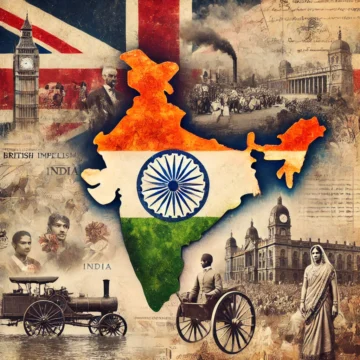
British colonial period, vintage map of India, Union Jack, Ashoka Chakra, Partition of India, Bengal Famine, historical collage, British imperialism, Indian culture, colonial legacy
Post

British Rule in India: A Blessing or a Curse?

Exploring the dual impacts of British rule in India, this blog navigates through the economic, social, and political changes from 1757 to 1947, culminating in a detailed discussion of the Partition's enduring consequences on India's fabric.

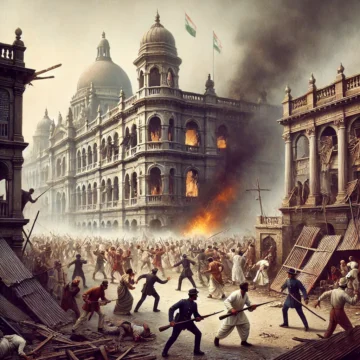
Calcutta Riots, 1926 Riots, colonial Calcutta, communal conflict, British Raj, street violence, historical event, mob clash, colonial police, urban chaos
Post

Riots in India Analyzed through Calcutta riots 1926

The Calcutta Riots of 1926 stand as a grim testament to the severe communal discord during the British Raj. Sparked on 15th July, these riots resulted in over a hundred deaths and countless injuries, deeply scarring the socio-political fabric of Calcutta. This blog delves into the historical context, key events, and long-lasting impacts of this dark chapter in India's history.

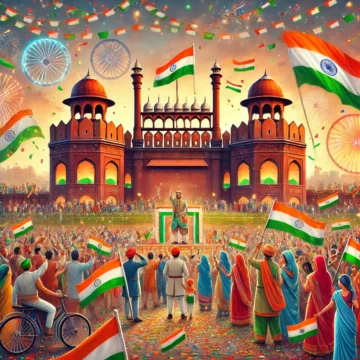
India Independence Day, Red Fort, Delhi, celebration, national pride, Indian tricolor, historic monument, crowd, flags, joyous occasion
Post

India Independence Day Decided Seven Seas Away

Each August 15th, India bursts into celebrations for India Independence Day, marking its liberation from British rule. This blog delves into the Indian Independence Act of 1947, exploring the political strategies and pivotal decisions that sculpted this momentous day, unveiling the layers of struggle and triumph that defined the era.