
Tag: HinduinfoPedia

Home » HinduinfoPedia » Page 3
Indian historiography, Nehru narrative, Islamic invasions, historical revisionism, euphemistic language, civilizational memory, Hindu civilization, conquest and synthesis, colonial mindset, ideological history writing
Post

Nehru Glorifying Islamic Invaders: The ‘Vigorous and Virile’ Narrative

This blog critically examines how Jawaharlal Nehru glorified Islamic invaders through deliberate vocabulary choices that reframed conquest as contribution. By contrasting his admiring language for invaders with his denigrating portrayal of Hindu civilization, the analysis exposes a systematic double standard that shaped Indian historiography, minimized historical trauma, and normalized civilizational subjugation as progress.

judicial corruption, Indian judiciary, institutional failure, Lady Justice, rule of law, judicial accountability, Supreme Court India, legal crisis, corruption symbolism, justice system, constitutional failure, dharma versus law, court ethics, judicial reform, HinduinfoPedia, Institutional Corruption in Indian Judiciary
Post

Institutional Corruption in Indian Judiciary: When Bar Council Admits

This blog examines Institutional Corruption in the Indian Judiciary through insider admissions by senior Bar Council leaders, exposing how judicial self-protection, selective application of law, and in-house inquiries have hollowed accountability. Using constitutional analysis and ancient dharmic principles, it reveals how systemic corruption undermines equality, justice, and public faith in India’s courts.

Partition of India,1947 Partition, Indian subcontinent history, demographic change, India Pakistan split, communal violence, forced migration, civilizational conflict, South Asian history, HinduinfoPedia
Post

Partition Demographic Catastrophe: Yogi Adityanath’s Statistical Proof (1800-1947)

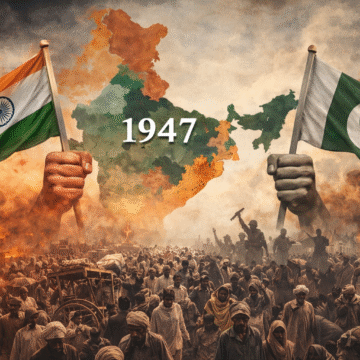
This blog examines the Partition Demographic Catastrophe through historical data, regional case studies, and post-1947 demographic outcomes. From Moplah violence and Kashmir’s transformation to Pakistan’s minority collapse and India’s contrasting pluralism, it evaluates Yogi Adityanath’s safety question using population statistics, legal frameworks, and long-term civilizational patterns.

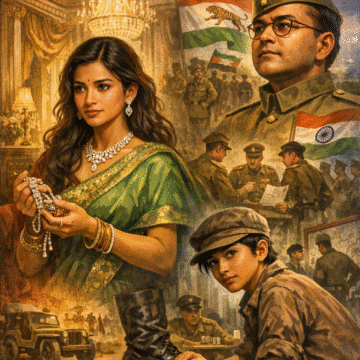
Saraswati Rajamani, Azad Hind Fauj, female freedom fighters, Indian independence movement, Netaji Subhas Chandra Bose, women spies, anti colonial resistance, World War II India, Rangoon 1940s, unsung heroes, Spy Saraswati Rajamani
Post

Spy Saraswati Rajamani: Azad Hind Fauj Female Spies-II

Spy Saraswati Rajamani: Azad Hind Fauj Female Spies-II Netaji’s Spy Saraswati Rajamani We present the second installment on the little-known spy Saraswati Rajamani, who devoted her youth to the cause of India’s freedom. Every spy knows the mathematics of their profession: eventually, you get caught. The only questions are whether you can escape, and whether you’ll...

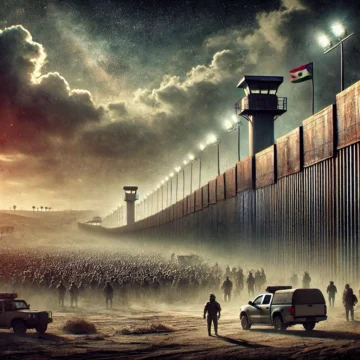
Gaza war, geopolitics, border wall, Middle East conflict, refugee crisis, political analysis, displacement, national security, historical consequences, international relations, power and borders, global politics, ट्रम्प के ग़ाज़ा प्रस्ताव
Post

ट्रम्प के ग़ाज़ा प्रस्ताव: वह वर्ष जब 57 मुस्लिम राष्ट्र पहले से जानते थे

यह लेख 2025 के ट्रम्प के ग़ाज़ा प्रस्तावों के माध्यम से उस ऐतिहासिक सत्य को उजागर करता है जिसे अरब राष्ट्र दशकों से जानते थे। फ़िलिस्तीनी शरणार्थियों का प्रश्न केवल मानवीय नहीं, बल्कि संगठनात्मक और अस्तित्वगत है। मिस्र, जॉर्डन, लेबनान और कुवैत के अनुभव दिखाते हैं कि स्थायी पुनर्वास नहीं, बल्कि स्थायी शरणार्थी स्थिति ही रणनीति का केंद्र है।

Saraswati Rajamani, Azad Hind Fauj, female freedom fighters, Indian independence movement, Netaji Subhas Chandra Bose, women spies, anti colonial resistance, World War II India, Rangoon 1940s, unsung heroes, Spy Saraswati Rajamani
Post

Saraswati Rajamani: Azad Hind Fauj Female Spies

Saraswati Rajamani: Azad Hind Fauj Female Spies Saraswati Rajamani The Philanthropist Teen On the birth anniversary of one of India’s rare war heroines, Saraswati Rajamani, observed on the eleventh of January, we present a brief tale of her life. Year 1942. Rangoon, present-day Myanmar. In one of the wealthiest neighborhoods, stood a teenage girl, at...

Islamic authority, religious power, history and doctrine, civilizational conflict, medieval conquest, modern conflict, demographic change, ideological enforcement, historical continuity
Post

इस्लामी अधिकार विरोधाभास इतिहास: चौदह सौ वर्षों की धार्मिक परंपराओं का प्रमाण

यह लेख चौदह सौ वर्षों के इतिहास के माध्यम से इस्लामी अधिकार विरोधाभास की पड़ताल करता है। रिद्दा युद्धों से लेकर मध्यकालीन भारत, विभाजन, बांग्लादेश, यूरोप और समकालीन जनसांख्यिकीय संघर्षों तक, यह दिखाया गया है कि सत्ता प्राप्त होने पर एक ही अधिकार संरचना बार-बार समान परिणाम उत्पन्न करती है। यह ग्रंथों की व्याख्या नहीं, बल्कि प्रलेखित ऐतिहासिक आचरण का विश्लेषण है।

Patanjali Yoga Sutras, yogic intensity, samvega, samadhi, meditation, Indian philosophy, spiritual progress, sacred geometry, Vedic wisdom, consciousness studies, yoga practice, enlightenment, ancient Hindu science
Post

Yoga Practice and Yogic Intensity: Spiritual Progress Monitor (Yoga Sutras 1.21-1.22)

Patanjali’s Yoga Sutras 1.21–1.22 present a precise framework for measuring spiritual progress through nine gradations of yogic intensity. By examining the interplay of inner urgency (संवेग) and method (उपाय), this analysis explains why practitioners advance at different speeds, integrates classical commentary, and situates the system within modern psychological and cultural realities.

Agni, Rigveda, Vedic philosophy, inner fire, sacred defense, dharma, ritual symbolism, Hindu civilization, cosmic order, spiritual warfare, Vedic imagery, inner discipline, sacred fire
Post

The Rigvedic War-Host: Agni as Inner Commander and Destroyer RV 1.74-1.77

This blog examines how the Rigveda presents Agni as a complete war-host rather than a passive ritual fire. Through selected hymns, it shows Agni as battle-born, internally present as kin, an active destroyer of hostile forces, and a commander of thought and speech, establishing a coherent Vedic doctrine of protection and order.

Indo Kids, Nepo Kids, dynastic politics, narrative shaping, elite dissent, political succession, manufactured rebellion, media amplification, South Asian politics, populist performance, generational politics, regime narratives
Post

इंडो किड्स कथा-निर्माण: नेपो विद्रोह का अनुकरण

यह ब्लॉग नेपाल के वंश-विरोधी जन-आक्रोश और भारत में उभरे “इंडो किड्स कथा-निर्माण” के अंतर को स्पष्ट करता है। जहाँ नेपाल में जनता ने राजनीतिक वंशों को चुनौती दी, वहीं भारत में अभिजात राजनीतिक संताने स्वयं को जन-असंतोष का नेतृत्वकर्ता दिखाने लगीं। यह विश्लेषण सत्ता, मीडिया और कथानक के गठजोड़ को उजागर करता है।

character formation, education contrast, discipline and routine, traditional training, modern schooling crisis, leadership development, cultural continuity, human development, authority and learning, social resilience
Post

Building Without Master Craftsman: Compare with RSS Assembly

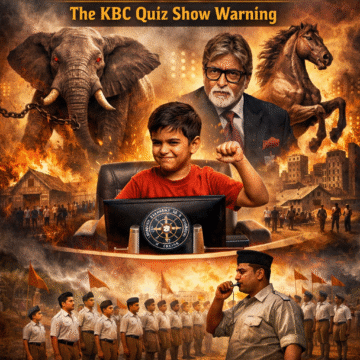
Modern education processes children but fails to form humans. This blog contrasts institutional schooling with the RSS shakha system, showing how authority, discipline, repetition, and structured pressure create resilient character. While schools abandon formative authority, shakhas preserve the master craftsman model that produces stability, responsibility, and civilizational continuity.

Ukraine proxy war, geopolitical conflict, economic warfare, sanctions, de-dollarization, military escalation, NATO, Russia Ukraine conflict, global power shift, proxy warfare, international politics, war economy
Post

यूक्रेन प्रतिनिधि युद्ध 2014: अमेरिका का अस्त्र और उसका ही घाव

यूक्रेन प्रतिनिधि युद्ध 2014 यह दर्शाता है कि अमेरिका की अस्थिरता नीति किस प्रकार स्वयं उसके विरुद्ध पलट गई। आर्थिक प्रतिबंध, डॉलर का अस्त्रीकरण, नाटो विभाजन और यूरोपीय औद्योगिक क्षरण ने रूस को नहीं, बल्कि पश्चिमी व्यवस्था को कमज़ोर किया। यह लेख प्रतिनिधि युद्ध की संरचनात्मक विफलता और उभरती बहुध्रुवीय विश्व व्यवस्था का विश्लेषण करता है।

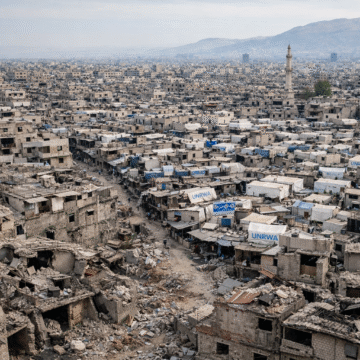
Syria refugee camps, Palestinian refugees, UNRWA camps, permanent refugee settlements, Middle East geopolitics, statelessness, refugee containment, demographic conflict, humanitarian aid systems, security architecture, सीरिया की फिलिस्तीन शरणार्थी प्रयोगशाला
Post

सीरिया की फिलिस्तीन शरणार्थी प्रयोगशाला: मॉडल जिसे अरब राज्यों ने अपनाया

यह लेख सीरिया की फिलिस्तीन शरणार्थी प्रयोगशाला का विश्लेषण करता है, जहाँ फ़िलिस्तीनी लोगों को नागरिकता दिए बिना पीढ़ियों तक नियंत्रित शिविरों में रखा गया। इसमें दिखाया गया है कि सुरक्षा ढाँचे, वंशानुगत शरणार्थी स्थिति और अंतरराष्ट्रीय सहायता ने संकट को सुलझाने के बजाय स्थायी बनाया, और यह मॉडल अन्य राज्यों द्वारा कैसे देखा और अपनाया गया।

history, ideology, institutions, law, doctrine, civilization, social change, historiography, governance, long-term analysis, political theory, cultural studies, इस्लामी सिद्धांतों का ऐतिहासिक क्रम
Post

इस्लामी सिद्धांतों का ऐतिहासिक क्रम: रिद्दा युद्धों से लव जिहाद तक

यह ब्लॉग इस्लामी सिद्धांतों के 1400 वर्षों के ऐतिहासिक व्यवहार का विश्लेषण करता है—रिद्दा युद्धों से लेकर लव जिहाद तक। यह दर्शाता है कि सिद्धांत, सत्ता और जनसंख्या रणनीतियाँ कैसे हिंदू सभ्यता को लक्ष्य बनाती रही हैं, और क्यों पवित्र सीमाओं का संरक्षण ऐतिहासिक रूप से अस्तित्व का प्रश्न रहा है।

France government collapse, French politics, political instability, European geopolitics, institutional crisis, foreign influence, democratic vulnerability, hybrid warfare, parliamentary crisis, France 2025, investigative analysis, geopolitical pressure, फ्रांस सरकार का पतन
Post

फ्रांस सरकार का पतन: राजनीतिक अस्थिरता का प्रभाव

फ्रांस सरकार का विघटन केवल आंतरिक राजनीतिक असफलता नहीं था, बल्कि एक रणनीतिक दुर्बलता-काल था। 2024–2025 के दौरान बार-बार सरकार गिरने से संगठित जनसांख्यिकीय और वैचारिक दबाव सक्रिय हुए, जिनके परिणामस्वरूप फिलिस्तीन मान्यता 2025 जैसे निर्णय संभव हुए। यह लेख लोकतांत्रिक प्रक्रियाओं के भीतर छिपे दबाव-तंत्र को उजागर करता है।

historiography, narrative framing, historical reinterpretation, memory and erasure, medieval India, conquest and language, selective history, civilizational turning point, academic symbolism, historical method
Post

How Nehru Portrayed Muhammad Ghori: Darkest Defeat Became ‘Historical Progress’-II

This article examines How Nehru Portrayed Muhammad Ghori by analyzing the narrative techniques used to transform India’s most consequential military defeat into “historical progress.” By tracing linguistic minimization, symbolic erasure, and euphemistic framing, it explains how the civilizational rupture at Tarain was rendered historically weightless, shaping generations of misunderstanding about conquest, sovereignty, and long-term consequences.

Hindu Haq, Hindu rights, discrimination, theology, religious inequality, India, constitutional rights, identity politics, civilizational debate, social justice)
Post

Hindu Haq Is Denied: The Theological Foundation That Normalizes Discrimination

Hindu Haq Is Denied examines why Hindu civilizational rights face systematic resistance, tracing the roots not to politics or economics but to theology. Using The Haq movie as a narrative lens, the blog exposes how Islamic doctrinal classifications of Hindus as kafir and mushrikūn shaped historical subjugation, institutional asymmetry, and modern legal and cultural denial of Hindu dignity.

medieval India, historical turning point, civilizational decline, lost sovereignty, conquest and aftermath, symbolic history, fallen kingdom, empire transition, historical memory, power and defeat
Post

Nehru’s Portrayal of Muhammad Ghori: Darkest Defeat Became ‘Historical Progress’-I

The defeat of Prithviraj Chauhan at the Second Battle of Tarain in 1192 marked the most decisive rupture in Indian history, opening North India to centuries of Islamic rule. This article examines how Nehru’s portrayal of Muhammad Ghori reframed permanent conquest as civilizational transition, severing causation from consequence and erasing historical trauma.

Supreme Court, judiciary, judicial power, luxury and privilege, expensive shoes symbolism, authority above law, moral contrast, judicial ethics, constitutional values, investigative journalism, rule of law, power and accountability
Post

Buddhist Reservation Paradox: Why Buddhists Get SC Benefits

This article examines the Buddhist Reservation Paradox—how Buddhists retain Scheduled Caste benefits while explicitly rejecting the Hindu framework that created those protections. By tracing constitutional amendments, Ambedkarite ideology, judicial patterns, and ethical principles of Dharma, it argues that reservation has become a right detached from responsibility, raising serious questions of equity, gratitude, and constitutional consistency.

Political Islam, Sanatan Dharma, Mughal era, Indian history, civilizational conflict, temple architecture, imperial governance, historical analysis, religious pluralism, medieval India, ideology and power, cultural heritage
Post

Political Islam vs Sanatan Dharma: Yogi Adityanath’s Lessons from Mughals

This analysis examines Political Islam versus Sanatan Dharma through Mughal-era governance (1526–1800), testing claims of tolerance against historical evidence. By comparing Mughal rule over Hindu majorities with Hindu kingdoms governing Muslim minorities, the study reveals a persistent safety asymmetry rooted in doctrinal systems rather than individual rulers.