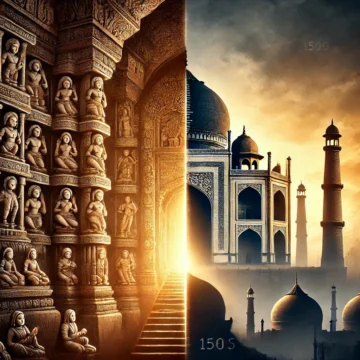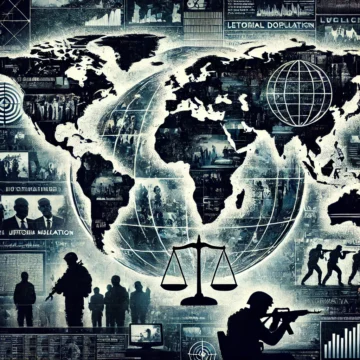

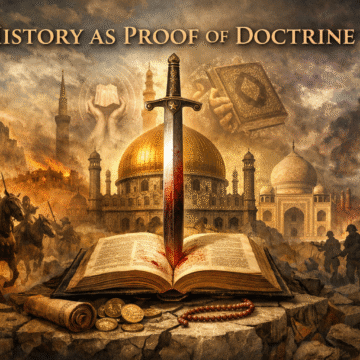
यह लेख चौदह सौ वर्षों के इतिहास के माध्यम से इस्लामी अधिकार विरोधाभास की पड़ताल करता है। रिद्दा युद्धों से लेकर मध्यकालीन भारत, विभाजन, बांग्लादेश, यूरोप और समकालीन जनसांख्यिकीय संघर्षों तक, यह दिखाया गया है कि सत्ता प्राप्त होने पर एक ही अधिकार संरचना बार-बार समान परिणाम उत्पन्न करती है। यह ग्रंथों की व्याख्या नहीं, बल्कि प्रलेखित ऐतिहासिक आचरण का विश्लेषण है।
Tag: HinduinfoPedia
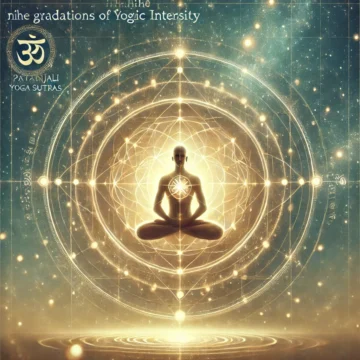
Yoga Practice and Yogic Intensity: Spiritual Progress Monitor (Yoga Sutras 1.21-1.22)
Patanjali’s Yoga Sutras 1.21–1.22 present a precise framework for measuring spiritual progress through nine gradations of yogic intensity. By examining the interplay of inner urgency (संवेग) and method (उपाय), this analysis explains why practitioners advance at different speeds, integrates classical commentary, and situates the system within modern psychological and cultural realities.
The Rigvedic War-Host: Agni as Inner Commander and Destroyer RV 1.74-1.77
This blog examines how the Rigveda presents Agni as a complete war-host rather than a passive ritual fire. Through selected hymns, it shows Agni as battle-born, internally present as kin, an active destroyer of hostile forces, and a commander of thought and speech, establishing a coherent Vedic doctrine of protection and order.
इंडो किड्स कथा-निर्माण: नेपो विद्रोह का अनुकरण
यह ब्लॉग नेपाल के वंश-विरोधी जन-आक्रोश और भारत में उभरे “इंडो किड्स कथा-निर्माण” के अंतर को स्पष्ट करता है। जहाँ नेपाल में जनता ने राजनीतिक वंशों को चुनौती दी, वहीं भारत में अभिजात राजनीतिक संताने स्वयं को जन-असंतोष का नेतृत्वकर्ता दिखाने लगीं। यह विश्लेषण सत्ता, मीडिया और कथानक के गठजोड़ को उजागर करता है।
Building Without Master Craftsman: Compare with RSS Assembly
Modern education processes children but fails to form humans. This blog contrasts institutional schooling with the RSS shakha system, showing how authority, discipline, repetition, and structured pressure create resilient character. While schools abandon formative authority, shakhas preserve the master craftsman model that produces stability, responsibility, and civilizational continuity.
यूक्रेन प्रतिनिधि युद्ध 2014: अमेरिका का अस्त्र और उसका ही घाव
यूक्रेन प्रतिनिधि युद्ध 2014 यह दर्शाता है कि अमेरिका की अस्थिरता नीति किस प्रकार स्वयं उसके विरुद्ध पलट गई। आर्थिक प्रतिबंध, डॉलर का अस्त्रीकरण, नाटो विभाजन और यूरोपीय औद्योगिक क्षरण ने रूस को नहीं, बल्कि पश्चिमी व्यवस्था को कमज़ोर किया। यह लेख प्रतिनिधि युद्ध की संरचनात्मक विफलता और उभरती बहुध्रुवीय विश्व व्यवस्था का विश्लेषण करता है।
सीरिया की फिलिस्तीन शरणार्थी प्रयोगशाला: मॉडल जिसे अरब राज्यों ने अपनाया
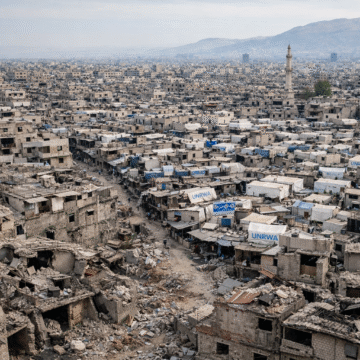
यह लेख सीरिया की फिलिस्तीन शरणार्थी प्रयोगशाला का विश्लेषण करता है, जहाँ फ़िलिस्तीनी लोगों को नागरिकता दिए बिना पीढ़ियों तक नियंत्रित शिविरों में रखा गया। इसमें दिखाया गया है कि सुरक्षा ढाँचे, वंशानुगत शरणार्थी स्थिति और अंतरराष्ट्रीय सहायता ने संकट को सुलझाने के बजाय स्थायी बनाया, और यह मॉडल अन्य राज्यों द्वारा कैसे देखा और अपनाया गया।
इस्लामी सिद्धांतों का ऐतिहासिक क्रम: रिद्दा युद्धों से लव जिहाद तक
यह ब्लॉग इस्लामी सिद्धांतों के 1400 वर्षों के ऐतिहासिक व्यवहार का विश्लेषण करता है—रिद्दा युद्धों से लेकर लव जिहाद तक। यह दर्शाता है कि सिद्धांत, सत्ता और जनसंख्या रणनीतियाँ कैसे हिंदू सभ्यता को लक्ष्य बनाती रही हैं, और क्यों पवित्र सीमाओं का संरक्षण ऐतिहासिक रूप से अस्तित्व का प्रश्न रहा है।
फ्रांस सरकार का पतन: राजनीतिक अस्थिरता का प्रभाव
फ्रांस सरकार का विघटन केवल आंतरिक राजनीतिक असफलता नहीं था, बल्कि एक रणनीतिक दुर्बलता-काल था। 2024–2025 के दौरान बार-बार सरकार गिरने से संगठित जनसांख्यिकीय और वैचारिक दबाव सक्रिय हुए, जिनके परिणामस्वरूप फिलिस्तीन मान्यता 2025 जैसे निर्णय संभव हुए। यह लेख लोकतांत्रिक प्रक्रियाओं के भीतर छिपे दबाव-तंत्र को उजागर करता है।
How Nehru Portrayed Muhammad Ghori: Darkest Defeat Became ‘Historical Progress’-II
This article examines How Nehru Portrayed Muhammad Ghori by analyzing the narrative techniques used to transform India’s most consequential military defeat into “historical progress.” By tracing linguistic minimization, symbolic erasure, and euphemistic framing, it explains how the civilizational rupture at Tarain was rendered historically weightless, shaping generations of misunderstanding about conquest, sovereignty, and long-term consequences.
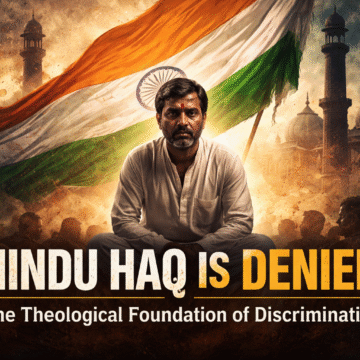
Hindu Haq Is Denied: The Theological Foundation That Normalizes Discrimination
Hindu Haq Is Denied examines why Hindu civilizational rights face systematic resistance, tracing the roots not to politics or economics but to theology. Using The Haq movie as a narrative lens, the blog exposes how Islamic doctrinal classifications of Hindus as kafir and mushrikūn shaped historical subjugation, institutional asymmetry, and modern legal and cultural denial of Hindu dignity.
Nehru’s Portrayal of Muhammad Ghori: Darkest Defeat Became ‘Historical Progress’-I
The defeat of Prithviraj Chauhan at the Second Battle of Tarain in 1192 marked the most decisive rupture in Indian history, opening North India to centuries of Islamic rule. This article examines how Nehru’s portrayal of Muhammad Ghori reframed permanent conquest as civilizational transition, severing causation from consequence and erasing historical trauma.
Buddhist Reservation Paradox: Why Buddhists Get SC Benefits
This article examines the Buddhist Reservation Paradox—how Buddhists retain Scheduled Caste benefits while explicitly rejecting the Hindu framework that created those protections. By tracing constitutional amendments, Ambedkarite ideology, judicial patterns, and ethical principles of Dharma, it argues that reservation has become a right detached from responsibility, raising serious questions of equity, gratitude, and constitutional consistency.
Political Islam vs Sanatan Dharma: Yogi Adityanath’s Lessons from Mughals
This analysis examines Political Islam versus Sanatan Dharma through Mughal-era governance (1526–1800), testing claims of tolerance against historical evidence. By comparing Mughal rule over Hindu majorities with Hindu kingdoms governing Muslim minorities, the study reveals a persistent safety asymmetry rooted in doctrinal systems rather than individual rulers.
Five-Stage Path to Samadhi for Ordinary Yogis: Sutra 1.20
Yoga Sutra 1.20 reveals Patanjali’s universal path to samadhi for ordinary practitioners through five sequential stages—śraddhā, vīrya, smṛti, samādhi, and prajñā. Rather than inherited privilege, liberation unfolds through disciplined removal of inner obstructions, allowing dormant yogic samskāras to awaken naturally and culminate in objectless absorption.
नरसंहार का उलटफेर: कैसे हमास ने नागरिक मौत को हथियार बनाया –I
यह लेख बताता है कि कैसे “नरसंहार” का आरोप एक प्रचार हथियार बन चुका है, जहाँ नागरिकों की रक्षा करने वालों को अपराधी और जानबूझकर नागरिक मौतें कराने वालों को पीड़ित बताया जाता है। संयुक्त राष्ट्र, मीडिया और अंतरराष्ट्रीय क़ानून के माध्यम से यह नैरेटिव कैसे वैश्विक स्तर पर स्थापित किया गया, इसका तथ्यात्मक विश्लेषण प्रस्तुत है।
KBC Exposing Authority Collapse in Human Manufacturing
A single moment on KBC revealed a deeper civilizational failure: the collapse of authority in modern human formation. This article examines how dismantling hierarchy, discipline, and correction—under the guise of equality and rights—has distorted human manufacturing. Drawing from Hindu philosophy, it argues that structured authority is essential for upright, responsible individuals and social stability.
इस्लामी सत्ता का विरोधाभास
यह लेख धार्मिक ग्रंथों में निहित उस संरचना का विश्लेषण करता है जहाँ दूत की आज्ञा को ईश्वर की आज्ञा के समकक्ष रखा गया है। पाठीय उदाहरणों के माध्यम से यह दिखाया गया है कि यह व्यवस्था व्यवहार में कैसे दंड, कानून और आधुनिक प्रवर्तन प्रणालियों को प्रभावित करती है, जिससे “इस्लामी सत्ता का विरोधाभास” उत्पन्न होता है।
गाज़ा की बर्लिन दीवार: जब हमास का पतन होता है तब क्या घटित होता है
यह लेख “गाज़ा की बर्लिन दीवार” को केवल एक भौतिक अवरोध नहीं, बल्कि आंतरिक संगठनात्मक और मानसिक नियंत्रण प्रणालियों के विरुद्ध प्रतिक्रिया के रूप में प्रस्तुत करता है। यह दर्शाता है कि मिस्र सहित सत्तावन मुस्लिम राष्ट्रों ने इतिहास से सीख लेकर शरणार्थियों और समानांतर सत्ता संरचनाओं के बीच स्पष्ट अंतर क्यों किया।
इस्लामी अधिकार विरोधाभास विश्लेषण – संरक्षण की असमानता से संरचना का अनावरण
यह लेख इस्लामी अधिकार विरोधाभास का विश्लेषण करता है, जहाँ व्यवहारिक दंड संरचनाएँ यह उजागर करती हैं कि पैग़ंबर मुहम्मद का संरक्षण ईश्वर की तुलना में अधिक कठोर और घातक है। क़ुरआनी आयतों, हदीसों और आधुनिक निंदा-विरोधी कानूनों के तुलनात्मक अध्ययन के माध्यम से यह ब्लॉग दिखाता है कि यह विरोधाभास वैचारिक नहीं, बल्कि विधिक और संरचनात्मक रूप से क्रियाशील है।